“Scroll down to the end of the article to listen to music.”

Introduction

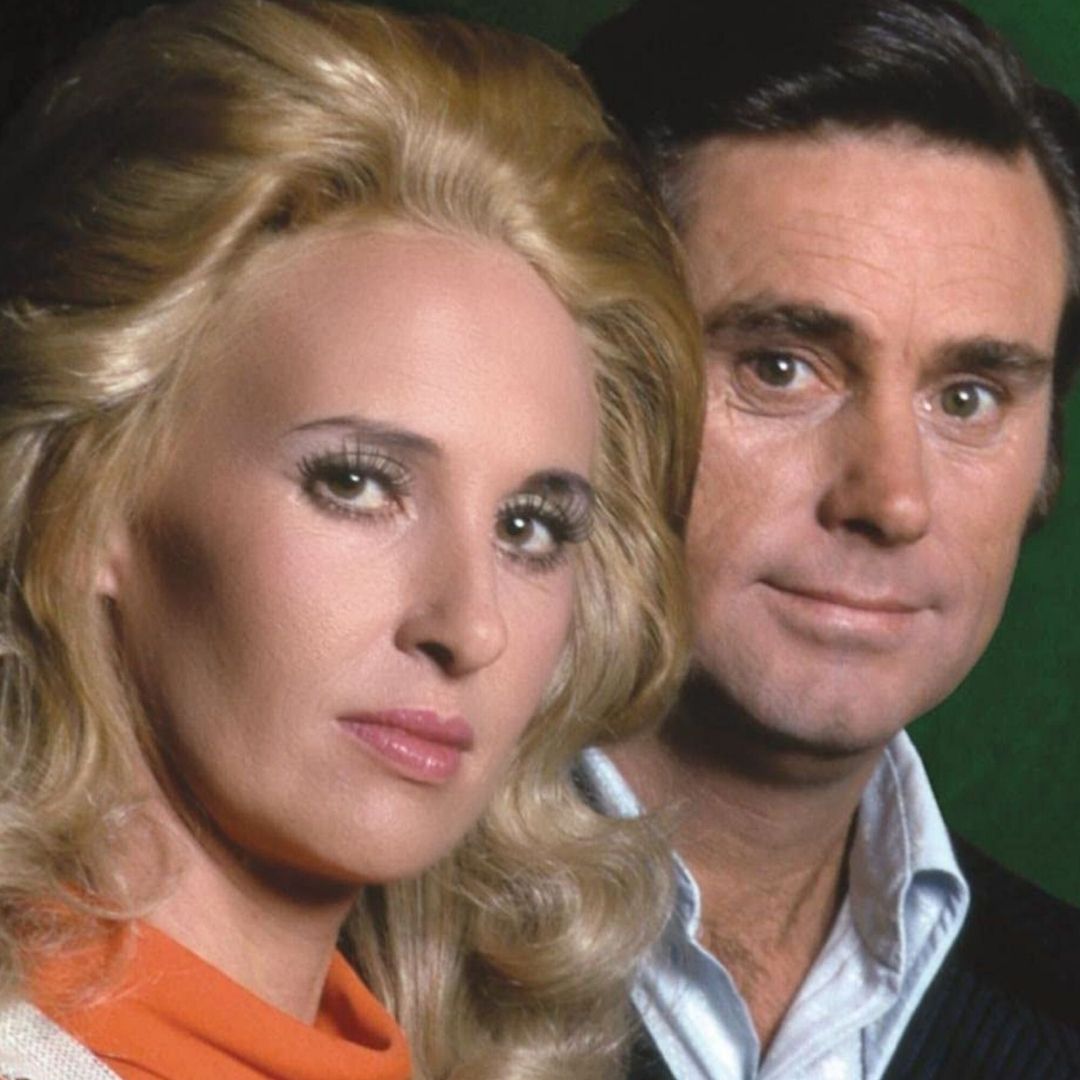
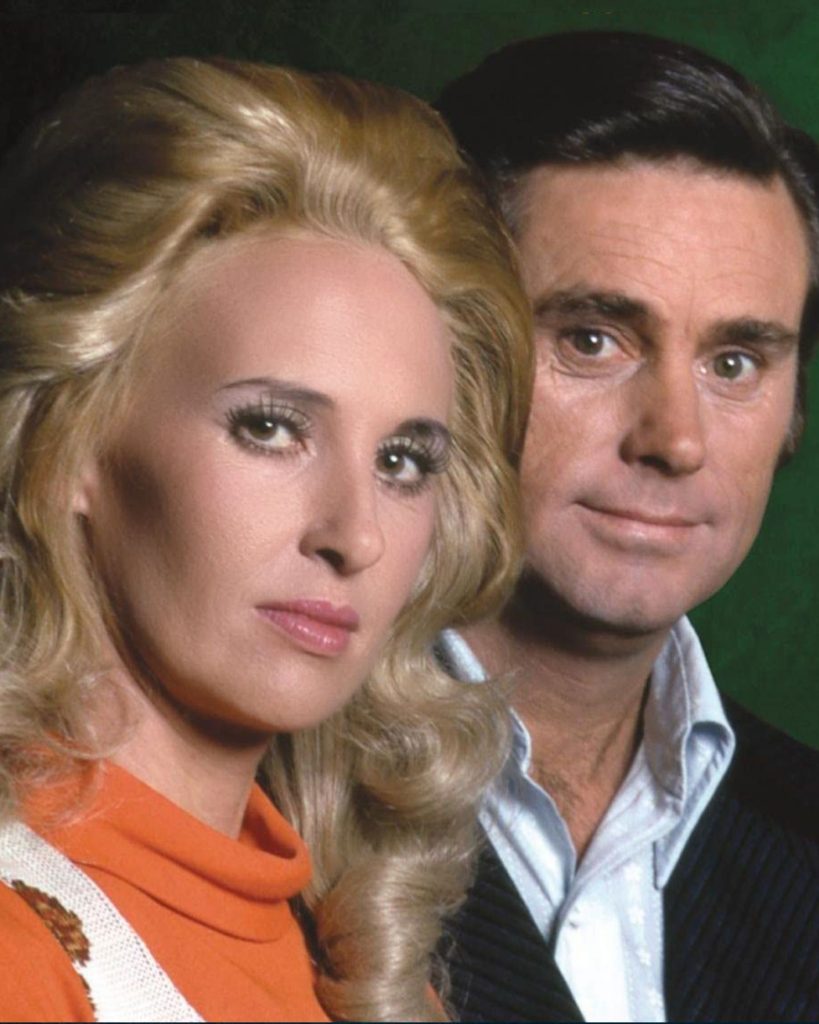
Imagine a canvas with half of the picture missing—how incomplete and strange it feels. “A Picture of Me (Without You)” plays on that exact sentiment, drawing listeners into a world where love and companionship are irreplaceable parts of life’s portrait. When I first encountered this song, it was like hearing someone put into words the emotions I’d long felt but hadn’t been able to articulate. This country classic, made famous by George Jones, resonates with anyone who’s ever felt the absence of someone dear, capturing the emotional gravity of love and loss with timeless grace.

About The Composition

  • Title: A Picture of Me (Without You)
  • Composer: Norro Wilson, George Richey
  • Premiere Date: 1972
  • Album/Opus/Collection: A Picture of Me (Without You)
  • Genre: Country, Honky-tonk

Background

“A Picture of Me (Without You)” was written by Norro Wilson and George Richey, two of Nashville’s songwriting stalwarts. Released in 1972, it became one of George Jones’ signature songs, embodying his style of emotional, heartfelt balladry. At the time, Jones was already a respected figure in country music, but this song further cemented his legacy as a master of conveying deep emotion through song. It wasn’t just about heartache—it was about a fundamental sense of incompleteness, a theme that resonated widely with audiences.

When the song was first released, it was a commercial success, reaching No. 5 on the Billboard Hot Country Singles chart. It was praised for its poignant lyrics and Jones’ soul-stirring delivery. It became a staple of Jones’ repertoire and is often regarded as one of his finest performances.

Musical Style

The musical style of “A Picture of Me (Without You)” is rooted in the honky-tonk tradition but with a smoother, more polished sound that was typical of country music in the early ’70s. The song’s slow tempo and the prominence of pedal steel guitar create a mournful, almost haunting atmosphere that perfectly complements the song’s theme. The melody is simple, allowing the emotional weight of the lyrics to shine through. Jones’ vocal delivery is filled with a sense of longing and vulnerability, elevating the song to an iconic status in the country music canon.

Lyrics/Libretto

The lyrics paint a vivid picture of life without a loved one, asking the listener to imagine a variety of scenarios missing a crucial element: a sky without blue, a house without a roof. This literary device highlights the emptiness and sorrow of the narrator’s world, and it strikes an emotional chord. The song’s use of metaphors is particularly powerful, making the theme of loss universal and deeply relatable.

Performance History

Since its debut, “A Picture of Me (Without You)” has been performed by various artists, but none have matched the impact of George Jones’ original rendition. Jones would often perform the song in concert, and each performance was met with an almost reverent silence from the audience, who connected deeply with its message. Artists like Lorrie Morgan have also recorded their versions, bringing a slightly different perspective but maintaining the emotional core of the song.

Cultural Impact

The song has had a lasting impact on country music, influencing a generation of artists with its emotional depth and simplicity. It’s been used in numerous TV shows and films that aim to capture the poignancy of lost love or separation, further cementing its place as a cultural touchstone. Its influence stretches beyond music, as the title and theme have become part of everyday expressions of love and loss.

Legacy

Even decades after its release, “A Picture of Me (Without You)” remains a beloved classic. It continues to touch listeners, both old and new, with its timeless message about the pain of absence. The song’s enduring appeal lies in its simplicity and emotional honesty, qualities that have ensured its place in the country music pantheon. George Jones’ version is still considered the definitive performance, and the song’s legacy lives on through covers and tributes.

Conclusion

“A Picture of Me (Without You)” is a song that captures the essence of heartache in the most poetic way. Its profound lyrics and tender melody make it one of George Jones’ finest works, and its timeless message continues to resonate today. If you haven’t yet listened to this classic, I highly recommend starting with Jones’ original recording—it’s a masterclass in emotive singing and storytelling. Let the song wash over you, and reflect on the people in your life who complete your own picture

Video

Lyrics

Imagine a world where no music was playin’
Then think of a church with nobody prayin’
If you’ve ever looked up at a sky with no blue
Then you’ve seen a picture of me without you
Have you walked in a garden where nothing was growin’
Or stood by a river where nothing was flowin’
If you’ve seen a red rose unkissed by the dew
Then you’ve seen a picture of me without you
Can you picture Heaven with no angels singin’
Or a quiet Sunday morning with no church bells ringin’
If you’ve watched as the heart of a child breaks in two
Then you’ve seen a picture of me without you

Related Post

LEFTY FRIZZELL WAS SINGING IN A BIG SPRING NIGHTCLUB WHEN A DALLAS STUDIO OWNER HEARD HIM. A FEW MONTHS LATER, COLUMBIA RECORDS HAD HIS NAME. After jail, Lefty Frizzell went back to Texas with a wife, a young family, and a name already carrying trouble. The stages were smaller now. He worked oil-field jobs with his father. He sang on weekends wherever somebody needed a band. Dance halls. Radio rooms. Honky-tonks full of men who had come in dusty from work and women who knew every slow song before the singer reached the chorus. By 1950, Lefty had a regular spot at the Ace of Clubs in Big Spring. He was still young, but the voice was already changing. He did not sing a line and let it go. He held it. Bent it. Let the word drag behind the beat until it sounded less like a lyric than a man trying not to say what had happened to him. The crowd kept coming back. Jim Beck heard about him. Beck owned a recording studio in Dallas. He knew publishers, label men, and singers looking for songs. But when Lefty first came to audition, Beck did not see much in him as another performer. What he heard was a song Lefty had written that was still unfinished. “If You’ve Got the Money (I’ve Got the Time).” Beck recorded a demo and carried it to Nashville. He first tried to place it with Little Jimmy Dickens. Dickens passed. Then Columbia producer Don Law heard the tape. He did not pass. In June 1950, Columbia signed Lefty Frizzell. The next month, he recorded his first session at Beck’s Dallas studio. The first single paired “If You’ve Got the Money (I’ve Got the Time)” with “I Love You a Thousand Ways,” the song Lefty had written after the jail cell had left him with too much time to think about Alice. Both sides went No. 1. The singer who had been working Texas clubs after everybody else’s day job was over suddenly had country radio in his hands. Within two years, Lefty would have thirteen Top 10 hits and change the way an entire generation of singers approached a vowel, a pause, and a hurt line. But it started before the Columbia contract. Before Nashville. In a Big Spring club, with a young man singing like the words were too heavy to release all at once.

BEFORE JOHN CONLEE SANG ABOUT A MAN HIDING BEHIND “ROSE COLORED GLASSES,” HE HAD ALREADY SPENT HIS DAYS IN A FUNERAL HOME WHERE NOBODY COULD PRETEND THE END WASN’T COMING. John Conlee grew up on a tobacco farm near Versailles, Kentucky, in a family where work came before dreams. He sang as a boy. He played guitar. But music did not become his first job. After school, Conlee trained as a mortician and worked at a funeral home. It was steady work. Serious work. The kind that taught a young man how families sound when they have run out of words. At night, he kept moving toward music. He worked radio in Kentucky, then took a job at WLAC in Nashville. The city was full of singers trying to get heard, but Conlee did not look like a new star arriving with a big machine behind him. He was a working man with a radio voice, a guitar, and songs about people who knew they were lying to themselves but did not know how to stop. One of those songs was “Rose Colored Glasses.” Conlee wrote it with George Baber. At first, he had another title in mind. Then the old phrase came to him: rose-colored glasses. It fit the man in the song perfectly — someone staying in a bad love because the truth hurt more than the illusion. In April 1978, ABC Records released it. The record climbed to No. 5. It became John Conlee’s first chart hit and gave him the name country fans would carry with them for decades. Then came “Lady Lay Down.” “Backside of Thirty.” “Common Man.” Songs about men who had missed their chance, lost the house, lost the woman, lost the version of life they thought they were supposed to have. John Conlee did not sing those records like a man guessing what heartbreak sounded like. He had spent his early years around tobacco fields, radio booths, and funeral-home rooms where there was no point pretending life had not changed. So when he sang about a man refusing to see the truth, country radio believed him. The song gave him rose-colored glasses. But John Conlee had already seen too much life without them.

A VIRGINIA DJ WROTE ONE SONG FOR ANOTHER SINGER. A YEAR LATER, TOM T. HALL LEFT THE RADIO BOOTH AND WENT TO NASHVILLE WITH NOTHING BUT STORIES. Before Tom T. Hall became country music’s “Storyteller,” he was working a radio shift in Virginia. He had grown up in Olive Hill, Kentucky, writing songs as a boy and playing bluegrass anywhere people would let him. He served in the Army in Germany, performed over Armed Forces Radio, then came home and found work as a disc jockey. The job gave him a microphone, a stack of records, and a front-row seat to the kind of people country songs were supposed to be about. Truck drivers calling in after dark. Farmers listening before dawn. Women asking for songs they could not explain to anyone at home. Hall was writing too. Not songs built around big Nashville ideas. Small stories. A man with a problem. A woman with a secret. A room with a radio on in the corner. He had learned that people would tell you almost anything if you stayed quiet long enough. Then a Nashville publisher named Jimmy Key heard some of his material. Key took one song, “D.J. for a Day,” and gave it to Grand Ole Opry singer Jimmy C. Newman. Newman recorded it in 1963. The song became a Top 10 country hit. For Hall, that one record changed the direction of everything. In 1964, he left Virginia and moved to Nashville to write songs for Newkeys Music. The pay was small. Around fifty dollars a week. He was expected to turn out songs constantly, sometimes several in a day. But the room had changed. The radio booth was gone. Now he was sitting in Nashville, trying to turn all the people he had watched and listened to into songs somebody else could carry to the charts. Soon Dave Dudley recorded “Mad.” Johnnie Wright took “Hello Vietnam” to No. 1. Then came “Harper Valley P.T.A.” for Jeannie C. Riley. “The Year That Clayton Delaney Died.” “Homecoming.” “Old Dogs, Children and Watermelon Wine.” Tom T. Hall did not go to Nashville with a big voice or a polished image. He went with the habit of listening. And somewhere between a Virginia radio booth and a fifty-dollar-a-week songwriting job, country music found the man who could turn ordinary lives into songs people never forgot.

You Missed

LEFTY FRIZZELL WAS SINGING IN A BIG SPRING NIGHTCLUB WHEN A DALLAS STUDIO OWNER HEARD HIM. A FEW MONTHS LATER, COLUMBIA RECORDS HAD HIS NAME. After jail, Lefty Frizzell went back to Texas with a wife, a young family, and a name already carrying trouble. The stages were smaller now. He worked oil-field jobs with his father. He sang on weekends wherever somebody needed a band. Dance halls. Radio rooms. Honky-tonks full of men who had come in dusty from work and women who knew every slow song before the singer reached the chorus. By 1950, Lefty had a regular spot at the Ace of Clubs in Big Spring. He was still young, but the voice was already changing. He did not sing a line and let it go. He held it. Bent it. Let the word drag behind the beat until it sounded less like a lyric than a man trying not to say what had happened to him. The crowd kept coming back. Jim Beck heard about him. Beck owned a recording studio in Dallas. He knew publishers, label men, and singers looking for songs. But when Lefty first came to audition, Beck did not see much in him as another performer. What he heard was a song Lefty had written that was still unfinished. “If You’ve Got the Money (I’ve Got the Time).” Beck recorded a demo and carried it to Nashville. He first tried to place it with Little Jimmy Dickens. Dickens passed. Then Columbia producer Don Law heard the tape. He did not pass. In June 1950, Columbia signed Lefty Frizzell. The next month, he recorded his first session at Beck’s Dallas studio. The first single paired “If You’ve Got the Money (I’ve Got the Time)” with “I Love You a Thousand Ways,” the song Lefty had written after the jail cell had left him with too much time to think about Alice. Both sides went No. 1. The singer who had been working Texas clubs after everybody else’s day job was over suddenly had country radio in his hands. Within two years, Lefty would have thirteen Top 10 hits and change the way an entire generation of singers approached a vowel, a pause, and a hurt line. But it started before the Columbia contract. Before Nashville. In a Big Spring club, with a young man singing like the words were too heavy to release all at once.

BEFORE JOHN CONLEE SANG ABOUT A MAN HIDING BEHIND “ROSE COLORED GLASSES,” HE HAD ALREADY SPENT HIS DAYS IN A FUNERAL HOME WHERE NOBODY COULD PRETEND THE END WASN’T COMING. John Conlee grew up on a tobacco farm near Versailles, Kentucky, in a family where work came before dreams. He sang as a boy. He played guitar. But music did not become his first job. After school, Conlee trained as a mortician and worked at a funeral home. It was steady work. Serious work. The kind that taught a young man how families sound when they have run out of words. At night, he kept moving toward music. He worked radio in Kentucky, then took a job at WLAC in Nashville. The city was full of singers trying to get heard, but Conlee did not look like a new star arriving with a big machine behind him. He was a working man with a radio voice, a guitar, and songs about people who knew they were lying to themselves but did not know how to stop. One of those songs was “Rose Colored Glasses.” Conlee wrote it with George Baber. At first, he had another title in mind. Then the old phrase came to him: rose-colored glasses. It fit the man in the song perfectly — someone staying in a bad love because the truth hurt more than the illusion. In April 1978, ABC Records released it. The record climbed to No. 5. It became John Conlee’s first chart hit and gave him the name country fans would carry with them for decades. Then came “Lady Lay Down.” “Backside of Thirty.” “Common Man.” Songs about men who had missed their chance, lost the house, lost the woman, lost the version of life they thought they were supposed to have. John Conlee did not sing those records like a man guessing what heartbreak sounded like. He had spent his early years around tobacco fields, radio booths, and funeral-home rooms where there was no point pretending life had not changed. So when he sang about a man refusing to see the truth, country radio believed him. The song gave him rose-colored glasses. But John Conlee had already seen too much life without them.

A VIRGINIA DJ WROTE ONE SONG FOR ANOTHER SINGER. A YEAR LATER, TOM T. HALL LEFT THE RADIO BOOTH AND WENT TO NASHVILLE WITH NOTHING BUT STORIES. Before Tom T. Hall became country music’s “Storyteller,” he was working a radio shift in Virginia. He had grown up in Olive Hill, Kentucky, writing songs as a boy and playing bluegrass anywhere people would let him. He served in the Army in Germany, performed over Armed Forces Radio, then came home and found work as a disc jockey. The job gave him a microphone, a stack of records, and a front-row seat to the kind of people country songs were supposed to be about. Truck drivers calling in after dark. Farmers listening before dawn. Women asking for songs they could not explain to anyone at home. Hall was writing too. Not songs built around big Nashville ideas. Small stories. A man with a problem. A woman with a secret. A room with a radio on in the corner. He had learned that people would tell you almost anything if you stayed quiet long enough. Then a Nashville publisher named Jimmy Key heard some of his material. Key took one song, “D.J. for a Day,” and gave it to Grand Ole Opry singer Jimmy C. Newman. Newman recorded it in 1963. The song became a Top 10 country hit. For Hall, that one record changed the direction of everything. In 1964, he left Virginia and moved to Nashville to write songs for Newkeys Music. The pay was small. Around fifty dollars a week. He was expected to turn out songs constantly, sometimes several in a day. But the room had changed. The radio booth was gone. Now he was sitting in Nashville, trying to turn all the people he had watched and listened to into songs somebody else could carry to the charts. Soon Dave Dudley recorded “Mad.” Johnnie Wright took “Hello Vietnam” to No. 1. Then came “Harper Valley P.T.A.” for Jeannie C. Riley. “The Year That Clayton Delaney Died.” “Homecoming.” “Old Dogs, Children and Watermelon Wine.” Tom T. Hall did not go to Nashville with a big voice or a polished image. He went with the habit of listening. And somewhere between a Virginia radio booth and a fifty-dollar-a-week songwriting job, country music found the man who could turn ordinary lives into songs people never forgot.

THE SONG HAD BEEN SITTING IN COUNTRY MUSIC FOR NINETEEN YEARS. THEN GENE WATSON RECORDED IT IN FIFTEEN MINUTES AND MADE IT HIS NAME. He came out of Texas, sang in holiness churches with his family, worked an auto body shop in Houston during the day, and played clubs at night. He had recorded for small regional labels. He had watched songs come close without changing his life. Then “Love in the Hot Afternoon” gave him a national hit in 1975, proving that country radio could hear him when it wanted to. But Gene Watson was never a singer built for fast songs or easy records. His voice lived in the slow ones. The songs where the room got quieter after the first line. The kind of country ballads that did not need a big ending because the hurt had already settled in before the chorus came around. “Farewell Party” had been written by Lawton Williams and recorded before. Williams cut it in 1960. Little Jimmy Dickens recorded it. Johnny Bush recorded it. The song had been around Nashville for nearly two decades, waiting for somebody to sing it like the man in the lyric was already looking down at the people gathered around him. In March 1979, Gene Watson went into Cowboy Jack Clement’s studio in Nashville. The session was almost over. “Farewell Party” was not supposed to be the big moment. Watson later recalled that they recorded it at the tail end of the session, in about fifteen minutes. But when he started singing about the last breath leaving his body and friends gathering around, he did not make it sound like a novelty funeral song. He made it sound like a man standing at the edge of his own goodbye. The record climbed to No. 5. It did not go No. 1. It did not need to. “Farewell Party” became the song people asked Gene Watson to sing for the rest of his life. It became the name of his band. Decades later, when he was inducted into the Grand Ole Opry, he closed the night with it. A song that had waited nineteen years for the right voice finally found one. And Gene Watson spent the rest of his career carrying that farewell with him from one stage to the next.