“Scroll down to the end of the article to listen to music.”

Introduction

There’s something deeply nostalgic about listening to “A Good Year for the Roses.” For anyone who has experienced love and loss, the song has a way of pulling at the heartstrings, evoking memories of past relationships and the little things that linger long after love has faded. When I first heard this song, it wasn’t just the lyrics that caught my attention, but the mood it created— a perfect balance of melancholy and reflection, wrapped in the sound of traditional country music. That personal connection is exactly what draws listeners in and keeps them coming back.

About The Composition

  • Title: A Good Year for the Roses
  • Composer: Jerry Chesnut
  • Premiere Date: First recorded by George Jones in 1970
  • Album: George Jones with Love (1971)
  • Genre: Country

Background

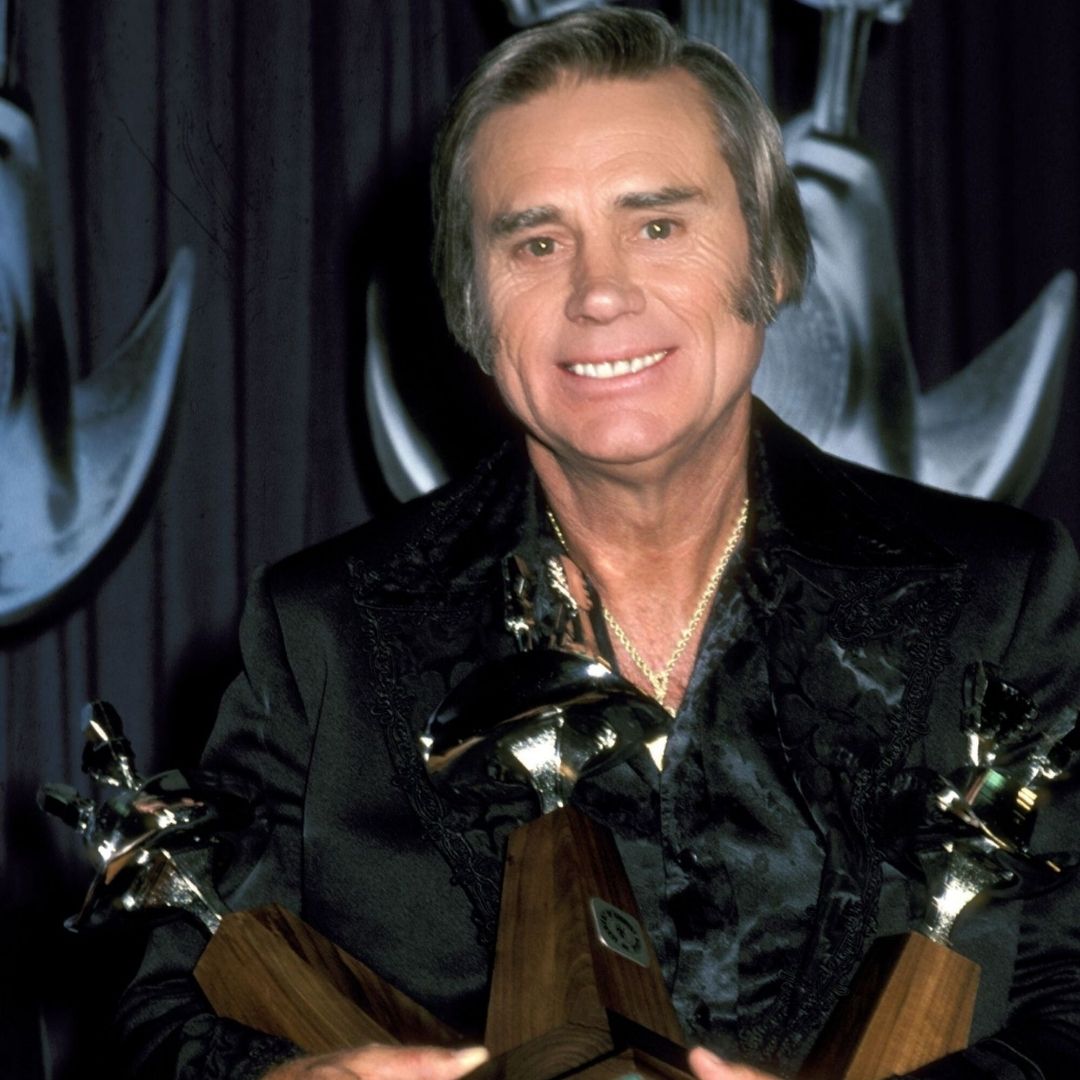
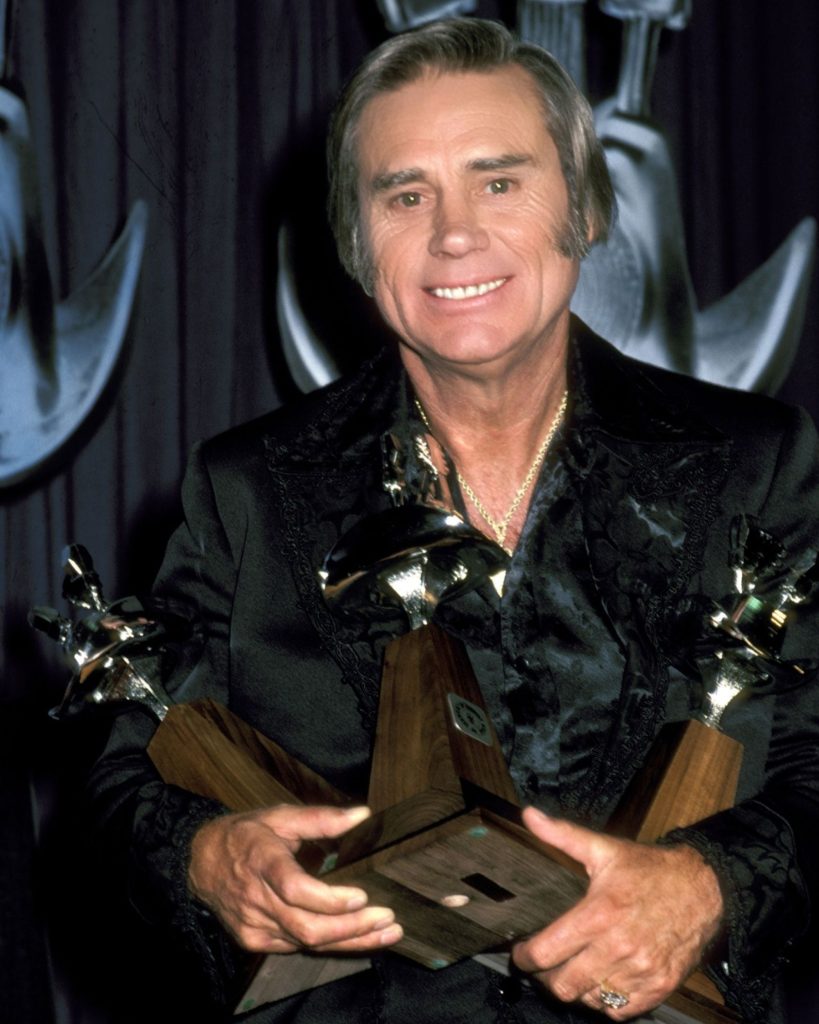
“A Good Year for the Roses” was penned by Jerry Chesnut, a Nashville songwriter known for his ability to encapsulate everyday emotions in simple yet profound lyrics. First recorded by George Jones in 1970, the song tells the story of a man grappling with the end of his marriage. The roses in the garden, still blooming despite the emotional decay of the relationship, serve as a poignant metaphor for the resilience of life even in moments of personal tragedy.

The song was initially well-received but gained greater popularity with later versions, particularly Elvis Costello’s rendition in 1981. Both versions highlight the enduring nature of the composition, appealing to audiences across different musical styles.

Musical Style

Musically, “A Good Year for the Roses” is a prime example of the traditional country sound of the early 1970s. The track features a slow, steady tempo that reflects the somber tone of the lyrics, with pedal steel guitars and subtle string arrangements providing a backdrop of emotional depth. The structure is straightforward, allowing the lyrics and the sentiment to take center stage.

The simplicity of the arrangement is where the song finds its power. Nothing is overly dramatic or flashy, but the instrumentation supports the weight of the song’s emotional message, creating a reflective and sorrowful mood that lingers long after the final notes.

Lyrics/Libretto

The lyrics to “A Good Year for the Roses” are rich in imagery and emotion. The song revolves around a man walking through his house one last time, observing the remnants of a relationship that’s fallen apart. Everyday objects, like half-empty coffee cups and unmade beds, serve as symbols of the neglect and emotional distance that have crept into the marriage.

The roses in the garden stand as the song’s central metaphor. Even though the relationship has withered, the roses continue to bloom, representing the way life carries on despite personal grief. It’s a bittersweet reminder of how the world moves forward, regardless of individual heartache.

Performance History

George Jones’ original recording of “A Good Year for the Roses” is widely regarded as a classic in his catalog. The song reached #2 on the country charts in 1970 and has since become a standard in the country genre. Elvis Costello’s version in 1981 brought the song to a broader audience, blending country with elements of rock and new wave, giving it a fresh, cross-genre appeal.

Over the years, numerous artists have covered the song, each bringing their own unique interpretation, but it’s Jones’ and Costello’s versions that have stood the test of time as defining performances.

Cultural Impact

Though “A Good Year for the Roses” is a traditional country song, it has had a surprisingly wide cultural reach. Costello’s cover introduced the song to an international audience, and its themes of love, loss, and regret have made it a favorite in TV shows and films that aim to evoke deep emotional responses from viewers.

The song’s enduring popularity across different genres and generations is a testament to the universal appeal of its subject matter. It’s not just a song about a failed relationship, but about the human experience of loss, something that resonates with listeners far beyond the world of country music.

Legacy

The legacy of “A Good Year for the Roses” is one of emotional honesty and timeless relevance. More than five decades after it was first recorded, it continues to be a favorite among country music fans and artists alike. Its themes of love, loss, and resilience are as poignant today as they were in 1970, making it a classic that will likely continue to touch audiences for years to come.

Conclusion

“A Good Year for the Roses” is a song that stays with you long after you’ve heard it. Its quiet reflection on the end of a relationship, paired with its evocative imagery and subtle instrumentation, makes it a powerful piece of music. Whether you’re a fan of country or not, there’s something universal about the song’s message, and it’s well worth exploring in depth. If you’re looking for a place to start, George Jones’ original recording is a great entry point, but Elvis Costello’s version offers an equally compelling take on this classic.

This song reminds us that even in the midst of personal turmoil, life goes on—sometimes in the most unexpected and beautiful ways.

Video

Lyrics

I can hardly bare the sight of lipstick
On the cigarettes there in the ashtray
Lyin’ cold the way you left them
But at least your lips caressed them while you packed
And a lip print on a half-filled cup of coffee
That you poured and didn’t drink
But at least you thought you wanted it
That’s so much more than I can say for me
It’s been a good year for the roses
Many blooms still linger there
The lawn could stand another mowin’
Funny, I don’t even care
When you turned and walked away
And as the door behind you closes
The only thing I know to say
It’s been a good year for the roses
After three full years of marriage
It’s the first time that you haven’t made the bed
I guess the reason we’re not talkin’
There’s so little left to say, we haven’t said
While a million thoughts go racin’ through my mind
I find I haven’t spoke a word
And from the bedroom those familiar sounds
Of our one baby’s cryin’ goes unheard
But what a good year for the roses
Many blooms still linger there
The lawn could stand another mowin’
Funny, I don’t even care
When you turned and walked away
And as the door behind you closes
The only thing I know to say
It’s been a good year for the roses

Related Post

THE SONG HAD BEEN SITTING IN COUNTRY MUSIC FOR NINETEEN YEARS. THEN GENE WATSON RECORDED IT IN FIFTEEN MINUTES AND MADE IT HIS NAME. He came out of Texas, sang in holiness churches with his family, worked an auto body shop in Houston during the day, and played clubs at night. He had recorded for small regional labels. He had watched songs come close without changing his life. Then “Love in the Hot Afternoon” gave him a national hit in 1975, proving that country radio could hear him when it wanted to. But Gene Watson was never a singer built for fast songs or easy records. His voice lived in the slow ones. The songs where the room got quieter after the first line. The kind of country ballads that did not need a big ending because the hurt had already settled in before the chorus came around. “Farewell Party” had been written by Lawton Williams and recorded before. Williams cut it in 1960. Little Jimmy Dickens recorded it. Johnny Bush recorded it. The song had been around Nashville for nearly two decades, waiting for somebody to sing it like the man in the lyric was already looking down at the people gathered around him. In March 1979, Gene Watson went into Cowboy Jack Clement’s studio in Nashville. The session was almost over. “Farewell Party” was not supposed to be the big moment. Watson later recalled that they recorded it at the tail end of the session, in about fifteen minutes. But when he started singing about the last breath leaving his body and friends gathering around, he did not make it sound like a novelty funeral song. He made it sound like a man standing at the edge of his own goodbye. The record climbed to No. 5. It did not go No. 1. It did not need to. “Farewell Party” became the song people asked Gene Watson to sing for the rest of his life. It became the name of his band. Decades later, when he was inducted into the Grand Ole Opry, he closed the night with it. A song that had waited nineteen years for the right voice finally found one. And Gene Watson spent the rest of his career carrying that farewell with him from one stage to the next.

PAPPY DAILY HEARD GEORGE JONES SING LIKE HANK WILLIAMS, LEFTY FRIZZELL, AND ROY ACUFF. THEN HE ASKED HIM ONE QUESTION: “CAN YOU SING LIKE GEORGE JONES?” When George Jones came back to Texas after the Marines, he had a guitar, a young family, and a voice built out of other men’s records. Roy Acuff had been the first hero. Hank Williams had shown him how much pain a country song could carry. Lefty Frizzell had taught him what could happen when a singer stretched one word until it sounded like five. George listened hard enough that their voices began showing up inside his own. In 1954, he cut his first record for Starday. The title was “No Money in This Deal.” It was recorded in a small East Texas house with trucks passing outside. The sound was rough. The records did not sell. George kept cutting songs, but the young singer on those early sides still sounded like he was trying to win an audition for the ghosts who had raised him. Then Pappy Daily stepped in. Daily was not a singer. He was a jukebox man, a record man, and the producer-manager who saw something in George before Nashville did. He had heard the kid imitate Roy Acuff. He had heard Hank Williams in the high, lonesome edge of the voice. He had heard Lefty Frizzell in the phrasing. One day, Daily asked him the question George needed to hear. He said, “George, I’ve heard you sing like Roy Acuff, Hank Williams, Lefty Frizzell. I just want to know one thing: Can you sing like George Jones?” That question did not turn George into a star overnight. There were still small labels, cheap studios, failed singles, and years before “White Lightning,” “She Thinks I Still Care,” and the records that would make his voice impossible to confuse with anybody else’s. But it gave him a direction. George never stopped carrying Hank, Lefty, and Roy inside the way he sang. He later admitted that Lefty shaped his phrasing more than anyone. But eventually the borrowed pieces became something else — the long held notes, the crack in the middle of a word, the feeling that a man was trying to stay calm while his whole life was giving way. Pappy Daily did not teach George Jones how to sound like George Jones. He made him understand that someday, he had to.

GEORGE JONES WAS SO NERVOUS PLAYING GUITAR FOR HANK WILLIAMS THAT HE BLEW THE SOLO. HANK WAS STILL THE REASON HE NEVER LEFT MUSIC. Before George Jones became the voice people called country music’s greatest, he was a skinny teenager trying to stay close to a radio microphone in Beaumont, Texas. He had already been singing for tips on street corners. He had already learned that a guitar could do more for a poor kid than most people around him expected. By the late 1940s, he had found work around KRIC Radio, playing wherever there was a slot, a local show, or a singer who needed another guitar. Then Hank Williams came through town. For George, Hank was not just another guest on the program. He was the man whose records had taken over his head. George later said he could barely think about anything else when Hank had a new song on the radio. Hank Williams was the sound he wanted to become before he had any idea that a singer needed his own sound to last. In 1949, Hank appeared live at KRIC. George was asked to play lead guitar on “Wedding Bells.” The moment came, and George froze. He was so excited about standing near Hank Williams that he blew the solo. The notes went wrong. The part he had probably practiced in his mind a hundred times came apart in front of the one person he wanted to impress most. But Hank did not make George forget the night. He made him remember it forever. George kept playing. He went into the Marines. He came back to Texas. He made records nobody bought at first. He sang too much like Hank, too much like Lefty Frizzell, too much like every hero whose voice had filled his childhood radio. Then, slowly, George Jones found the break in his own voice. The one that could hold a note until it sounded like a man had nowhere left to hide. Years later, George would become one of the few singers country music placed beside Hank Williams instead of behind him. But before all of that, he was just a nervous kid in a Beaumont radio studio, missing a guitar solo because Hank Williams had walked into the room.

You Missed

THE SONG HAD BEEN SITTING IN COUNTRY MUSIC FOR NINETEEN YEARS. THEN GENE WATSON RECORDED IT IN FIFTEEN MINUTES AND MADE IT HIS NAME. He came out of Texas, sang in holiness churches with his family, worked an auto body shop in Houston during the day, and played clubs at night. He had recorded for small regional labels. He had watched songs come close without changing his life. Then “Love in the Hot Afternoon” gave him a national hit in 1975, proving that country radio could hear him when it wanted to. But Gene Watson was never a singer built for fast songs or easy records. His voice lived in the slow ones. The songs where the room got quieter after the first line. The kind of country ballads that did not need a big ending because the hurt had already settled in before the chorus came around. “Farewell Party” had been written by Lawton Williams and recorded before. Williams cut it in 1960. Little Jimmy Dickens recorded it. Johnny Bush recorded it. The song had been around Nashville for nearly two decades, waiting for somebody to sing it like the man in the lyric was already looking down at the people gathered around him. In March 1979, Gene Watson went into Cowboy Jack Clement’s studio in Nashville. The session was almost over. “Farewell Party” was not supposed to be the big moment. Watson later recalled that they recorded it at the tail end of the session, in about fifteen minutes. But when he started singing about the last breath leaving his body and friends gathering around, he did not make it sound like a novelty funeral song. He made it sound like a man standing at the edge of his own goodbye. The record climbed to No. 5. It did not go No. 1. It did not need to. “Farewell Party” became the song people asked Gene Watson to sing for the rest of his life. It became the name of his band. Decades later, when he was inducted into the Grand Ole Opry, he closed the night with it. A song that had waited nineteen years for the right voice finally found one. And Gene Watson spent the rest of his career carrying that farewell with him from one stage to the next.

PAPPY DAILY HEARD GEORGE JONES SING LIKE HANK WILLIAMS, LEFTY FRIZZELL, AND ROY ACUFF. THEN HE ASKED HIM ONE QUESTION: “CAN YOU SING LIKE GEORGE JONES?” When George Jones came back to Texas after the Marines, he had a guitar, a young family, and a voice built out of other men’s records. Roy Acuff had been the first hero. Hank Williams had shown him how much pain a country song could carry. Lefty Frizzell had taught him what could happen when a singer stretched one word until it sounded like five. George listened hard enough that their voices began showing up inside his own. In 1954, he cut his first record for Starday. The title was “No Money in This Deal.” It was recorded in a small East Texas house with trucks passing outside. The sound was rough. The records did not sell. George kept cutting songs, but the young singer on those early sides still sounded like he was trying to win an audition for the ghosts who had raised him. Then Pappy Daily stepped in. Daily was not a singer. He was a jukebox man, a record man, and the producer-manager who saw something in George before Nashville did. He had heard the kid imitate Roy Acuff. He had heard Hank Williams in the high, lonesome edge of the voice. He had heard Lefty Frizzell in the phrasing. One day, Daily asked him the question George needed to hear. He said, “George, I’ve heard you sing like Roy Acuff, Hank Williams, Lefty Frizzell. I just want to know one thing: Can you sing like George Jones?” That question did not turn George into a star overnight. There were still small labels, cheap studios, failed singles, and years before “White Lightning,” “She Thinks I Still Care,” and the records that would make his voice impossible to confuse with anybody else’s. But it gave him a direction. George never stopped carrying Hank, Lefty, and Roy inside the way he sang. He later admitted that Lefty shaped his phrasing more than anyone. But eventually the borrowed pieces became something else — the long held notes, the crack in the middle of a word, the feeling that a man was trying to stay calm while his whole life was giving way. Pappy Daily did not teach George Jones how to sound like George Jones. He made him understand that someday, he had to.

GEORGE JONES WAS SO NERVOUS PLAYING GUITAR FOR HANK WILLIAMS THAT HE BLEW THE SOLO. HANK WAS STILL THE REASON HE NEVER LEFT MUSIC. Before George Jones became the voice people called country music’s greatest, he was a skinny teenager trying to stay close to a radio microphone in Beaumont, Texas. He had already been singing for tips on street corners. He had already learned that a guitar could do more for a poor kid than most people around him expected. By the late 1940s, he had found work around KRIC Radio, playing wherever there was a slot, a local show, or a singer who needed another guitar. Then Hank Williams came through town. For George, Hank was not just another guest on the program. He was the man whose records had taken over his head. George later said he could barely think about anything else when Hank had a new song on the radio. Hank Williams was the sound he wanted to become before he had any idea that a singer needed his own sound to last. In 1949, Hank appeared live at KRIC. George was asked to play lead guitar on “Wedding Bells.” The moment came, and George froze. He was so excited about standing near Hank Williams that he blew the solo. The notes went wrong. The part he had probably practiced in his mind a hundred times came apart in front of the one person he wanted to impress most. But Hank did not make George forget the night. He made him remember it forever. George kept playing. He went into the Marines. He came back to Texas. He made records nobody bought at first. He sang too much like Hank, too much like Lefty Frizzell, too much like every hero whose voice had filled his childhood radio. Then, slowly, George Jones found the break in his own voice. The one that could hold a note until it sounded like a man had nowhere left to hide. Years later, George would become one of the few singers country music placed beside Hank Williams instead of behind him. But before all of that, he was just a nervous kid in a Beaumont radio studio, missing a guitar solo because Hank Williams had walked into the room.

BEFORE TAMMY WYNETTE, GEORGE JONES FOUND A WOMAN WHO COULD BREAK HIS HEART ON RECORD WITHOUT EVER RAISING HER VOICE. Melba Montgomery had already been singing before George Jones heard her name. She grew up in Alabama, sang in church, performed with her brothers, and eventually won a Nashville talent contest that put her on the road with Roy Acuff. For four years, she traveled in Acuff’s band, learning the hard part of country music before anybody offered her a real place in it: long drives, small crowds, hotel rooms, and songs that had to earn their way past the first verse. By 1963, Melba had cut a few sides for small labels, but nothing had opened. Then George Jones heard her. He was already a star at United Artists. “White Lightning” had made him famous. “She Thinks I Still Care” had made him something more dangerous: a singer whose voice could turn a simple line into a wound. George liked Melba’s sound enough to take it to producer Pappy Daily and push for her to get signed. The first song they recorded together was one Melba had written herself. “We Must Have Been Out of Our Minds.” It was not a big dramatic duet. No shouting. No courtroom. No grand goodbye. Just two people trying to explain why they had fallen into a love they both knew was wrong. George sang the guilt. Melba sang the ache. Their voices did not fight each other. They leaned into the same bad decision from opposite sides. The record went to No. 3. Then came “Let’s Invite Them Over.” “What’s in Our Heart.” “Party Pickin’.” For years, George and Melba toured and recorded together. Before George and Tammy became country music’s most famous damaged pair, George and Melba had already built another kind of duet sound — quieter, older, more Appalachian, less about spectacle than two voices standing too close to a broken marriage. Melba later said working with George was one of the great honors of her career. But the truth ran both ways. George Jones did not just give Melba Montgomery a chance. He found someone who could meet him in the middle of a sad song and make him sound even lonelier than he did alone.