“Scroll down to the end of the article to listen to music.”

Introduction

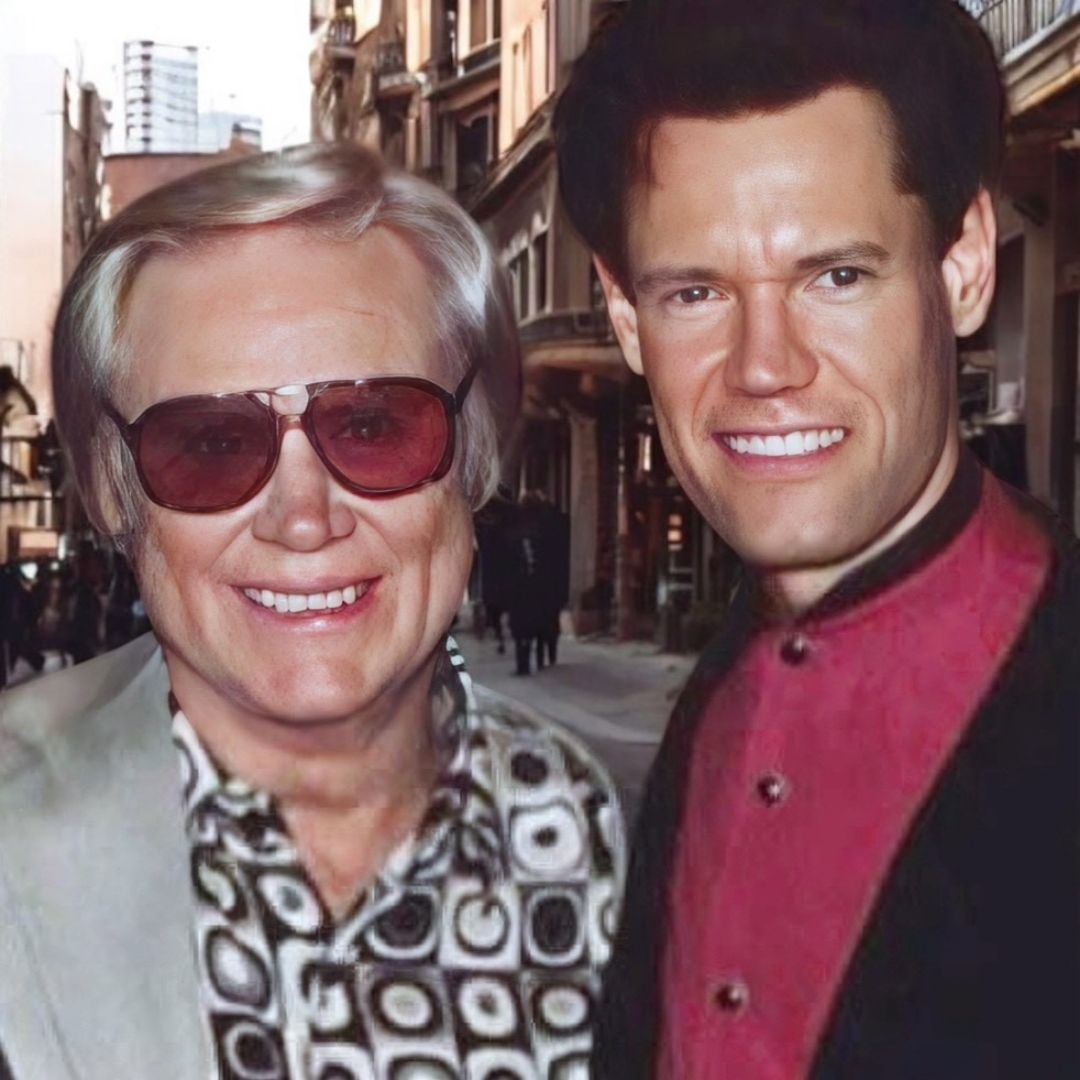
Imagine standing at the edge of a vast emotional landscape, where every note and lyric guides you through heartbreak, memory, and longing. This is the journey that “The Grand Tour” takes us on—a timeless masterpiece that has captivated listeners since its debut. George Jones’ unmatched delivery turns this song into a poignant exploration of loss and nostalgia, ensuring its place as one of country music’s most treasured pieces.

About The Composition

  • Title: The Grand Tour
  • Composer: Norro Wilson, Carmol Taylor, and George Richey
  • Premiere Date: May 1974
  • Album: The Grand Tour
  • Genre: Country

Background

Released in May 1974, “The Grand Tour” quickly became a defining moment in George Jones’ illustrious career. Written by the talented trio of Norro Wilson, Carmol Taylor, and George Richey, the song offers a deeply personal narrative of heartbreak. Set against the backdrop of 1970s country music, which often leaned into storytelling, this track stood out for its raw vulnerability and the unparalleled emotion in Jones’ voice. The song topped the Billboard Hot Country Singles chart, cementing its status as a classic. It resonated deeply with audiences, who saw their own heartbreak mirrored in its haunting lyrics and melody.

Musical Style

“The Grand Tour” exemplifies the classic country ballad style, marked by its slow tempo and rich, emotive instrumentation. The arrangement features subtle string sections, a gentle piano melody, and traditional country guitar riffs that enhance the song’s melancholic tone. George Jones’ vocal delivery—his ability to linger on notes and add subtle quivers—is the centerpiece, transforming the song into an immersive emotional experience. The structure is straightforward, allowing the lyrics to take the spotlight, with each verse unfolding like chapters of a heart-wrenching story.

Lyrics

The lyrics of “The Grand Tour” are a guided walk through an empty home, symbolizing the aftermath of a failed relationship. With lines like, “Step right up, come on in,” the listener is invited to witness the narrator’s pain firsthand. The house, once filled with love, is now a hollow reminder of what has been lost. The juxtaposition of the grandiose invitation with the personal sorrow creates a striking contrast, making the narrative even more poignant. Themes of loneliness, regret, and the yearning for what once was are masterfully woven into the story.

Performance History

“The Grand Tour” debuted at the top of the Billboard Hot Country Singles chart and remains one of George Jones’ most iconic performances. Over the years, the song has been covered by several artists, including Aaron Neville, whose rendition introduced the song to a broader audience. Jones himself often included it in his live performances, with fans eagerly awaiting its heart-wrenching delivery. The song’s success and impact solidified Jones’ reputation as one of country music’s greatest storytellers.

Cultural Impact

Beyond its success on the charts, “The Grand Tour” has influenced countless artists and cemented itself as a benchmark for storytelling in music. Its themes of heartbreak and memory have made it a go-to track for movies and television shows seeking to evoke deep emotional resonance. The song’s enduring popularity speaks to its universal appeal, transcending its country roots to touch listeners from all walks of life.

Legacy

Decades after its release, “The Grand Tour” continues to be celebrated as one of country music’s finest achievements. It remains a staple in George Jones’ catalog and is often cited as a masterclass in vocal performance and lyrical storytelling. For both longtime fans and new listeners, the song serves as a reminder of the power of music to capture and convey the complexities of human emotion.

Conclusion

Listening to “The Grand Tour” is more than just hearing a song; it’s an emotional journey. George Jones’ unparalleled delivery, combined with the evocative lyrics and haunting melody, makes this piece timeless. Whether you’re revisiting it or discovering it for the first time, “The Grand Tour” offers a profound experience. For a truly unforgettable rendition, explore recordings of George Jones performing the song live—it’s a moment of pure musical brilliance

Video

Lyrics

Step right up, come on in
If you’d like to take the grand tour
Of a lonely house that once was home sweet home
I have nothing here to sell you
Just some things that I will tell you
Some things I know will chill you to the bond
Over there, sits the chair
Where she’d bring the paper to me
And sit down on my knee
And whisper, “oh, I love you”
But now she’s gone forever
And this old house will never
Be the same without the love
That we once knew
Straight ahead, that’s the bed
Where we’d lay in love together
And Lord knows we had a good thing going here
See her picture on the table
Don’t it look like she’d be able
Just to touch me and say good morning dear
There’s her rings, all her things
And her clothes are in the closet
Like she left them
When she tore my world apart
As you leave you’ll see the nursery
Oh, she left me without mercy
Taking nothing but
Our baby and my heart
Step right up, come on in

Related Post

THE SONG DID NOT ASK FOR A MODERN BAR. IT ASKED FOR AN OLD JUKEBOX, A GLASS, AND ERNEST TUBB STILL SINGING SOMEWHERE IN THE CORNER. Vern Gosdin had always sounded like he belonged to a country music that was already disappearing. He came out of Alabama gospel harmonies, moved through California folk clubs, sang in duos, fought through small labels, and eventually became one of the few men in Nashville who could hold a note long enough to make heartbreak feel physical. By the late 1980s, country radio was changing again. The production was getting brighter. The songs were getting smoother. Vern had just fought his way back with “Chiseled in Stone,” but he did not respond by trying to sound younger. He went further into the world he understood best. Then came “Set ’Em Up Joe.” Written by Hank Cochran, Dean Dillon, and Buddy Cannon, the song was built around an old barroom ritual: pour the drink, turn on the jukebox, and let Ernest Tubb sing “Walking the Floor Over You.” It was not nostalgia for the sake of nostalgia. It was a song about a man using the old country records as company after someone had left. Vern cut it in 1988. His voice made the song sound less like tribute than confession. The title became a line country fans could say before a sad night began. Ernest Tubb’s name was not there as decoration. He was the ghost in the room — the old voice on the jukebox, still helping strangers survive the closing hour. “Set ’Em Up Joe” went to No. 1. For Vern Gosdin, it became proof that traditional country had not died. It had only been waiting for somebody to sing it without apology.

SHE WAS ACTING SINGLE. HE WAS DRINKING DOUBLES. AND ONE HONKY-TONK SONG TURNED GARY STEWART INTO THE VOICE OF EVERY MAN WHO STAYED TOO LONG AT THE BAR. Before Gary Stewart became the King of Honky-Tonk, he had already learned how to make a song sound unsteady without ever losing the note. He came out of Kentucky and Florida, played piano, wrote songs, worked small rooms, and carried a voice that did not sound polished enough for easy Nashville. It had a high, wounded tremble in it. The kind of voice that could make a man sound one drink from crying and one drink from fighting. Then RCA gave him a chance. In 1974, “Drinkin’ Thing” hit. Then came “Out of Hand.” By 1975, Gary Stewart was not just another country singer trying to get heard. He had found a lane nobody else was filling quite the same way — piano-driven honky-tonk, sharp rhythm, desperate men, women leaving, neon lights, and no real promise that anybody was going home. Then Wayne Carson wrote “She’s Actin’ Single (I’m Drinkin’ Doubles).” The title alone sounded like a whole broken marriage compressed into one barstool. Released in 1975, it became Gary Stewart’s only No. 1 country hit. For one week, the man with the shaking voice and the piano-bar ache stood at the top of country radio. The song turned him into an emblem for the people who did not leave when the party was over. “She’s Actin’ Single” made him famous. But it also gave country music one of its most honest barroom portraits: not a man having fun, not a man getting revenge — just a man trying to drown the sound of somebody else walking away.

SHE HAD THREE LITTLE GIRLS, A BEAUTY OPERATOR’S LICENSE, AND NO REASON TO BELIEVE NASHVILLE WOULD WAIT FOR HER. THEN TAMMY WYNette WALKED IN AND ASKED TO SEE BILLY SHERRILL. Before she was Tammy Wynette, she was Virginia Pugh from Itawamba County, Mississippi. She had picked cotton as a child. She had married young. She had worked as a waitress, in a shoe factory, and behind a beauty shop chair because songs alone did not keep three little girls fed. By the time she left her first husband, she was carrying more than a dream toward Nashville. She was carrying daughters, bills, and the kind of fear that does not fit inside a guitar case. In Alabama, she got up before daylight to sing on the local Country Boy Eddie television show. Then she went to work as a hairdresser. That was the life for a while. Sing in the morning. Set hair during the day. Go home to three children. Try to believe there was still another door somewhere. In 1966, she packed up and moved to Nashville. The city did not open for her immediately. She drove around Music Row with her children, asked questions, knocked on doors, and kept being told some version of no. Producers had already heard plenty of women who wanted to be country singers. Nashville was full of them. But Tammy did not have the luxury of disappearing quietly. Eventually, she got in front of Billy Sherrill at Epic Records. Sherrill was already becoming one of the men who could shape a whole sound out of strings, steel guitar, tears, and timing. He heard something in her voice that did not sound polished. It sounded lived-in. Tammy could make a line about a motel room, a cheating husband, or an empty house feel like she had just walked out of it. He signed her. Her first Epic single, “Apartment No. 9,” became a hit in 1967. Then came “Your Good Girl’s Gonna Go Bad.” Then “I Don’t Wanna Play House.” Then “D-I-V-O-R-C-E.” The woman who had come to Nashville with a cosmetology license still kept it renewed for the rest of her life. Tammy Wynette became the First Lady of Country Music. She had No. 1 hits, gold records, and a voice country radio could not replace.

You Missed

THE SONG DID NOT ASK FOR A MODERN BAR. IT ASKED FOR AN OLD JUKEBOX, A GLASS, AND ERNEST TUBB STILL SINGING SOMEWHERE IN THE CORNER. Vern Gosdin had always sounded like he belonged to a country music that was already disappearing. He came out of Alabama gospel harmonies, moved through California folk clubs, sang in duos, fought through small labels, and eventually became one of the few men in Nashville who could hold a note long enough to make heartbreak feel physical. By the late 1980s, country radio was changing again. The production was getting brighter. The songs were getting smoother. Vern had just fought his way back with “Chiseled in Stone,” but he did not respond by trying to sound younger. He went further into the world he understood best. Then came “Set ’Em Up Joe.” Written by Hank Cochran, Dean Dillon, and Buddy Cannon, the song was built around an old barroom ritual: pour the drink, turn on the jukebox, and let Ernest Tubb sing “Walking the Floor Over You.” It was not nostalgia for the sake of nostalgia. It was a song about a man using the old country records as company after someone had left. Vern cut it in 1988. His voice made the song sound less like tribute than confession. The title became a line country fans could say before a sad night began. Ernest Tubb’s name was not there as decoration. He was the ghost in the room — the old voice on the jukebox, still helping strangers survive the closing hour. “Set ’Em Up Joe” went to No. 1. For Vern Gosdin, it became proof that traditional country had not died. It had only been waiting for somebody to sing it without apology.

SHE WAS ACTING SINGLE. HE WAS DRINKING DOUBLES. AND ONE HONKY-TONK SONG TURNED GARY STEWART INTO THE VOICE OF EVERY MAN WHO STAYED TOO LONG AT THE BAR. Before Gary Stewart became the King of Honky-Tonk, he had already learned how to make a song sound unsteady without ever losing the note. He came out of Kentucky and Florida, played piano, wrote songs, worked small rooms, and carried a voice that did not sound polished enough for easy Nashville. It had a high, wounded tremble in it. The kind of voice that could make a man sound one drink from crying and one drink from fighting. Then RCA gave him a chance. In 1974, “Drinkin’ Thing” hit. Then came “Out of Hand.” By 1975, Gary Stewart was not just another country singer trying to get heard. He had found a lane nobody else was filling quite the same way — piano-driven honky-tonk, sharp rhythm, desperate men, women leaving, neon lights, and no real promise that anybody was going home. Then Wayne Carson wrote “She’s Actin’ Single (I’m Drinkin’ Doubles).” The title alone sounded like a whole broken marriage compressed into one barstool. Released in 1975, it became Gary Stewart’s only No. 1 country hit. For one week, the man with the shaking voice and the piano-bar ache stood at the top of country radio. The song turned him into an emblem for the people who did not leave when the party was over. “She’s Actin’ Single” made him famous. But it also gave country music one of its most honest barroom portraits: not a man having fun, not a man getting revenge — just a man trying to drown the sound of somebody else walking away.

SHE HAD THREE LITTLE GIRLS, A BEAUTY OPERATOR’S LICENSE, AND NO REASON TO BELIEVE NASHVILLE WOULD WAIT FOR HER. THEN TAMMY WYNette WALKED IN AND ASKED TO SEE BILLY SHERRILL. Before she was Tammy Wynette, she was Virginia Pugh from Itawamba County, Mississippi. She had picked cotton as a child. She had married young. She had worked as a waitress, in a shoe factory, and behind a beauty shop chair because songs alone did not keep three little girls fed. By the time she left her first husband, she was carrying more than a dream toward Nashville. She was carrying daughters, bills, and the kind of fear that does not fit inside a guitar case. In Alabama, she got up before daylight to sing on the local Country Boy Eddie television show. Then she went to work as a hairdresser. That was the life for a while. Sing in the morning. Set hair during the day. Go home to three children. Try to believe there was still another door somewhere. In 1966, she packed up and moved to Nashville. The city did not open for her immediately. She drove around Music Row with her children, asked questions, knocked on doors, and kept being told some version of no. Producers had already heard plenty of women who wanted to be country singers. Nashville was full of them. But Tammy did not have the luxury of disappearing quietly. Eventually, she got in front of Billy Sherrill at Epic Records. Sherrill was already becoming one of the men who could shape a whole sound out of strings, steel guitar, tears, and timing. He heard something in her voice that did not sound polished. It sounded lived-in. Tammy could make a line about a motel room, a cheating husband, or an empty house feel like she had just walked out of it. He signed her. Her first Epic single, “Apartment No. 9,” became a hit in 1967. Then came “Your Good Girl’s Gonna Go Bad.” Then “I Don’t Wanna Play House.” Then “D-I-V-O-R-C-E.” The woman who had come to Nashville with a cosmetology license still kept it renewed for the rest of her life. Tammy Wynette became the First Lady of Country Music. She had No. 1 hits, gold records, and a voice country radio could not replace.

THE DIVORCE WAS ALREADY FINAL. THEN GEORGE JONES AND TAMMY WYNETTE WALKED BACK INTO THE STUDIO AND SANG ABOUT A WEDDING RING THAT ENDED UP BACK IN A PAWN SHOP. By 1976, George Jones and Tammy Wynette were no longer country music’s perfect storm at home. The marriage had already broken. The fights, drinking, leaving, returning, and public pain had finally become legal fact. They divorced in 1975. But country radio was not finished with them. The song was “Golden Ring,” written by Bobby Braddock and Rafe Van Hoy. It did not need a complicated story. A ring sits in a pawn shop. A young couple buys it. They marry. The love dies. The ring ends up back where it started. By itself, it is just metal. Only love can make it mean anything. For almost any other duet pair, that would have been a sad country song. For George and Tammy, it sounded like somebody had put their marriage on the counter and asked them to sing over it. The record came out in May 1976, about fourteen months after their divorce. Fans heard the voices together and kept wanting the old story to repair itself. George later admitted he hated working with Tammy after the split because it brought back too many bad memories and made people think they were getting back together. But the song went to No. 1. The marriage was gone. The ring in the song had gone back to the pawn shop. And somehow, George Jones and Tammy Wynette turned the wreckage into one of the most painful duets country music ever sent to the top of the chart.