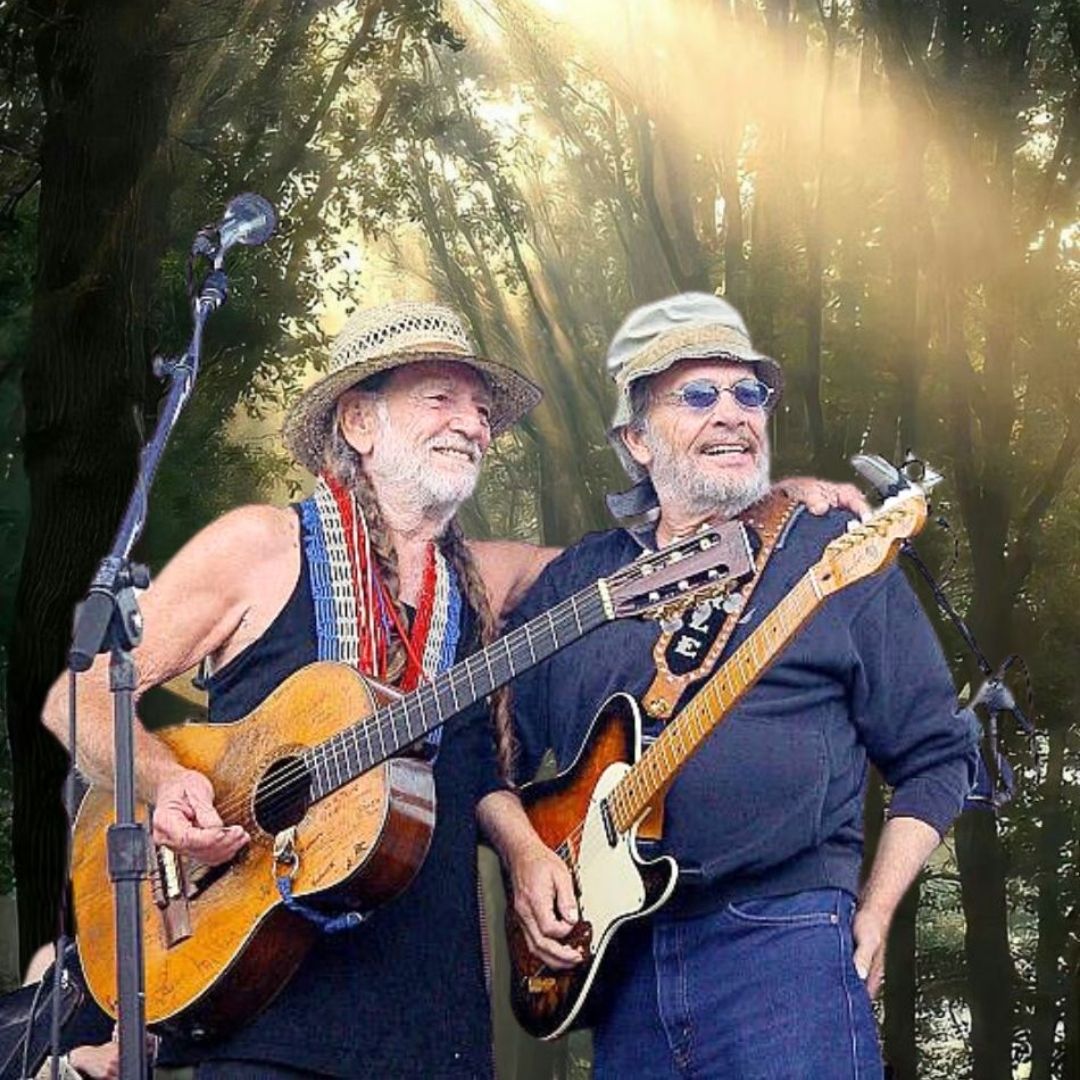
“Scroll down to the end of the article to listen to music.”

Introduction

Imagine two country legends sitting down, swapping stories, and letting the world see what happens when their shared love for music meets a hearty sense of humor. That’s exactly what happened when Willie Nelson and Merle Haggard collaborated on “It’s All Going to Pot.” This song isn’t just music; it’s a slice of Americana, served with a wink and a nod to the cultural shifts happening around it.

About The Composition

  • Title: It’s All Going to Pot
  • Composer: Willie Nelson, Merle Haggard, and Buddy Cannon
  • Premiere Date: April 20, 2015
  • Album/Opus/Collection: Django and Jimmie
  • Genre: Country (Outlaw Country)

Background

Released as part of the album Django and Jimmie, a collaborative effort by Nelson and Haggard, the song is a playful nod to the increasing normalization of marijuana in American culture. The timing of its release on April 20 (4/20), a day synonymous with cannabis culture, was no accident. Co-written with Buddy Cannon, “It’s All Going to Pot” blends humor and sharp commentary, showing that these two icons haven’t lost their ability to capture the zeitgeist. The song was well-received, praised for its clever lyrics and the chemistry between the artists. It stands as a testament to their enduring creativity and willingness to tackle contemporary issues.

Musical Style

“It’s All Going to Pot” is classic outlaw country, characterized by its laid-back groove, twangy guitar riffs, and a toe-tapping rhythm that’s impossible to resist. The instrumentation is straightforward yet effective, with acoustic guitars, steel guitar, and harmonica weaving together a sound that feels both timeless and current. Nelson’s signature phrasing and Haggard’s rich baritone complement each other beautifully, creating a conversational dynamic that draws listeners in. The production by Buddy Cannon ensures every note feels organic, capturing the live, unpolished essence that’s a hallmark of great country music.

Lyrics

The lyrics are packed with wit and wordplay, addressing the growing acceptance of marijuana with lines that are both cheeky and insightful. Themes of relaxation, defiance, and cultural change run throughout the song. “It’s all going to pot, whether we like it or not,” they sing, blending humor with a knowing nod to societal shifts. The song’s playful tone is balanced by its sharp critique of the times, making it as much a commentary as it is a celebration.

Performance History

Debuted as a lead single for Django and Jimmie, the song quickly garnered attention for its humor and timeliness. Its release coincided with a resurgence of interest in Nelson and Haggard’s music, proving their relevance in a rapidly evolving musical landscape. Live performances of the song, though limited due to Haggard’s passing in 2016, have been warmly received, often drawing smiles and laughter from audiences.

Cultural Impact

“It’s All Going to Pot” has become a cultural touchstone, emblematic of the shift in public attitudes toward marijuana. The song’s lighthearted approach to a once-taboo subject reflects the changing tides of American culture. Its inclusion in discussions about marijuana legalization and its use in cannabis-friendly playlists have cemented its place as more than just a song—it’s a cultural artifact.

Legacy

The collaboration between Willie Nelson and Merle Haggard on “It’s All Going to Pot” is a poignant reminder of their impact on country music and American culture. The song captures a moment in time, blending humor and history in a way that only legends like Nelson and Haggard could. As attitudes toward marijuana continue to evolve, the song remains as relevant and enjoyable as ever, a reminder of the power of music to reflect and influence societal changes.

Conclusion

“It’s All Going to Pot” is more than just a catchy tune; it’s a statement, a laugh, and a celebration all rolled into one. Nelson and Haggard’s camaraderie shines through every note, making it a joy to listen to. If you haven’t experienced this gem yet, start with the studio version from Django and Jimmie and let yourself be charmed by the wit and wisdom of two country icons

Video

Lyrics

Well, now it’s all going to pot
Whether we like it or not
The best I can tell
The world’s gone to hell
And we’re sure gonna miss it a lot
All of the whiskey in Lynchburg, Tennessee
Just couldn’t hit the spot
I got a hundred dollar bill, friend
You keep your pills
‘Cause it’s all going to pot
That cackle-babble-head-in-a-box
Must think I’m dumb as a rock
Readin’ me the news
While I’m kickin’ off my shoes
And it’s scarin’ me outta my socks
That Red Headed Stranger I’m not
But buddy, let me tell you what
If you ask ol’ Will, he’ll say here’s the deal
Friends, it’s all goin’ to pot
Well, it’s all going to pot
Whether we like it or not
Best I can tell
The world’s gone to hell
And we’re all gonna miss it a lot
All the whiskey in Lynchburg, Tennessee
Just couldn’t hit the spot
I got a hundred dollar bill
You can keep your pills, friend
It’s all goin’ to pot
Well, I thought I had found me a girl
Sweetest little thing in the world
But all my jokes went up in smoke
When I caught her makin’ eyes at Merle
He said, a sweet little honey
With her eye on your money
Is gonna take every penny you got
I said she’s never gonna get it
‘Cause I’ve already spent it
Merle, it’s all goin’ to pot
It’s all going to pot
Whether we like it or not
The best I can tell
The world’s gone to hell
And we’re all gonna miss it a lot
All the whiskey in Lynchburg, Tennessee
Just couldn’t hit the spot
Got a hundred dollar bill
You can keep your pills, friend
It’s all going to pot
I got a hundred dollar bill
You can keep your pills, friend
‘Cause it’s all goin’ to pot

Related Post

GEORGE JONES ALMOST RAN FROM WILLIE NELSON’S 80,000-PERSON PICNIC. THEN HE WALKED ONSTAGE AND STOLE THE WHOLE DAY. July 4, 1976. Gonzales, Texas. Willie Nelson’s Fourth of July Picnic had turned a ranch into a country-rock city for the weekend. Waylon Jennings, Kris Kristofferson, Leon Russell, Jerry Jeff Walker, Ernest Tubb, Roger Miller — the crowd came for a new kind of Texas music, loud and young and loose around the edges. George Jones did not think he belonged there. He came from another country world: honky-tonks, heartbreak ballads, rhinestone suits, and the old rules of Nashville. By then, his drinking and missed dates had already begun to damage his reputation. He was walking toward a crowd of roughly 80,000 people who looked more like Willie Nelson’s future than George Jones’s past. For a moment, he nearly left. Then he went on. The old country singer walked into the middle of the outlaw picnic and did what George Jones could still do when the lights came up: he made the song matter more than the setting. The crowd did not turn away. They listened. By the end of the day, George had become the unexpected center of the festival. The *Houston Post* called him the undisputed star of that year’s Willie Nelson Picnic. Other writers treated the performance as proof that traditional country had not been pushed aside by the new Texas movement. It was not a comeback. Not yet. George would still fall harder after that. The drinking would get worse. The missed shows would pile up. His name would become a problem for promoters before it became a legend again. But on that July day in Gonzales, he did not look like a man being left behind. He looked like the voice the whole new country crowd had been built on.

THE SONG DID NOT ASK FOR A MODERN BAR. IT ASKED FOR AN OLD JUKEBOX, A GLASS, AND ERNEST TUBB STILL SINGING SOMEWHERE IN THE CORNER. Vern Gosdin had always sounded like he belonged to a country music that was already disappearing. He came out of Alabama gospel harmonies, moved through California folk clubs, sang in duos, fought through small labels, and eventually became one of the few men in Nashville who could hold a note long enough to make heartbreak feel physical. By the late 1980s, country radio was changing again. The production was getting brighter. The songs were getting smoother. Vern had just fought his way back with “Chiseled in Stone,” but he did not respond by trying to sound younger. He went further into the world he understood best. Then came “Set ’Em Up Joe.” Written by Hank Cochran, Dean Dillon, and Buddy Cannon, the song was built around an old barroom ritual: pour the drink, turn on the jukebox, and let Ernest Tubb sing “Walking the Floor Over You.” It was not nostalgia for the sake of nostalgia. It was a song about a man using the old country records as company after someone had left. Vern cut it in 1988. His voice made the song sound less like tribute than confession. The title became a line country fans could say before a sad night began. Ernest Tubb’s name was not there as decoration. He was the ghost in the room — the old voice on the jukebox, still helping strangers survive the closing hour. “Set ’Em Up Joe” went to No. 1. For Vern Gosdin, it became proof that traditional country had not died. It had only been waiting for somebody to sing it without apology.

SHE WAS ACTING SINGLE. HE WAS DRINKING DOUBLES. AND ONE HONKY-TONK SONG TURNED GARY STEWART INTO THE VOICE OF EVERY MAN WHO STAYED TOO LONG AT THE BAR. Before Gary Stewart became the King of Honky-Tonk, he had already learned how to make a song sound unsteady without ever losing the note. He came out of Kentucky and Florida, played piano, wrote songs, worked small rooms, and carried a voice that did not sound polished enough for easy Nashville. It had a high, wounded tremble in it. The kind of voice that could make a man sound one drink from crying and one drink from fighting. Then RCA gave him a chance. In 1974, “Drinkin’ Thing” hit. Then came “Out of Hand.” By 1975, Gary Stewart was not just another country singer trying to get heard. He had found a lane nobody else was filling quite the same way — piano-driven honky-tonk, sharp rhythm, desperate men, women leaving, neon lights, and no real promise that anybody was going home. Then Wayne Carson wrote “She’s Actin’ Single (I’m Drinkin’ Doubles).” The title alone sounded like a whole broken marriage compressed into one barstool. Released in 1975, it became Gary Stewart’s only No. 1 country hit. For one week, the man with the shaking voice and the piano-bar ache stood at the top of country radio. The song turned him into an emblem for the people who did not leave when the party was over. “She’s Actin’ Single” made him famous. But it also gave country music one of its most honest barroom portraits: not a man having fun, not a man getting revenge — just a man trying to drown the sound of somebody else walking away.

You Missed

GEORGE JONES ALMOST RAN FROM WILLIE NELSON’S 80,000-PERSON PICNIC. THEN HE WALKED ONSTAGE AND STOLE THE WHOLE DAY. July 4, 1976. Gonzales, Texas. Willie Nelson’s Fourth of July Picnic had turned a ranch into a country-rock city for the weekend. Waylon Jennings, Kris Kristofferson, Leon Russell, Jerry Jeff Walker, Ernest Tubb, Roger Miller — the crowd came for a new kind of Texas music, loud and young and loose around the edges. George Jones did not think he belonged there. He came from another country world: honky-tonks, heartbreak ballads, rhinestone suits, and the old rules of Nashville. By then, his drinking and missed dates had already begun to damage his reputation. He was walking toward a crowd of roughly 80,000 people who looked more like Willie Nelson’s future than George Jones’s past. For a moment, he nearly left. Then he went on. The old country singer walked into the middle of the outlaw picnic and did what George Jones could still do when the lights came up: he made the song matter more than the setting. The crowd did not turn away. They listened. By the end of the day, George had become the unexpected center of the festival. The *Houston Post* called him the undisputed star of that year’s Willie Nelson Picnic. Other writers treated the performance as proof that traditional country had not been pushed aside by the new Texas movement. It was not a comeback. Not yet. George would still fall harder after that. The drinking would get worse. The missed shows would pile up. His name would become a problem for promoters before it became a legend again. But on that July day in Gonzales, he did not look like a man being left behind. He looked like the voice the whole new country crowd had been built on.

THE SONG DID NOT ASK FOR A MODERN BAR. IT ASKED FOR AN OLD JUKEBOX, A GLASS, AND ERNEST TUBB STILL SINGING SOMEWHERE IN THE CORNER. Vern Gosdin had always sounded like he belonged to a country music that was already disappearing. He came out of Alabama gospel harmonies, moved through California folk clubs, sang in duos, fought through small labels, and eventually became one of the few men in Nashville who could hold a note long enough to make heartbreak feel physical. By the late 1980s, country radio was changing again. The production was getting brighter. The songs were getting smoother. Vern had just fought his way back with “Chiseled in Stone,” but he did not respond by trying to sound younger. He went further into the world he understood best. Then came “Set ’Em Up Joe.” Written by Hank Cochran, Dean Dillon, and Buddy Cannon, the song was built around an old barroom ritual: pour the drink, turn on the jukebox, and let Ernest Tubb sing “Walking the Floor Over You.” It was not nostalgia for the sake of nostalgia. It was a song about a man using the old country records as company after someone had left. Vern cut it in 1988. His voice made the song sound less like tribute than confession. The title became a line country fans could say before a sad night began. Ernest Tubb’s name was not there as decoration. He was the ghost in the room — the old voice on the jukebox, still helping strangers survive the closing hour. “Set ’Em Up Joe” went to No. 1. For Vern Gosdin, it became proof that traditional country had not died. It had only been waiting for somebody to sing it without apology.

SHE WAS ACTING SINGLE. HE WAS DRINKING DOUBLES. AND ONE HONKY-TONK SONG TURNED GARY STEWART INTO THE VOICE OF EVERY MAN WHO STAYED TOO LONG AT THE BAR. Before Gary Stewart became the King of Honky-Tonk, he had already learned how to make a song sound unsteady without ever losing the note. He came out of Kentucky and Florida, played piano, wrote songs, worked small rooms, and carried a voice that did not sound polished enough for easy Nashville. It had a high, wounded tremble in it. The kind of voice that could make a man sound one drink from crying and one drink from fighting. Then RCA gave him a chance. In 1974, “Drinkin’ Thing” hit. Then came “Out of Hand.” By 1975, Gary Stewart was not just another country singer trying to get heard. He had found a lane nobody else was filling quite the same way — piano-driven honky-tonk, sharp rhythm, desperate men, women leaving, neon lights, and no real promise that anybody was going home. Then Wayne Carson wrote “She’s Actin’ Single (I’m Drinkin’ Doubles).” The title alone sounded like a whole broken marriage compressed into one barstool. Released in 1975, it became Gary Stewart’s only No. 1 country hit. For one week, the man with the shaking voice and the piano-bar ache stood at the top of country radio. The song turned him into an emblem for the people who did not leave when the party was over. “She’s Actin’ Single” made him famous. But it also gave country music one of its most honest barroom portraits: not a man having fun, not a man getting revenge — just a man trying to drown the sound of somebody else walking away.

SHE HAD THREE LITTLE GIRLS, A BEAUTY OPERATOR’S LICENSE, AND NO REASON TO BELIEVE NASHVILLE WOULD WAIT FOR HER. THEN TAMMY WYNette WALKED IN AND ASKED TO SEE BILLY SHERRILL. Before she was Tammy Wynette, she was Virginia Pugh from Itawamba County, Mississippi. She had picked cotton as a child. She had married young. She had worked as a waitress, in a shoe factory, and behind a beauty shop chair because songs alone did not keep three little girls fed. By the time she left her first husband, she was carrying more than a dream toward Nashville. She was carrying daughters, bills, and the kind of fear that does not fit inside a guitar case. In Alabama, she got up before daylight to sing on the local Country Boy Eddie television show. Then she went to work as a hairdresser. That was the life for a while. Sing in the morning. Set hair during the day. Go home to three children. Try to believe there was still another door somewhere. In 1966, she packed up and moved to Nashville. The city did not open for her immediately. She drove around Music Row with her children, asked questions, knocked on doors, and kept being told some version of no. Producers had already heard plenty of women who wanted to be country singers. Nashville was full of them. But Tammy did not have the luxury of disappearing quietly. Eventually, she got in front of Billy Sherrill at Epic Records. Sherrill was already becoming one of the men who could shape a whole sound out of strings, steel guitar, tears, and timing. He heard something in her voice that did not sound polished. It sounded lived-in. Tammy could make a line about a motel room, a cheating husband, or an empty house feel like she had just walked out of it. He signed her. Her first Epic single, “Apartment No. 9,” became a hit in 1967. Then came “Your Good Girl’s Gonna Go Bad.” Then “I Don’t Wanna Play House.” Then “D-I-V-O-R-C-E.” The woman who had come to Nashville with a cosmetology license still kept it renewed for the rest of her life. Tammy Wynette became the First Lady of Country Music. She had No. 1 hits, gold records, and a voice country radio could not replace.