Introduction
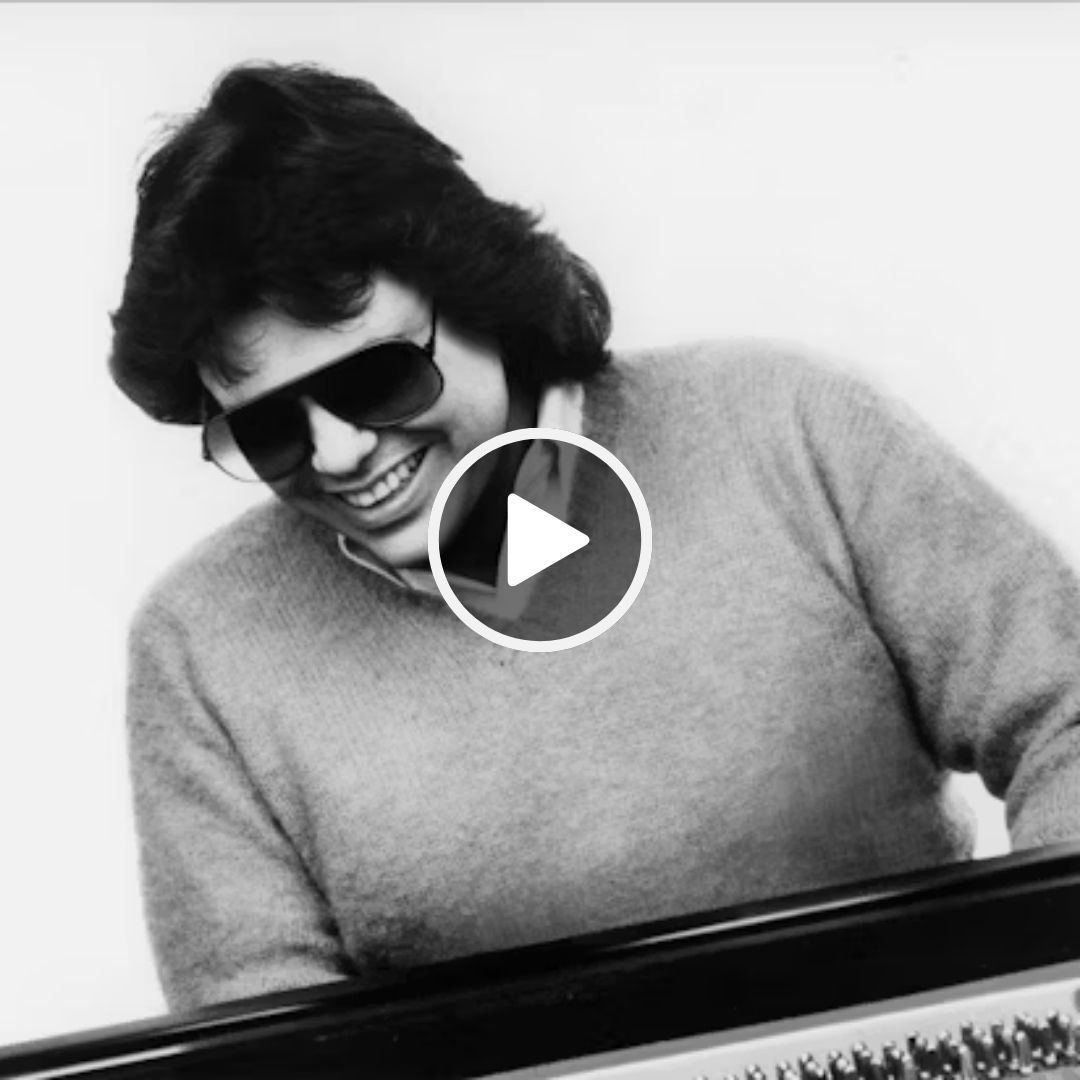
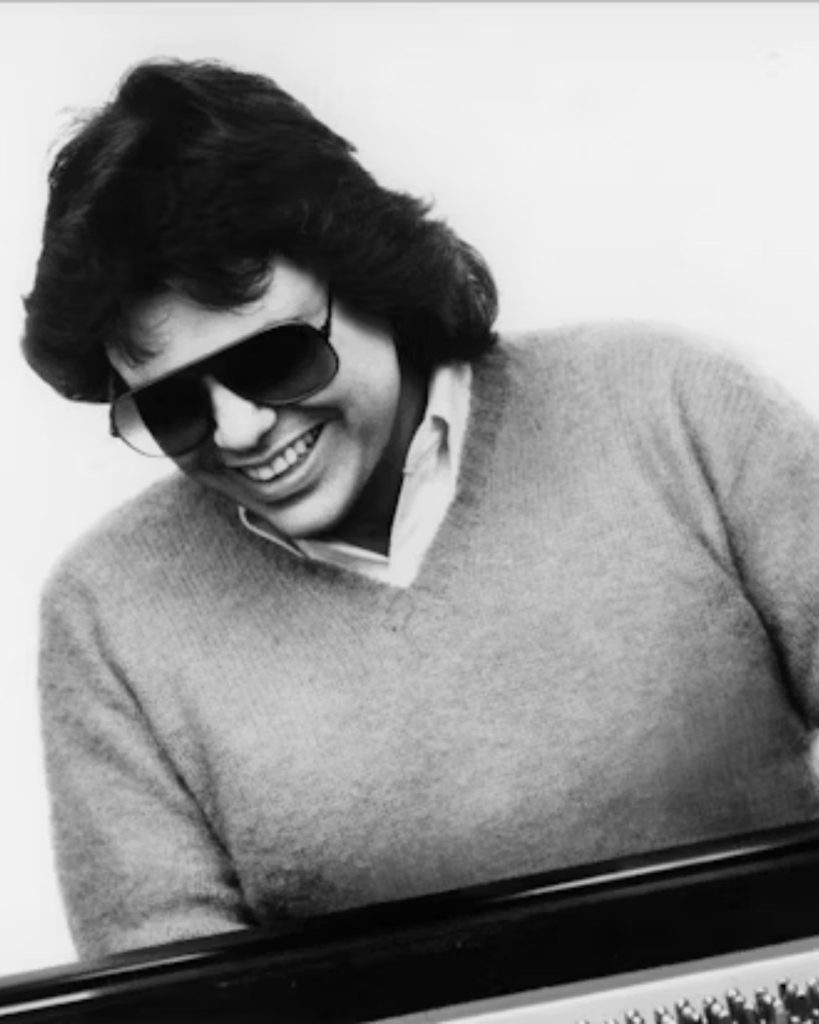
The song “I Wouldn’t Have Missed It for the World” carries with it a nostalgia that transports listeners back to the early 1980s, a time when the boundaries between country and pop music were increasingly blurred. This single by Ronnie Milsap not only showcases his unique blend of these genres but also marks a significant moment in his career, achieving tremendous success on various music charts.
About The Composition
- Title: I Wouldn’t Have Missed It for the World
- Composer: Songwriters Charles Quillen, Kye Fleming, and Dennis Morgan
- Premiere Date: Released in October 1981
- Album/Opus/Collection: From the album “There’s No Gettin’ Over Me”
- Genre: Country, with significant pop crossover elements
Background
This song was penned by a trio of songwriters—Charles Quillen, Kye Fleming, and Dennis Morgan—and recorded by Ronnie Milsap. Released during the peak of Milsap’s crossover success from country to pop, it became one of his most notable hits. It was produced by Milsap himself alongside Tom Collins, and is characteristic of the urban cowboy country music style that was popular during that era.
Musical Style
“I Wouldn’t Have Missed It for the World” features a rich composition that includes backing vocals, a harp, and acoustic guitar. Its chorus is particularly memorable, noted for its infectious nature that resonated widely with audiences, becoming a favorite in various social settings from dancehalls to casual gatherings.
Lyrics/Libretto
The song’s lyrics weave a narrative of cherishing memorable moments with a loved one, expressing a sentiment of deep appreciation and nostalgia. The heartfelt lyrics are well-complemented by the song’s melodic structure, enhancing the emotional impact of the music.
Performance History
Upon its release, the song quickly climbed the charts, securing the number one spot on the Billboard Hot Country Singles and reaching number twenty on the Billboard Hot 100. It also made significant impacts on the Adult Contemporary charts both in the U.S. and Canada.
Cultural Impact
The song’s blend of country and pop elements helped bridge the gap between these genres, contributing to the broader acceptance and popularity of crossover music during the 1980s. Its widespread appeal is evidenced by its regular play on music television networks and radio stations.
Legacy
“I Wouldn’t Have Missed It for the World” remains a significant part of Ronnie Milsap’s musical legacy, reflecting the peak of his career and his ability to cross musical boundaries. It continues to be celebrated as a classic, capturing the essence of an era in country music history.
Conclusion
Reflecting on “I Wouldn’t Have Missed It for the World,” it’s clear why this song holds a special place in the hearts of many. Its blend of lyrical depth and melodic charm offers a timeless quality that continues to resonate. For those new to Ronnie Milsap or seasoned listeners, revisiting this track is a reminder of the power of music to connect eras and emotions. I recommend listening to this classic to experience its enduring appeal firsthand.
Video
Lyrics
Our paths may never cross again
Maybe my heart will never mend
But I’m glad for all the good times
Cause you’ve brought me so much sunshine
And love was the best it’s ever been
I wouldn’t have missed it for the world
Wouldn’t have missed loving you girl
You’ve made my whole life worth while
With your smile
I wouldn’t trade one memory
‘Cause you mean too much to me (ooh, ooh, ooh)
Even though I lost you girl
I wouldn’t have missed it for the world
They say that all good things must end
Loves comes and goes just like the wind
You’ve got your dreams to follow
But if I had the chance tomorrow
You know I’d do it all again
I wouldn’t have missed it for the world
Wouldn’t have missed loving you girl (ooh, ooh, ooh)
You’ve made my whole life worth while
With your smile
I wouldn’t trade one memory
‘Cause you mean too much to me (ooh, ooh, ooh)
Even though I lost you girl
I wouldn’t have missed it for the world
Oh, I wouldn’t trade one memory
‘Cause you mean too much to me (ooh, ooh, ooh)
Even though I lost you girl
I wouldn’t have missed it for the world
I wouldn’t have missed it for the world
Wouldn’t have missed loving you girl (ooh, ooh, ooh)
You’ve made my whole life worth while
With your smile
Oh, I wouldn’t trade one memory