“Scroll down to the end of the article to listen to music.”

Introduction

I still remember the first time I heard Merle Haggard’s voice crackle through my grandpa’s old truck radio. It was a dusty summer day, and we were hauling hay down some backroad, the kind of scene Haggard himself might’ve sung about. When The Fightin’ Side of Me came on, Grandpa cranked the volume, tapped the steering wheel, and said, “This one’s got guts.” That moment stuck with me—not just because of the song’s bold swagger, but because it felt like a window into a time when folks weren’t afraid to say what they felt, right or wrong. Written in 1970, this tune’s got a story that’s as much about Haggard’s heart as it is about a divided America. Let’s dig into it.

About The Composition

  • Title: The Fightin’ Side of Me
  • Composer: Merle Haggard (written and performed with The Strangers)
  • Premiere Date: Released as a single in January 1970
  • Album/Opus/Collection: The lead single and title track from the album The Fightin’ Side of Me
  • Genre: Country (with a strong patriotic, traditional country flavor)

Background

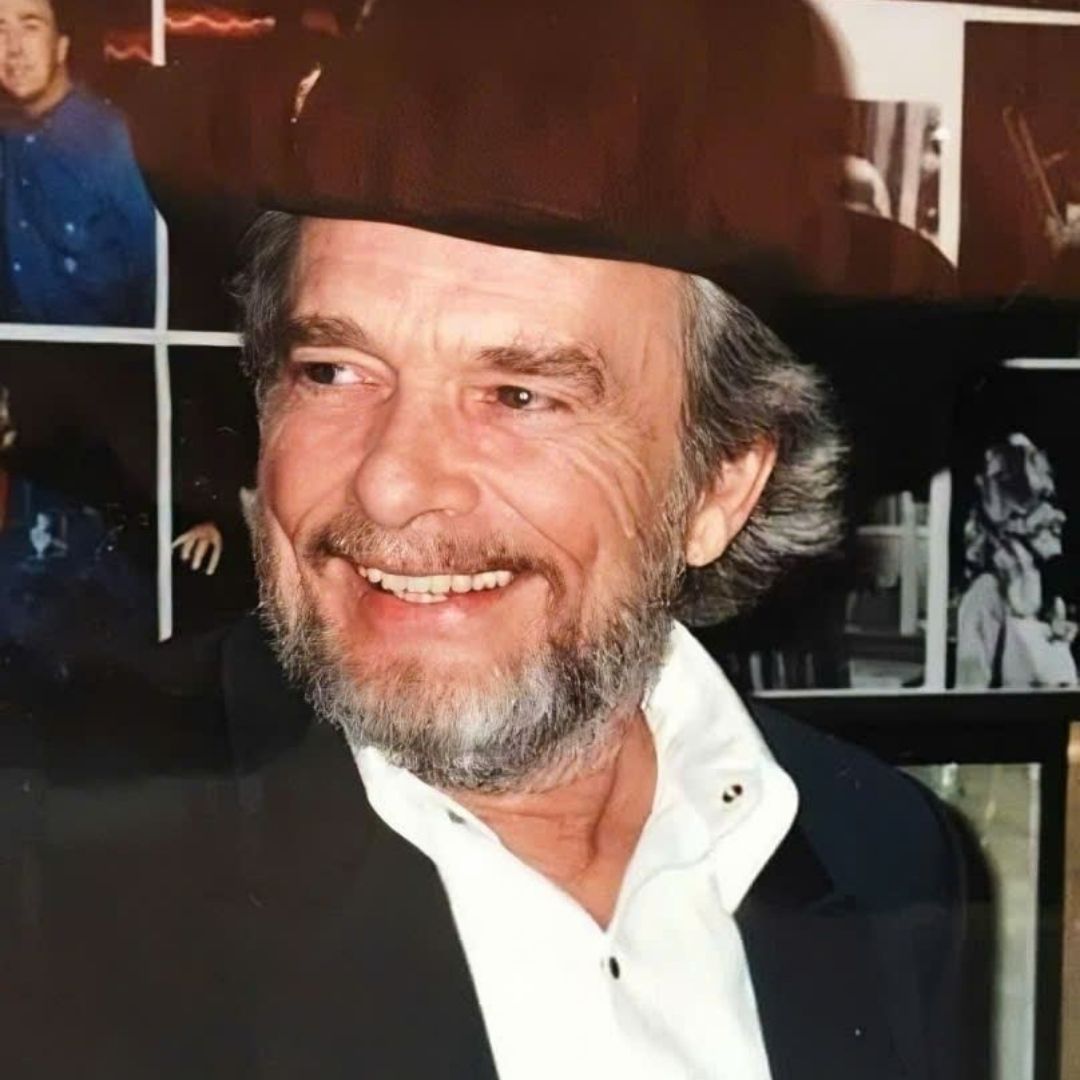
Picture Merle Haggard in late 1969, fresh off the wild success of Okie from Muskogee, a song that had folks cheering for small-town values while others picketed his shows. He wasn’t planning to double down on that vibe—actually, he wanted to pivot with Irma Jackson, a tender ballad about interracial love. But his label, Capitol Records, balked. They saw gold in his blue-collar, flag-waving image and nudged him toward something fiercer. So, Haggard sat down, fueled by frustration with Vietnam War protests and a deep love for the country he’d fought to understand after years in and out of trouble (including a stint in San Quentin). Out came The Fightin’ Side of Me—a gritty, unapologetic anthem born from a man who’d seen hard times and wasn’t about to let anyone trash the place that gave him a second chance.

It dropped in January 1970 and shot straight to No. 1 on the Billboard Hot Country Singles chart, holding the spot for three weeks. Fans loved it; it spoke to a working-class pride that felt under siege. Critics? Some called it jingoistic, a jab at the counterculture Haggard admitted “pissed him off.” In his catalog, it’s a cornerstone—right up there with Okie—cementing him as a voice for the “silent majority” of the era.

Musical Style

This isn’t a fancy composition—it’s pure, no-frills country. Think twangy steel guitar, a steady thump of bass, and drums that keep it marching forward like a determined heartbeat. Haggard and The Strangers kept it simple: a verse-chorus structure that doesn’t overthink itself, letting the lyrics do the heavy lifting. The instrumentation’s lean—guitar, fiddle, maybe a touch of piano—classic Bakersfield sound with that raw edge Haggard made his own. It’s not about flashy solos or tricky rhythms; it’s about delivering a message with a clenched fist and a steady gaze. The live version, recorded later that year in Philadelphia, adds a rowdy crowd’s energy, turning it into a rally cry. That simplicity? It’s what makes the song hit like a freight train—direct, unpolished, and real.

Lyrics/Libretto

The lyrics are where the fight lives. Haggard sings as a guy who’s fed up—fed up with “people talkin’ bad about the way we have to live here in this country,” griping about wars and ways of life he figures soldiers died for. Lines like “If you don’t love it, leave it” and “You’re walkin’ on the fightin’ side of me” aren’t subtle—they’re a warning, a line in the sand. The themes? Patriotism, sure, but also a rugged individualism, a defense of the underdog who’s proud of his roots. It’s less a love letter to America than a barroom challenge to anyone tearing it down. The music backs this up with a steady, defiant pulse—nothing flowery, just a growl that matches the words’ bite.

Performance History

The song debuted as a single, but its live version from the 1970 The Fightin’ Side of Me album—recorded in Philly—became iconic. You can hear the crowd roaring, feeding off Haggard’s energy, and it’s electric. It hit No. 1 fast, and stayed a staple in his sets, especially in the early ‘70s when Vietnam debates raged. Over time, it’s popped up in retrospectives and tribute shows, though its polarizing edge means it’s not always a universal crowd-pleaser. Still, for country fans, it’s a touchstone—a piece of Haggard’s legend that’s been covered by folks like Toby Keith, who dubbed it “the original Angry American song.” Its place in country’s canon? Undeniable, even if it’s a bit rough around the edges.

Cultural Impact

The Fightin’ Side of Me didn’t just ride the charts—it rode the zeitgeist. In 1970, America was split: hippies on one side, hardhats on the other, and Haggard’s song became a battle hymn for the latter. President Nixon sent him a fan letter, and he played the White House more than once. Beyond music, it’s echoed in political rhetoric—“love it or leave it” became a catchphrase for decades. You’ll hear its spirit in war movies or documentaries about Vietnam, even if the song itself doesn’t play. It’s a artifact of a time when country music took a stand, for better or worse, and shaped how people saw the genre—not just heartbreak, but backbone too.

Legacy

Here’s the thing: this song still stirs people up. It’s not some dusty relic; it’s a live wire. Today, it resonates with anyone who feels their way of life’s under attack—same as it did in ‘70. Haggard’s own views softened later (he even wrote a song for Hillary Clinton in 2008), but The Fightin’ Side of Me stands as a snapshot of his fire at that moment. It’s not his prettiest work, or his deepest, but it’s one of his truest. Performers still tackle it, audiences still cheer or jeer, and that’s its power—it doesn’t let you stay neutral. In country music, it’s a reminder that the genre’s got room for grit and guts, not just tears and beers.

Conclusion

I’ll be honest: this song’s not for everyone. It’s brash, it’s stubborn, and it doesn’t apologize. But that’s why I love it—it’s Merle Haggard at his most unguarded, singing what he felt in his bones. Whether you’re nodding along or shaking your head, it’s worth a listen to feel that raw pulse of 1970s America. Check out the live version from the The Fightin’ Side of Me album—crank it up and let the crowd’s roar pull you in. Or grab the studio cut for that pure, stripped-down punch. Either way, it’s a piece of history that still kicks. What do you think—does it fire you up or ruffle your feathers? Dive in and find out

Video

Lyrics

I hear people talkin’ bad about the way we have to live here in this country
Harpin’ on the wars we fight, an’ gripin’ ’bout the way things oughta be
An’ I don’t mind ’em switchin’ sides, an’ standin’ up for things they believe in
When they’re runnin’ down my country, man
They’re walkin’ on the fightin’ side of me
Yeah, walkin’ on the fightin’ side of me
Runnin’ down a way of life our fightin’ men have fought and died to keep
If you don’t love it, leave it
Let this song I’m singin’ be a warnin’
When you’re runnin’ down my country, man
You’re walkin’ on the fightin’ side of me
I read about some squirrely guy who claims he just don’t believe in fightin’
An’ I wonder just how long the rest of us can count on bein’ free
They love our milk an’ honey, but they preach about some other way of livin’
When they’re runnin’ down my country, hoss
They’re walkin’ on the fightin’ side of me
Yeah, walkin’ on the fightin’ side of me
Runnin’ down a way of life our fightin’ men have fought and died to keep
If you don’t love it, leave it
Let this song I’m singin’ be a warnin’
When you’re runnin’ down my country, man
You’re walkin’ on the fightin’ side of me
Yeah, walkin’ on the fightin’ side of me
Runnin’ down a way of life our fightin’ men have fought and died to keep
If you don’t love it, leave it
Let this song I’m singin’ be a warnin’
When you’re runnin’ down my country, man
You’re walkin’ on the fightin’ side of me

Related Post

THE DIVORCE WAS ALREADY FINAL. THEN GEORGE JONES AND TAMMY WYNETTE WALKED BACK INTO THE STUDIO AND SANG ABOUT A WEDDING RING THAT ENDED UP BACK IN A PAWN SHOP. By 1976, George Jones and Tammy Wynette were no longer country music’s perfect storm at home. The marriage had already broken. The fights, drinking, leaving, returning, and public pain had finally become legal fact. They divorced in 1975. But country radio was not finished with them. The song was “Golden Ring,” written by Bobby Braddock and Rafe Van Hoy. It did not need a complicated story. A ring sits in a pawn shop. A young couple buys it. They marry. The love dies. The ring ends up back where it started. By itself, it is just metal. Only love can make it mean anything. For almost any other duet pair, that would have been a sad country song. For George and Tammy, it sounded like somebody had put their marriage on the counter and asked them to sing over it. The record came out in May 1976, about fourteen months after their divorce. Fans heard the voices together and kept wanting the old story to repair itself. George later admitted he hated working with Tammy after the split because it brought back too many bad memories and made people think they were getting back together. But the song went to No. 1. The marriage was gone. The ring in the song had gone back to the pawn shop. And somehow, George Jones and Tammy Wynette turned the wreckage into one of the most painful duets country music ever sent to the top of the chart.

HE DID NOT WRITE HIS BIGGEST HIT. BUT DAVID ALLAN COE WAS THE ONE WHO TOLD STEVE GOODMAN IT WAS NOT COUNTRY ENOUGH. By 1975, David Allan Coe had already made Nashville nervous. He had the prison stories. The long hair. The rhinestone suits. The biker energy. The habit of walking into country music like he had come from somewhere the industry did not want to explain. He could write songs that Tanya Tucker took to No. 1. He could make Johnny Paycheck sound like a working man ready to burn the whole place down. But Coe still needed a hit with his own name on it. Then Steve Goodman brought him a song. It was called “You Never Even Called Me by My Name.” Goodman had written it with John Prine, though Prine did not want his name on the credit. The song sounded like a country record, but it was also laughing at country records — all the lonely men, the old heartbreak lines, the whiskey, the rain, the famous names, the desperate need to sound sad enough for a jukebox to believe you. Goodman thought he had written the perfect country-and-western song. Coe disagreed. On the spoken introduction to the record, Coe told the story his own way. He said he wrote Goodman back and explained that no song could call itself the perfect country song without a few things in it: mama, trains, trucks, prison, and getting drunk. Goodman took the challenge. He sent back one more verse. The new verse packed every one of those things into the same disaster — a drunk son, a mother getting out of prison, a pickup truck, a train, and a rainstorm. It was so overdone that it became brilliant. Not because it was realistic. Because it understood exactly how country music had built its own mythology. Coe did not write the song, but he knew how to make it his. When he recorded it for Once Upon a Rhyme, he did not sing it like a novelty act trying to get a laugh. He sang it with enough wounded pride that the joke had a bruise underneath it. He named Waylon Jennings, Charley Pride, Merle Haggard, and Faron Young inside the song’s world — then turned the whole thing into a barroom mirror held up to Nashville. Released in 1975, it became David Allan Coe’s first Top 10 country hit. David Allan Coe did not need to write “You Never Even Called Me by My Name” to own it. He only had to recognize that the joke was really about all of them.

THE SEAT WAS SUPPOSED TO BE WAYLON’S. HE GAVE IT AWAY TO A SICK MAN. HOURS LATER, THAT PLANE CRASHED — AND COUNTRY MUSIC GOT ONE OF ITS HEAVIEST SURVIVORS. Before Waylon Jennings became Waylon Jennings, he was Buddy Holly’s bass player. Not the outlaw yet. Not the black-hatted voice that would later push Nashville until the walls moved. Just a young Texas musician riding through the frozen Midwest on the Winter Dance Party tour, playing behind one of rock and roll’s brightest names, trying to keep up with a schedule that was already wearing everybody down. The buses were cold. The jumps between towns were brutal. Musicians were sick, tired, and half-frozen. Buddy Holly finally chartered a small plane after the Clear Lake, Iowa show, hoping to get ahead of the road for once. Waylon had a seat. Then J.P. Richardson — The Big Bopper — was sick and miserable from the flu. He did not want another long ride on that freezing bus. Waylon gave him his place on the plane. It sounded like a simple favor in the middle of a hard tour. A tired man needed the seat more. Waylon took the bus. Before they split, Buddy joked with him about the bus freezing up. Waylon joked back about the plane crashing. Then the plane went down. Buddy Holly died. Ritchie Valens died. The Big Bopper died. Pilot Roger Peterson died. Waylon Jennings lived because he had given away his seat — and carried the weight of that joke for the rest of his life. That kind of survival does not leave a man clean. Waylon went on, but not as somebody untouched by it. The road after Buddy Holly was not a straight line into stardom. There were years of trying, drifting, radio work, club work, label pressure, and Nashville trying to fit him into shapes he did not belong in. But something hard had already been burned into him. By the 1970s, Waylon stopped asking Nashville for permission to sound like himself. He fought for control, used his own band, cut records with the dirt still on them, and helped make outlaw country feel less like an image and more like a refusal. The seat he gave away did not make him famous. It left him alive. And years later, when that voice came out dark, stubborn, wounded, and impossible to polish, it sounded like a man who knew exactly how thin the line was between a bus ride and a funeral.

You Missed

THE DIVORCE WAS ALREADY FINAL. THEN GEORGE JONES AND TAMMY WYNETTE WALKED BACK INTO THE STUDIO AND SANG ABOUT A WEDDING RING THAT ENDED UP BACK IN A PAWN SHOP. By 1976, George Jones and Tammy Wynette were no longer country music’s perfect storm at home. The marriage had already broken. The fights, drinking, leaving, returning, and public pain had finally become legal fact. They divorced in 1975. But country radio was not finished with them. The song was “Golden Ring,” written by Bobby Braddock and Rafe Van Hoy. It did not need a complicated story. A ring sits in a pawn shop. A young couple buys it. They marry. The love dies. The ring ends up back where it started. By itself, it is just metal. Only love can make it mean anything. For almost any other duet pair, that would have been a sad country song. For George and Tammy, it sounded like somebody had put their marriage on the counter and asked them to sing over it. The record came out in May 1976, about fourteen months after their divorce. Fans heard the voices together and kept wanting the old story to repair itself. George later admitted he hated working with Tammy after the split because it brought back too many bad memories and made people think they were getting back together. But the song went to No. 1. The marriage was gone. The ring in the song had gone back to the pawn shop. And somehow, George Jones and Tammy Wynette turned the wreckage into one of the most painful duets country music ever sent to the top of the chart.

HE DID NOT WRITE HIS BIGGEST HIT. BUT DAVID ALLAN COE WAS THE ONE WHO TOLD STEVE GOODMAN IT WAS NOT COUNTRY ENOUGH. By 1975, David Allan Coe had already made Nashville nervous. He had the prison stories. The long hair. The rhinestone suits. The biker energy. The habit of walking into country music like he had come from somewhere the industry did not want to explain. He could write songs that Tanya Tucker took to No. 1. He could make Johnny Paycheck sound like a working man ready to burn the whole place down. But Coe still needed a hit with his own name on it. Then Steve Goodman brought him a song. It was called “You Never Even Called Me by My Name.” Goodman had written it with John Prine, though Prine did not want his name on the credit. The song sounded like a country record, but it was also laughing at country records — all the lonely men, the old heartbreak lines, the whiskey, the rain, the famous names, the desperate need to sound sad enough for a jukebox to believe you. Goodman thought he had written the perfect country-and-western song. Coe disagreed. On the spoken introduction to the record, Coe told the story his own way. He said he wrote Goodman back and explained that no song could call itself the perfect country song without a few things in it: mama, trains, trucks, prison, and getting drunk. Goodman took the challenge. He sent back one more verse. The new verse packed every one of those things into the same disaster — a drunk son, a mother getting out of prison, a pickup truck, a train, and a rainstorm. It was so overdone that it became brilliant. Not because it was realistic. Because it understood exactly how country music had built its own mythology. Coe did not write the song, but he knew how to make it his. When he recorded it for Once Upon a Rhyme, he did not sing it like a novelty act trying to get a laugh. He sang it with enough wounded pride that the joke had a bruise underneath it. He named Waylon Jennings, Charley Pride, Merle Haggard, and Faron Young inside the song’s world — then turned the whole thing into a barroom mirror held up to Nashville. Released in 1975, it became David Allan Coe’s first Top 10 country hit. David Allan Coe did not need to write “You Never Even Called Me by My Name” to own it. He only had to recognize that the joke was really about all of them.

THE SEAT WAS SUPPOSED TO BE WAYLON’S. HE GAVE IT AWAY TO A SICK MAN. HOURS LATER, THAT PLANE CRASHED — AND COUNTRY MUSIC GOT ONE OF ITS HEAVIEST SURVIVORS. Before Waylon Jennings became Waylon Jennings, he was Buddy Holly’s bass player. Not the outlaw yet. Not the black-hatted voice that would later push Nashville until the walls moved. Just a young Texas musician riding through the frozen Midwest on the Winter Dance Party tour, playing behind one of rock and roll’s brightest names, trying to keep up with a schedule that was already wearing everybody down. The buses were cold. The jumps between towns were brutal. Musicians were sick, tired, and half-frozen. Buddy Holly finally chartered a small plane after the Clear Lake, Iowa show, hoping to get ahead of the road for once. Waylon had a seat. Then J.P. Richardson — The Big Bopper — was sick and miserable from the flu. He did not want another long ride on that freezing bus. Waylon gave him his place on the plane. It sounded like a simple favor in the middle of a hard tour. A tired man needed the seat more. Waylon took the bus. Before they split, Buddy joked with him about the bus freezing up. Waylon joked back about the plane crashing. Then the plane went down. Buddy Holly died. Ritchie Valens died. The Big Bopper died. Pilot Roger Peterson died. Waylon Jennings lived because he had given away his seat — and carried the weight of that joke for the rest of his life. That kind of survival does not leave a man clean. Waylon went on, but not as somebody untouched by it. The road after Buddy Holly was not a straight line into stardom. There were years of trying, drifting, radio work, club work, label pressure, and Nashville trying to fit him into shapes he did not belong in. But something hard had already been burned into him. By the 1970s, Waylon stopped asking Nashville for permission to sound like himself. He fought for control, used his own band, cut records with the dirt still on them, and helped make outlaw country feel less like an image and more like a refusal. The seat he gave away did not make him famous. It left him alive. And years later, when that voice came out dark, stubborn, wounded, and impossible to polish, it sounded like a man who knew exactly how thin the line was between a bus ride and a funeral.

HE WAS STILL TRYING TO ESCAPE HIS FATHER’S SHADOW. THEN HE FELL 500 FEET OFF A MOUNTAIN — AND CAME BACK WITH A FACE COUNTRY MUSIC WOULD NEVER FORGET. Hank Williams Jr. was born with a name that did not feel like a gift. It felt like a job. His father was already a ghost bigger than most living men. Hank Williams had died when his son was still a child, but the voice, the songs, the hat, the legend — all of it stayed in the room. For years, Hank Jr. was pushed toward that shadow. Sing your father’s songs. Sound like your father. Stand where he stood. Carry the name without breaking it. By the mid-1970s, he was trying to become something else. The music was getting rougher. Southern rock was creeping in. Charlie Daniels, Toy Caldwell, Chuck Leavell — those kinds of players were around him. Hank Jr. was starting to hear a sound that did not belong completely to his father anymore. Then came August 8, 1975. He had gone to Montana after finishing work on an album. Up on Ajax Peak, the ground gave way beneath him. Hank Jr. slipped on an icy ledge and fell hundreds of feet down a jagged slope. By the time help reached him, the damage was brutal. His face and head were shattered. The young man who had spent his life being measured against another man’s image no longer even had his own face intact. The recovery was not a clean comeback montage. It was surgeries. Pain. Silence. Learning to live inside a body that had been broken open. Doctors worked to rebuild him. He had to fight his way back toward speech, toward singing, toward the stage. When he returned, he did not look like the old Hank Jr. The beard came. The dark glasses came. The hat stayed low. Some of it covered the scars. But after a while, it became more than hiding. It became armor. And the music changed with him. The man who came back from Ajax Peak was not interested in being polished into his father’s echo. He leaned harder into country rock, blues, honky-tonk, and outlaw attitude. “Family Tradition” did not run from the Williams name — it dragged that name into a fight and made it his own. “Whiskey Bent and Hell Bound,” “A Country Boy Can Survive,” and the rowdy anthems that followed turned him into something Nashville could not simply file under nostalgia. Before the fall, Hank Williams Jr. was still trying to prove he was not just Hank Williams’ son. After the fall, nobody could mistake him for anyone else.