“Scroll down to the end of the article to listen to music.”

Introduction

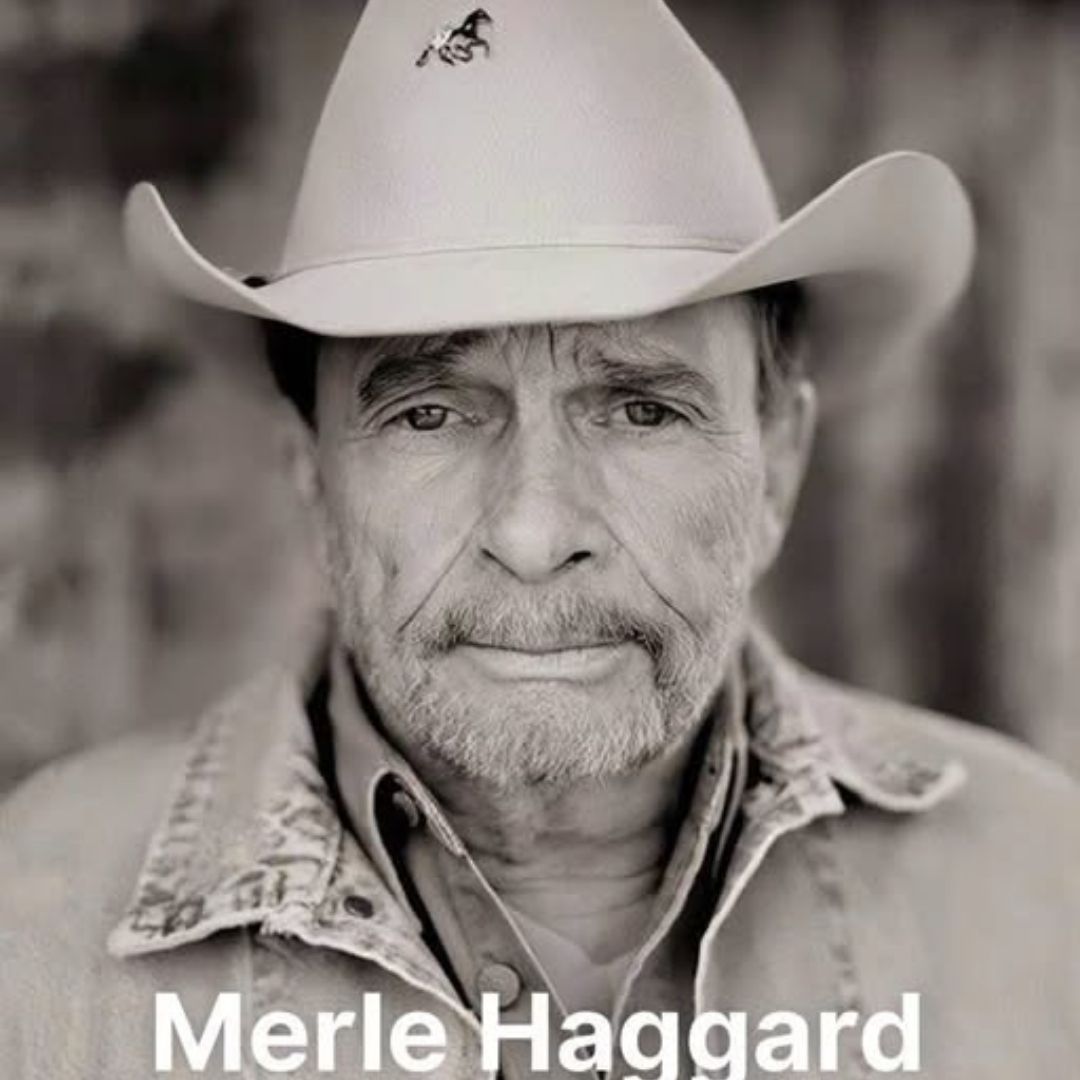
Growing up in a small town, I remember my father playing Merle Haggard’s Kern River on an old vinyl record player, the crackle of the needle blending with the song’s mournful twang. It wasn’t just music—it was a story that felt alive, a window into a place and a pain I didn’t yet understand. The song’s raw emotion, rooted in the dangerous waters of California’s Kern River, captured something universal about love, loss, and the landscapes that shape us. This article dives into the heart of Kern River, a country classic that continues to resonate decades after its release.

About The Composition

  • Title: Kern River
  • Composer: Merle Haggard
  • Premiere Date: July 1985
  • Album/Opus/Collection: Kern River (fortieth studio album)
  • Genre: Country, Bakersfield Sound

Background

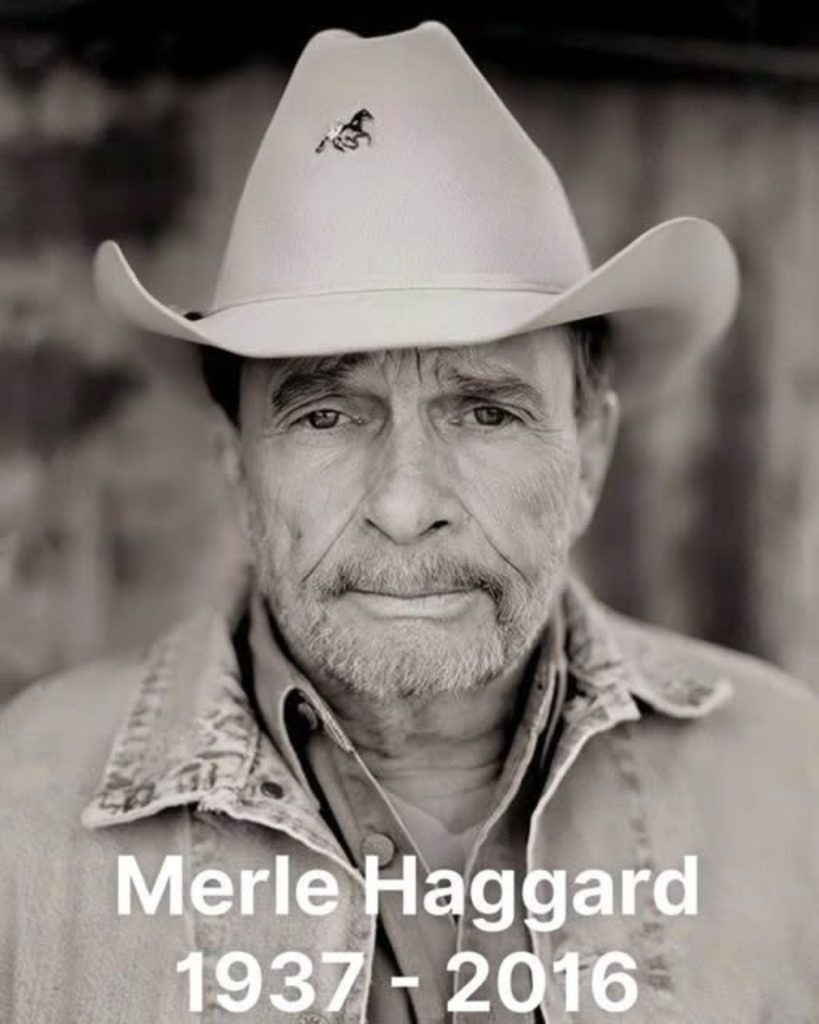
Kern River was written and recorded by Merle Haggard, backed by his band, The Strangers, and released as the title track and only single from his 1985 album Kern River. The song peaked at number 10 on the Billboard Hot Country Singles chart, a testament to its resonance with audiences. Haggard, a central figure in the Bakersfield Sound—a gritty, honky-tonk-driven subgenre of country music—drew inspiration from the real Kern River in California, known for its beauty and deadly currents. The song tells the fictional story of the narrator’s girlfriend drowning in the river, a tragedy that haunts him as he reflects on his youth. According to the 2013 biography Merle Haggard: The Running Kind by David Cantwell, the track is “a scary record” that “screamed quiet and startled you alive,” capturing its understated yet powerful emotional impact.

The song’s creation came at a time when Haggard’s relationship with his record label, CBS, was fraying. In his 1999 memoir My House of Memories, Haggard recounts a tense meeting where a label executive dismissed Kern River and suggested he consider songs by younger songwriters. Haggard’s fiery response—challenging the executive to play a guitar and sing his own song—underscored his confidence in the track and his frustration with industry pressures. Despite this, Kern River solidified Haggard’s reputation as a storyteller who could weave personal and regional identity into universal themes, cementing its place as a standout in his extensive catalog.

Musical Style

Kern River is a masterclass in the Bakersfield Sound, characterized by its raw, unpolished edge and twangy instrumentation. The song features a simple yet evocative arrangement: steel guitars, fiddles, and drums create a mournful backdrop, while Haggard’s baritone voice carries the weight of the narrative. The structure is classic country—verse-chorus with a steady, mid-tempo rhythm—but its emotional depth lies in its restraint. The instrumentation doesn’t overpower; instead, it complements the lyrics, letting the story breathe. Haggard’s vocal delivery, with its subtle cracks and weary tone, conveys a man haunted by memory, making the song feel like a confession. The use of minor chords and a sparse arrangement amplifies the sense of loss, creating a soundscape that mirrors the treacherous yet beautiful Kern River itself.

Lyrics/Libretto

The lyrics of Kern River are a poignant narrative of love and loss, told from the perspective of an older man reflecting on a tragedy from his youth. Key lines like “I’ll never swim Kern River again / It was there I first met her / It was there that I lost my best friend” encapsulate the dual role of the river as both a place of connection and destruction. The Kern River, a real and dangerous waterway in California with a death toll of over 335 since 1968, becomes a metaphor for life’s unpredictability and the permanence of grief. Haggard’s storytelling is vivid yet economical, painting a picture of a specific place—Bakersfield, California—while tapping into universal emotions. The refrain’s repetition reinforces the narrator’s resolve to never return, blending regret with survival. The lyrics’ simplicity, paired with their emotional weight, make the song a powerful elegy, as Emmylou Harris noted in a 2008 interview with The Sun, praising its ability to sum up “deep grief and loss so eloquently.”

Performance History

Since its release, Kern River has been a staple in country music circles, performed by Haggard in countless live shows until his death in 2016. Its raw honesty made it a fan favorite, often cited as one of his most affecting works. The song was covered by notable artists, including Dave Alvin on his 2006 album West of the West and Emmylou Harris on her 2008 album All I Intended to Be, both of whom brought their own interpretations while honoring Haggard’s original vision. Harris, a longtime admirer, called Haggard the quintessential voice of country music, a sentiment echoed in her heartfelt rendition. While Kern River may not have the same canonical status as classical masterpieces, its enduring presence in country music reflects its ability to connect with listeners across generations.

Cultural Impact

Kern River transcends its country roots, resonating as a cultural artifact of Bakersfield and the American West. The song’s evocation of the Kern River—a real place with a storied history of danger and beauty—has made it a touchstone for discussions about the region’s identity and environmental challenges. The river’s dry spells, addressed in Haggard’s later song Kern River Blues, inspired local advocacy efforts like “Bring Back the Kern,” which used art installations to raise awareness about restoring the river’s flow. Beyond music, Kern River has been referenced in literature and media exploring themes of loss and rural life, cementing its place in the broader cultural landscape. Its influence on subsequent country artists is evident in the continued emphasis on storytelling and regional pride in the genre.

Legacy

The enduring power of Kern River lies in its ability to capture the human condition—love, loss, and the passage of time—through a distinctly American lens. Decades after its release, it remains a poignant reminder of Merle Haggard’s genius as a songwriter and storyteller. The song’s relevance today is undiminished, speaking to anyone who has grappled with grief or the pull of a place that shaped them. Its covers by artists like Emmylou Harris and its influence on modern country ensure that Kern River continues to touch new audiences, while its ties to the real Kern River keep it grounded in a specific, living history.

Conclusion

Kern River is more than a song—it’s a journey into the heart of loss, told with a simplicity that cuts deep. As someone who first heard it through a father’s love for country music, I find its honesty both heartbreaking and healing. I encourage readers to listen to Merle Haggard’s original recording for its raw authenticity or explore Emmylou Harris’s haunting cover for a fresh perspective. Let the song wash over you like the river itself, and discover why it remains a timeless piece of American music.

Video

Lyrics

I’m leavin’ town tomorrow
Get my breakfast in the sky
Well, I’m leavin’ in the early morning
Eat my breakfast in the sky
Be a donut on a paper
Drink my coffee on the fly
I’m flying out on a jet plane
Gonna leave this town behind
I’m flying out on a jet plane
Gonna leave this town behind
They’ve done moved the city limits
Out by the county line
Put my head up to the window
Watch the city fade away
Put my head close to the window
Watch Oildale fade away
The blues back in the ‘30s
Just likе the blues today
Therе used to be a river here
Runnin’ deep and wide
Well, they used to have Kern River
Runnin’ deep and wide
Then somebody stole the water
Another politician lied
When you closed down all the honky tonks
The city died at night
When you closed down all the honky tonks
The city died at night
When it hurt somebody’s feelings
Well, a wrong ain’t never right
Well, I’m leaving town forever
Kiss an old boxcar goodbye
Well, I’m leaving town forever
Kiss an old boxcar goodbye
I dug my blues down in the river
But the old Kern River is dry

Related Post

THE SEAT WAS SUPPOSED TO BE WAYLON’S. HE GAVE IT AWAY TO A SICK MAN. HOURS LATER, THAT PLANE CRASHED — AND COUNTRY MUSIC GOT ONE OF ITS HEAVIEST SURVIVORS. Before Waylon Jennings became Waylon Jennings, he was Buddy Holly’s bass player. Not the outlaw yet. Not the black-hatted voice that would later push Nashville until the walls moved. Just a young Texas musician riding through the frozen Midwest on the Winter Dance Party tour, playing behind one of rock and roll’s brightest names, trying to keep up with a schedule that was already wearing everybody down. The buses were cold. The jumps between towns were brutal. Musicians were sick, tired, and half-frozen. Buddy Holly finally chartered a small plane after the Clear Lake, Iowa show, hoping to get ahead of the road for once. Waylon had a seat. Then J.P. Richardson — The Big Bopper — was sick and miserable from the flu. He did not want another long ride on that freezing bus. Waylon gave him his place on the plane. It sounded like a simple favor in the middle of a hard tour. A tired man needed the seat more. Waylon took the bus. Before they split, Buddy joked with him about the bus freezing up. Waylon joked back about the plane crashing. Then the plane went down. Buddy Holly died. Ritchie Valens died. The Big Bopper died. Pilot Roger Peterson died. Waylon Jennings lived because he had given away his seat — and carried the weight of that joke for the rest of his life. That kind of survival does not leave a man clean. Waylon went on, but not as somebody untouched by it. The road after Buddy Holly was not a straight line into stardom. There were years of trying, drifting, radio work, club work, label pressure, and Nashville trying to fit him into shapes he did not belong in. But something hard had already been burned into him. By the 1970s, Waylon stopped asking Nashville for permission to sound like himself. He fought for control, used his own band, cut records with the dirt still on them, and helped make outlaw country feel less like an image and more like a refusal. The seat he gave away did not make him famous. It left him alive. And years later, when that voice came out dark, stubborn, wounded, and impossible to polish, it sounded like a man who knew exactly how thin the line was between a bus ride and a funeral.

HE WAS STILL TRYING TO ESCAPE HIS FATHER’S SHADOW. THEN HE FELL 500 FEET OFF A MOUNTAIN — AND CAME BACK WITH A FACE COUNTRY MUSIC WOULD NEVER FORGET. Hank Williams Jr. was born with a name that did not feel like a gift. It felt like a job. His father was already a ghost bigger than most living men. Hank Williams had died when his son was still a child, but the voice, the songs, the hat, the legend — all of it stayed in the room. For years, Hank Jr. was pushed toward that shadow. Sing your father’s songs. Sound like your father. Stand where he stood. Carry the name without breaking it. By the mid-1970s, he was trying to become something else. The music was getting rougher. Southern rock was creeping in. Charlie Daniels, Toy Caldwell, Chuck Leavell — those kinds of players were around him. Hank Jr. was starting to hear a sound that did not belong completely to his father anymore. Then came August 8, 1975. He had gone to Montana after finishing work on an album. Up on Ajax Peak, the ground gave way beneath him. Hank Jr. slipped on an icy ledge and fell hundreds of feet down a jagged slope. By the time help reached him, the damage was brutal. His face and head were shattered. The young man who had spent his life being measured against another man’s image no longer even had his own face intact. The recovery was not a clean comeback montage. It was surgeries. Pain. Silence. Learning to live inside a body that had been broken open. Doctors worked to rebuild him. He had to fight his way back toward speech, toward singing, toward the stage. When he returned, he did not look like the old Hank Jr. The beard came. The dark glasses came. The hat stayed low. Some of it covered the scars. But after a while, it became more than hiding. It became armor. And the music changed with him. The man who came back from Ajax Peak was not interested in being polished into his father’s echo. He leaned harder into country rock, blues, honky-tonk, and outlaw attitude. “Family Tradition” did not run from the Williams name — it dragged that name into a fight and made it his own. “Whiskey Bent and Hell Bound,” “A Country Boy Can Survive,” and the rowdy anthems that followed turned him into something Nashville could not simply file under nostalgia. Before the fall, Hank Williams Jr. was still trying to prove he was not just Hank Williams’ son. After the fall, nobody could mistake him for anyone else.

BEFORE NASHVILLE EVER CALLED HIM A SONGWRITER, DAVID ALLAN COE HAD ALREADY WRITTEN SONGS BEHIND BARS. David Allan Coe did not walk into country music looking clean. He came from Akron, Ohio, with a past that followed him like a file folder nobody wanted to open. Reform schools. Trouble. Prison time. Years spent living on the wrong side of every respectable door. Before Nashville knew his name, Coe had already learned how a man sounds when he is locked up with nothing but memory, anger, and a song that will not leave him alone. He was not the kind of artist Nashville liked to introduce politely. When he came out, he did not soften himself into something easy to sell. The hair was long. The clothes were loud. The attitude was half-biker, half-rhinestone cowboy, and all outsider. He looked like a man who had brought the parking lot into the studio. In 1973, Tanya Tucker took “Would You Lay With Me (In a Field of Stone)” to No. 1. She was still a teenager, but the song sounded older than her years — tender, strange, almost like a graveyard promise dressed as a love song. Coe had written it, and suddenly the man with the prison past had a song sitting at the top of the country chart. Then Johnny Paycheck cut “Take This Job and Shove It.” That one did not sound tender. It sounded like a work boot kicking a factory door open. Released in 1977, it became Paycheck’s signature hit, a blue-collar line people could yell when they did not have the nerve to say it for real. Coe wrote the sentence. Paycheck made it famous. America did the rest. For a moment, Nashville had a problem. The man they could not clean up kept handing them songs they could not throw away. Coe tried to stand in the spotlight himself, too. “You Never Even Called Me by My Name” made him a cult hero. “Longhaired Redneck” sounded like a challenge. “The Ride” turned a ghost story with Hank Williams into one of his most lasting records. He was funny, mean, wounded, theatrical, and sometimes impossible to defend. That was the thing with David Allan Coe — the legend never came without the trouble attached. He was not merely playing outlaw. He had lived enough damage that the image did not feel like costume. But the same wildness that made him believable also kept him dangerous. His career never settled into one clean legacy. There were hits. There were controversies. There were loyal fans who swore he was one of the rawest songwriters country ever had. There were others who could not separate the music from the mess around it. Maybe that is why Coe never fit safely inside Nashville history. He wrote songs too strong to erase. And lived a life too jagged to polish.

You Missed

THE SEAT WAS SUPPOSED TO BE WAYLON’S. HE GAVE IT AWAY TO A SICK MAN. HOURS LATER, THAT PLANE CRASHED — AND COUNTRY MUSIC GOT ONE OF ITS HEAVIEST SURVIVORS. Before Waylon Jennings became Waylon Jennings, he was Buddy Holly’s bass player. Not the outlaw yet. Not the black-hatted voice that would later push Nashville until the walls moved. Just a young Texas musician riding through the frozen Midwest on the Winter Dance Party tour, playing behind one of rock and roll’s brightest names, trying to keep up with a schedule that was already wearing everybody down. The buses were cold. The jumps between towns were brutal. Musicians were sick, tired, and half-frozen. Buddy Holly finally chartered a small plane after the Clear Lake, Iowa show, hoping to get ahead of the road for once. Waylon had a seat. Then J.P. Richardson — The Big Bopper — was sick and miserable from the flu. He did not want another long ride on that freezing bus. Waylon gave him his place on the plane. It sounded like a simple favor in the middle of a hard tour. A tired man needed the seat more. Waylon took the bus. Before they split, Buddy joked with him about the bus freezing up. Waylon joked back about the plane crashing. Then the plane went down. Buddy Holly died. Ritchie Valens died. The Big Bopper died. Pilot Roger Peterson died. Waylon Jennings lived because he had given away his seat — and carried the weight of that joke for the rest of his life. That kind of survival does not leave a man clean. Waylon went on, but not as somebody untouched by it. The road after Buddy Holly was not a straight line into stardom. There were years of trying, drifting, radio work, club work, label pressure, and Nashville trying to fit him into shapes he did not belong in. But something hard had already been burned into him. By the 1970s, Waylon stopped asking Nashville for permission to sound like himself. He fought for control, used his own band, cut records with the dirt still on them, and helped make outlaw country feel less like an image and more like a refusal. The seat he gave away did not make him famous. It left him alive. And years later, when that voice came out dark, stubborn, wounded, and impossible to polish, it sounded like a man who knew exactly how thin the line was between a bus ride and a funeral.

HE WAS STILL TRYING TO ESCAPE HIS FATHER’S SHADOW. THEN HE FELL 500 FEET OFF A MOUNTAIN — AND CAME BACK WITH A FACE COUNTRY MUSIC WOULD NEVER FORGET. Hank Williams Jr. was born with a name that did not feel like a gift. It felt like a job. His father was already a ghost bigger than most living men. Hank Williams had died when his son was still a child, but the voice, the songs, the hat, the legend — all of it stayed in the room. For years, Hank Jr. was pushed toward that shadow. Sing your father’s songs. Sound like your father. Stand where he stood. Carry the name without breaking it. By the mid-1970s, he was trying to become something else. The music was getting rougher. Southern rock was creeping in. Charlie Daniels, Toy Caldwell, Chuck Leavell — those kinds of players were around him. Hank Jr. was starting to hear a sound that did not belong completely to his father anymore. Then came August 8, 1975. He had gone to Montana after finishing work on an album. Up on Ajax Peak, the ground gave way beneath him. Hank Jr. slipped on an icy ledge and fell hundreds of feet down a jagged slope. By the time help reached him, the damage was brutal. His face and head were shattered. The young man who had spent his life being measured against another man’s image no longer even had his own face intact. The recovery was not a clean comeback montage. It was surgeries. Pain. Silence. Learning to live inside a body that had been broken open. Doctors worked to rebuild him. He had to fight his way back toward speech, toward singing, toward the stage. When he returned, he did not look like the old Hank Jr. The beard came. The dark glasses came. The hat stayed low. Some of it covered the scars. But after a while, it became more than hiding. It became armor. And the music changed with him. The man who came back from Ajax Peak was not interested in being polished into his father’s echo. He leaned harder into country rock, blues, honky-tonk, and outlaw attitude. “Family Tradition” did not run from the Williams name — it dragged that name into a fight and made it his own. “Whiskey Bent and Hell Bound,” “A Country Boy Can Survive,” and the rowdy anthems that followed turned him into something Nashville could not simply file under nostalgia. Before the fall, Hank Williams Jr. was still trying to prove he was not just Hank Williams’ son. After the fall, nobody could mistake him for anyone else.

BEFORE NASHVILLE EVER CALLED HIM A SONGWRITER, DAVID ALLAN COE HAD ALREADY WRITTEN SONGS BEHIND BARS. David Allan Coe did not walk into country music looking clean. He came from Akron, Ohio, with a past that followed him like a file folder nobody wanted to open. Reform schools. Trouble. Prison time. Years spent living on the wrong side of every respectable door. Before Nashville knew his name, Coe had already learned how a man sounds when he is locked up with nothing but memory, anger, and a song that will not leave him alone. He was not the kind of artist Nashville liked to introduce politely. When he came out, he did not soften himself into something easy to sell. The hair was long. The clothes were loud. The attitude was half-biker, half-rhinestone cowboy, and all outsider. He looked like a man who had brought the parking lot into the studio. In 1973, Tanya Tucker took “Would You Lay With Me (In a Field of Stone)” to No. 1. She was still a teenager, but the song sounded older than her years — tender, strange, almost like a graveyard promise dressed as a love song. Coe had written it, and suddenly the man with the prison past had a song sitting at the top of the country chart. Then Johnny Paycheck cut “Take This Job and Shove It.” That one did not sound tender. It sounded like a work boot kicking a factory door open. Released in 1977, it became Paycheck’s signature hit, a blue-collar line people could yell when they did not have the nerve to say it for real. Coe wrote the sentence. Paycheck made it famous. America did the rest. For a moment, Nashville had a problem. The man they could not clean up kept handing them songs they could not throw away. Coe tried to stand in the spotlight himself, too. “You Never Even Called Me by My Name” made him a cult hero. “Longhaired Redneck” sounded like a challenge. “The Ride” turned a ghost story with Hank Williams into one of his most lasting records. He was funny, mean, wounded, theatrical, and sometimes impossible to defend. That was the thing with David Allan Coe — the legend never came without the trouble attached. He was not merely playing outlaw. He had lived enough damage that the image did not feel like costume. But the same wildness that made him believable also kept him dangerous. His career never settled into one clean legacy. There were hits. There were controversies. There were loyal fans who swore he was one of the rawest songwriters country ever had. There were others who could not separate the music from the mess around it. Maybe that is why Coe never fit safely inside Nashville history. He wrote songs too strong to erase. And lived a life too jagged to polish.

HE TURNED A WORKING MAN’S ANGER INTO A COUNTRY ANTHEM. EIGHT YEARS LATER, JOHNNY PAYCHECK WAS STANDING IN AN OHIO BAR WITH A PISTOL IN HIS HAND. Before the prison sentence, before the headlines, Johnny Paycheck had already made himself sound dangerous. He was born Donald Eugene Lytle in Ohio, came up rough, played bars young, drifted through clubs, and learned country music from the hard end of the room. He had sung behind other people. He had written songs. He had tasted success, lost control, and come back more than once. By the late 1970s, he had the song that would follow him forever. “Take This Job and Shove It” was written by David Allan Coe, but Johnny Paycheck sang it like a man already halfway out the door. Released in 1977, it became more than a hit. It became a blue-collar threat said out loud — the sentence every tired worker wanted to say to a boss but usually swallowed instead. For a while, that song made Paycheck feel bigger than trouble. Then came December 19, 1985. Paycheck was back in Ohio, near home, visiting his sick mother during the holidays. That night, he walked into the North High Lounge in Hillsboro. It was not a stage. It was not a television set. It was a small-town bar, the kind of place where a country star could still end up shoulder to shoulder with regular men, old grudges, loose talk, and too much alcohol in the air. An argument started. The details got fought over later. Paycheck claimed he acted in self-defense. Prosecutors saw it differently. What no one could erase was the gun. Paycheck pulled a .22-caliber pistol and shot Larry Wise. The bullet grazed Wise’s head. Wise lived. The story did not. The man who had sung “Take this job and shove it” was suddenly not just the voice of rebellion. He was a defendant. The case dragged on through appeals. In 1989, the road finally ran out. Johnny Paycheck was sent to prison in Ohio. The outlaw image that had helped sell records had turned into a cell door closing behind him. He served his time and came out changed. Cleaner, quieter, more religious by many accounts. He returned to stages, but the old fire carried a different shadow after that. In 1997, the Grand Ole Opry made him a member — a strange, late kind of forgiveness from the same country world that had watched him nearly destroy himself. Johnny Paycheck did not write the line that made him famous. But he lived close enough to it that people believed him when he sang it.