“Scroll down to the end of the article to listen to music.”

Introduction

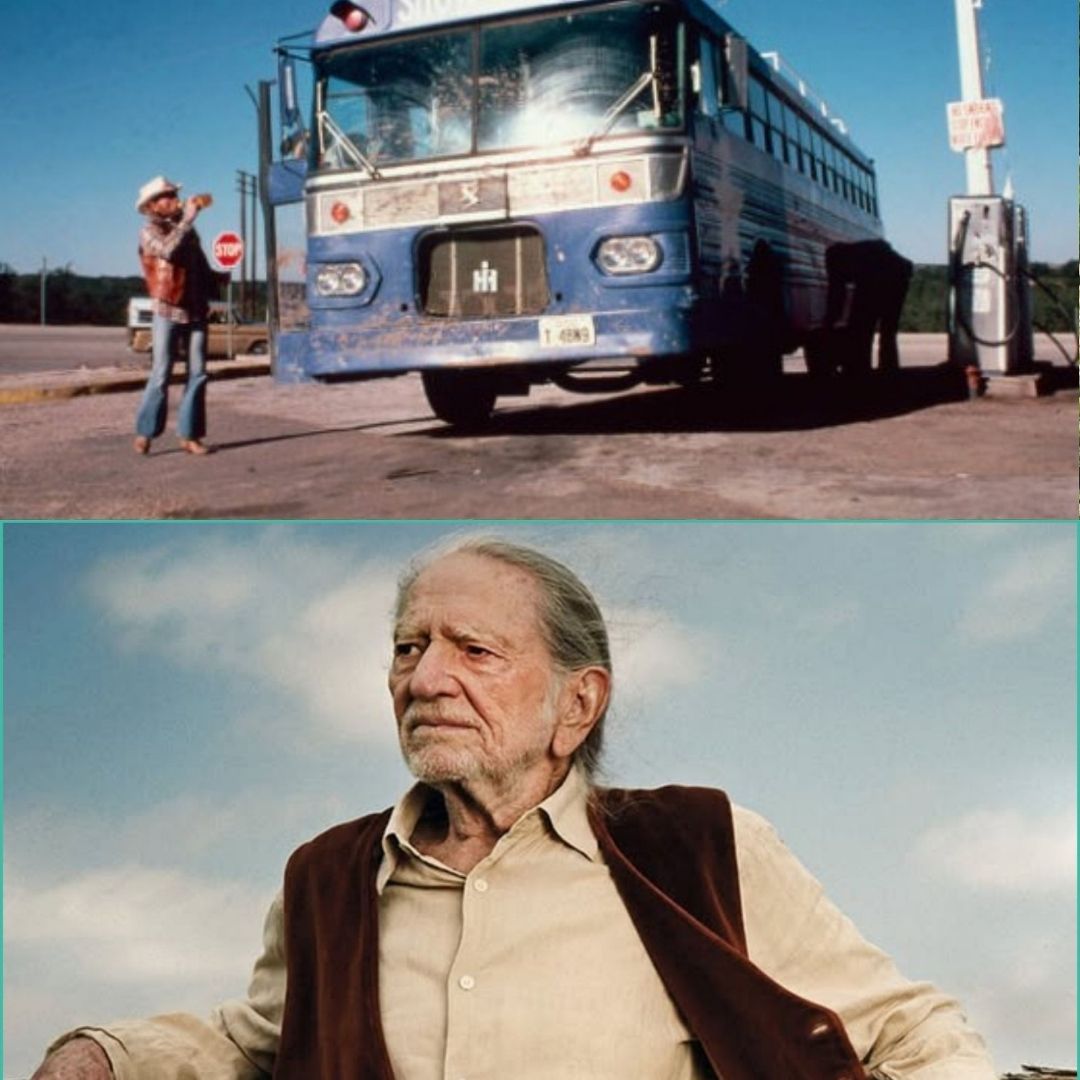
There’s a special kind of thrill that pulses through your veins when the wheels of the tour bus start rolling again—the scent of diesel and freedom mingling in the air. Willie Nelson knew that feeling better than most. In fact, the story goes that when the producers of Honeysuckle Rose asked him to write a song about life on the road, he grabbed a barf bag from an airplane seat pocket and scribbled the lyrics in one go. What he created wasn’t just a song—it was an anthem. And just like that, “On the Road Again” was born, capturing the restless soul of a man who belonged to the highway.

About The Composition

  • Title: On the Road Again

  • Composer: Willie Nelson

  • Premiere Date: 1980

  • Album: Honeysuckle Rose (Soundtrack)

  • Genre: Country

Background

Willie Nelson wrote On the Road Again for the 1980 film Honeysuckle Rose, in which he also starred. The song was composed in response to a request from the film’s executive producer, who needed a tune reflecting the lifestyle of a touring musician. Nelson’s spontaneous composition not only perfectly fit the spirit of the film but also became one of his most iconic songs. It reached No. 1 on the Billboard Hot Country Songs chart and even earned Nelson a Grammy Award for Best Country Song. What’s remarkable is how effortlessly it encapsulates a lifestyle—one that’s grueling yet gloriously free.

Musical Style

Musically, On the Road Again is classic Willie Nelson: a seamless blend of country with elements of folk and Americana. It’s upbeat, driven by a simple but effective rhythm guitar line, and accompanied by harmonica and steady percussion. The structure is straightforward—no frills, just an infectious melody that mirrors the steady churn of tires on pavement. Nelson’s unique phrasing and nasal vocal tone bring a sense of intimacy, as though he’s sitting next to you, telling his story.

Lyrics/Libretto

The lyrics are disarmingly simple, but that’s their genius. Lines like “Goin’ places that I’ve never been / Seein’ things that I may never see again” tap into a universal yearning for exploration and renewal. It’s not just about touring—it’s about life in motion. For musicians, it’s an ode to camaraderie and the magnetic pull of performing. For the rest of us, it’s a reminder that joy can be found in movement, in beginnings, in chasing the horizon.

Performance History

On the Road Again became a staple in Nelson’s concerts almost immediately. Its popularity spread beyond country audiences, turning it into a crossover success. Over the decades, it has been covered by artists across genres, featured in countless films, commercials, and TV shows, and remains one of the most requested tracks at his live shows. The performance of this song often marks a high point—a moment of collective nostalgia and wanderlust shared between Nelson and his fans.

Cultural Impact

Few songs capture the spirit of a lifestyle as vividly as On the Road Again. It became more than just a track on a soundtrack—it became a cultural signpost. Used in political campaigns, road trip playlists, and even classroom singalongs, the song’s reach is staggering. It’s been parodied, celebrated, and memorialized as a touchstone for the American dream of freedom and mobility. In 2020, it even found new life during the pandemic, used in PSA campaigns to promote safe behavior during uncertain travels.

Legacy

Over four decades later, On the Road Again still resonates. It’s a piece of living Americana, one that reflects Willie Nelson’s enduring influence as both a musical legend and a symbol of life lived on one’s own terms. Whether you’re a lifelong fan or a new listener, the song speaks to something timeless: the thrill of the journey, the joy of the open road, and the comfort of returning to what you love most.

Conclusion

On the Road Again isn’t just a song—it’s a companion. It rolls beside us on long drives, plays in our minds when we board planes, and reminds us that movement often brings clarity. If you haven’t heard it in a while, give it another listen—maybe start with the original studio version from Honeysuckle Rose, then find a live cut from one of Willie’s concerts. You’ll see how, even after all these years, it still has the power to make your heart crave the horizon.

Let’s get back on the road.

Video

Lyrics

Thank you
On the road again
I just can’t wait to get on the road again
The life I love is making music with my friends
And I can’t wait to get on the road again
On the road again
Goin’ places that I’ve never been
Seein’ things that I may never see again
And I can’t wait to get on the road again
Everybody sing
On the road again
Like a band o’ gypsies, we go down the highway
We’re the best of friends
Insisting that the world keep turning our way
And our way
Is on the road again
I just can’t wait to get on the road again
The life I love is makin’ music with my friends
And I can’t wait to get on the road again
On the road again
Like a band o’ gypsies, we go down the highway
We’re the best of friends
Insisting that the world keep turning our way
And our way
Is on the road again
Just can’t wait to get on the road again
The life I love is makin’ music with my friends
And I can’t wait to get on the road again
I can’t wait to get on the road again
I hear you, thank you very much

Related Post

HE WAS NOT IN PRISON THAT MORNING. BUT WHEN JOHNNY CASH WALKED THROUGH THE GATES OF FOLSOM ON JANUARY 13, 1968, HE WAS CLOSER TO THOSE MEN THAN NASHVILLE WANTED TO ADMIT. Johnny Cash had been singing about Folsom Prison long before he stood inside it. “Folsom Prison Blues” came out in the 1950s, when Cash was still becoming the black-suited figure America would later turn into a myth. The song made him sound like a man behind bars, even though Cash himself had never served a long prison sentence. That was always part of the strange power of him. He could sing guilt so plainly that people believed he had lived every inch of it. By the mid-1960s, the myth had started to crack. Cash was fighting amphetamines. Shows became messy. Arrests followed him. His marriage was collapsing. His career was no longer climbing cleanly; it was dragging itself through bad nights, missed chances, and a reputation that looked less like outlaw romance and more like a man losing control. But prisoners kept writing to him. They heard something in that voice that did not sound like judgment. Cash had played prison shows before, but he wanted more than a visit. He wanted to record inside a prison, with the noise, the nerves, the laughter, the guards, and the inmates all left in the room. On January 13, 1968, he walked into Folsom State Prison in California. The audience was not polite Nashville. It was men in prison clothes, watched by armed guards, listening to a singer who understood the difference between being guilty and being thrown away. Cash did not soften the room. He opened with the song that had brought him there. The prison answered him. The jokes hit harder. The applause felt dangerous. Every line about trains, chains, murder, regret, and freedom had a different weight inside those walls. Producer Bob Johnston captured it, and when the recordings were shaped into At Folsom Prison, the album did not feel like a concert souvenir. It felt like a door kicked open. The record came out in May 1968. Suddenly, Johnny Cash was not just an old hitmaker trying to survive the decade. He was back at the center of American music. The album shot to the top of the country charts, crossed into the pop world, and turned the prison stage into the place where Cash’s damaged image became powerful again. He did not clean himself up first and then return as a safe man. He walked into Folsom carrying the wreckage with him, sang to men who knew something about wreckage, and came out with the sound that made the whole country listen again.

BOBBY BARE’S OFFICE WAS NOT SUPPOSED TO BE THE FIRST DOOR INTO OUTLAW COUNTRY. BUT IN 1968, A DAMAGED-HAND TEXAS SONGWRITER WALKED IN THERE AND LEFT WITH $50 A WEEK. Before Waylon Jennings built an album around his songs, Billy Joe Shaver was still trying to get somebody in Nashville to listen. He had already worked rodeo jobs, joined the Navy young, done hard labor, and lost most of two fingers on his right hand in a sawmill. The hand was damaged before the songs ever reached the men who would make them famous. He did not come into town clean. He came in broke, stubborn, and carrying songs that sounded like they had been dragged across Texas gravel. Nashville was not waiting on him. Then Billy Joe found his way into Bobby Bare’s office in 1968. Bare already had “Detroit City.” He already knew what a real country story sounded like when it walked in rough. Billy Joe convinced him to listen. Bare gave him a songwriting job for $50 a week. It was not fame. It was not security. But it put Billy Joe inside the room. From there, the songs started moving. Kris Kristofferson cut “Good Christian Soldier.” Tom T. Hall recorded his work. Waylon Jennings later heard enough to build *Honky Tonk Heroes* around him. Elvis Presley eventually recorded “You Asked Me To.” Before outlaw country became a word people sold on posters, one of its main writers was just a scarred-up Texas man sitting in Bobby Bare’s office, getting his first real chance for fifty dollars a week.

“WHISKEY RIVER” WAS CLIMBING THE CHARTS WHEN JOHNNY BUSH’S OWN THROAT STARTED CLOSING ON HIM. Before Willie Nelson turned “Whiskey River” into a nightly ritual, it belonged to Johnny Bush. Bush had come out of Houston and San Antonio honky-tonks, played drums, worked around Ray Price and Willie, and carried a voice so big people called him the Country Caruso. In Texas, he was not some polished visitor. He was part of the room. By 1972, RCA had him. Chet Atkins’ Nashville division was behind him. “Whiskey River” was moving on radio, and Johnny Bush looked like he was finally crossing from Texas favorite into national country star. Then the thing that made him valuable started betraying him. The high notes quit coming clean. His throat tightened. His range fell apart. Some nights he could barely sing. Some days he could barely talk. Doctors missed it for years. RCA dropped him in 1974. The career that had been rising behind “Whiskey River” started sinking while Willie Nelson took the same song and made it one of the most recognizable openings in country music. In 1978, Bush finally learned the name of what had been stealing his voice: spasmodic dysphonia, a rare neurological disorder that causes involuntary spasms in the vocal cords. Later, vocal work and Botox treatments helped him sing again. He returned older, rougher, and more Texas than ever. But the cruel part stayed simple. Johnny Bush wrote the river that Willie rode for decades — and right when the water started rising for him, his own voice nearly drowned.

You Missed

HE WAS NOT IN PRISON THAT MORNING. BUT WHEN JOHNNY CASH WALKED THROUGH THE GATES OF FOLSOM ON JANUARY 13, 1968, HE WAS CLOSER TO THOSE MEN THAN NASHVILLE WANTED TO ADMIT. Johnny Cash had been singing about Folsom Prison long before he stood inside it. “Folsom Prison Blues” came out in the 1950s, when Cash was still becoming the black-suited figure America would later turn into a myth. The song made him sound like a man behind bars, even though Cash himself had never served a long prison sentence. That was always part of the strange power of him. He could sing guilt so plainly that people believed he had lived every inch of it. By the mid-1960s, the myth had started to crack. Cash was fighting amphetamines. Shows became messy. Arrests followed him. His marriage was collapsing. His career was no longer climbing cleanly; it was dragging itself through bad nights, missed chances, and a reputation that looked less like outlaw romance and more like a man losing control. But prisoners kept writing to him. They heard something in that voice that did not sound like judgment. Cash had played prison shows before, but he wanted more than a visit. He wanted to record inside a prison, with the noise, the nerves, the laughter, the guards, and the inmates all left in the room. On January 13, 1968, he walked into Folsom State Prison in California. The audience was not polite Nashville. It was men in prison clothes, watched by armed guards, listening to a singer who understood the difference between being guilty and being thrown away. Cash did not soften the room. He opened with the song that had brought him there. The prison answered him. The jokes hit harder. The applause felt dangerous. Every line about trains, chains, murder, regret, and freedom had a different weight inside those walls. Producer Bob Johnston captured it, and when the recordings were shaped into At Folsom Prison, the album did not feel like a concert souvenir. It felt like a door kicked open. The record came out in May 1968. Suddenly, Johnny Cash was not just an old hitmaker trying to survive the decade. He was back at the center of American music. The album shot to the top of the country charts, crossed into the pop world, and turned the prison stage into the place where Cash’s damaged image became powerful again. He did not clean himself up first and then return as a safe man. He walked into Folsom carrying the wreckage with him, sang to men who knew something about wreckage, and came out with the sound that made the whole country listen again.

BOBBY BARE’S OFFICE WAS NOT SUPPOSED TO BE THE FIRST DOOR INTO OUTLAW COUNTRY. BUT IN 1968, A DAMAGED-HAND TEXAS SONGWRITER WALKED IN THERE AND LEFT WITH $50 A WEEK. Before Waylon Jennings built an album around his songs, Billy Joe Shaver was still trying to get somebody in Nashville to listen. He had already worked rodeo jobs, joined the Navy young, done hard labor, and lost most of two fingers on his right hand in a sawmill. The hand was damaged before the songs ever reached the men who would make them famous. He did not come into town clean. He came in broke, stubborn, and carrying songs that sounded like they had been dragged across Texas gravel. Nashville was not waiting on him. Then Billy Joe found his way into Bobby Bare’s office in 1968. Bare already had “Detroit City.” He already knew what a real country story sounded like when it walked in rough. Billy Joe convinced him to listen. Bare gave him a songwriting job for $50 a week. It was not fame. It was not security. But it put Billy Joe inside the room. From there, the songs started moving. Kris Kristofferson cut “Good Christian Soldier.” Tom T. Hall recorded his work. Waylon Jennings later heard enough to build *Honky Tonk Heroes* around him. Elvis Presley eventually recorded “You Asked Me To.” Before outlaw country became a word people sold on posters, one of its main writers was just a scarred-up Texas man sitting in Bobby Bare’s office, getting his first real chance for fifty dollars a week.

“WHISKEY RIVER” WAS CLIMBING THE CHARTS WHEN JOHNNY BUSH’S OWN THROAT STARTED CLOSING ON HIM. Before Willie Nelson turned “Whiskey River” into a nightly ritual, it belonged to Johnny Bush. Bush had come out of Houston and San Antonio honky-tonks, played drums, worked around Ray Price and Willie, and carried a voice so big people called him the Country Caruso. In Texas, he was not some polished visitor. He was part of the room. By 1972, RCA had him. Chet Atkins’ Nashville division was behind him. “Whiskey River” was moving on radio, and Johnny Bush looked like he was finally crossing from Texas favorite into national country star. Then the thing that made him valuable started betraying him. The high notes quit coming clean. His throat tightened. His range fell apart. Some nights he could barely sing. Some days he could barely talk. Doctors missed it for years. RCA dropped him in 1974. The career that had been rising behind “Whiskey River” started sinking while Willie Nelson took the same song and made it one of the most recognizable openings in country music. In 1978, Bush finally learned the name of what had been stealing his voice: spasmodic dysphonia, a rare neurological disorder that causes involuntary spasms in the vocal cords. Later, vocal work and Botox treatments helped him sing again. He returned older, rougher, and more Texas than ever. But the cruel part stayed simple. Johnny Bush wrote the river that Willie rode for decades — and right when the water started rising for him, his own voice nearly drowned.

HE COULD BARELY GET THROUGH A SENTENCE WITHOUT THE WORDS BREAKING APART. THEN MEL TILLIS WALKED ONSTAGE, OPENED HIS MOUTH TO SING, AND THE STUTTER DISAPPEARED. Mel Tillis did not grow up sounding like a man built for a microphone. He was born in Florida, raised around Pahokee, and developed a stutter after a childhood case of malaria. Talking could turn on him at any moment. A simple sentence could catch, twist, and make a room wait while he fought his own mouth. But singing was different. In the Air Force, stationed in Okinawa, he worked as a cook and baker and sang on Armed Forces Radio. After service, he made his way toward Nashville with songs instead of confidence. At first, the town used him more as a writer than a star. Webb Pierce cut “I’m Tired.” Later came “I Ain’t Never.” Kenny Rogers turned “Ruby, Don’t Take Your Love to Town” into a standard. The man who stumbled when he spoke kept writing words other singers could carry cleanly. Then Mel stopped hiding the stutter. Onstage, he let people hear it. He joked with it. He let the crowd laugh with him before he sang. Then the band would come in, and the same voice that broke apart in speech would move through a country song without missing a note. By the 1970s, he was no longer just the songwriter behind other men’s records. He had his own hits, his own band, his own crowd. In 1976, Mel Tillis won CMA Entertainer of the Year. The thing that should have made the stage impossible became part of why people loved him there. He did not beat the stutter by pretending it was gone. He carried it under the lights until Nashville had to clap for the whole man.