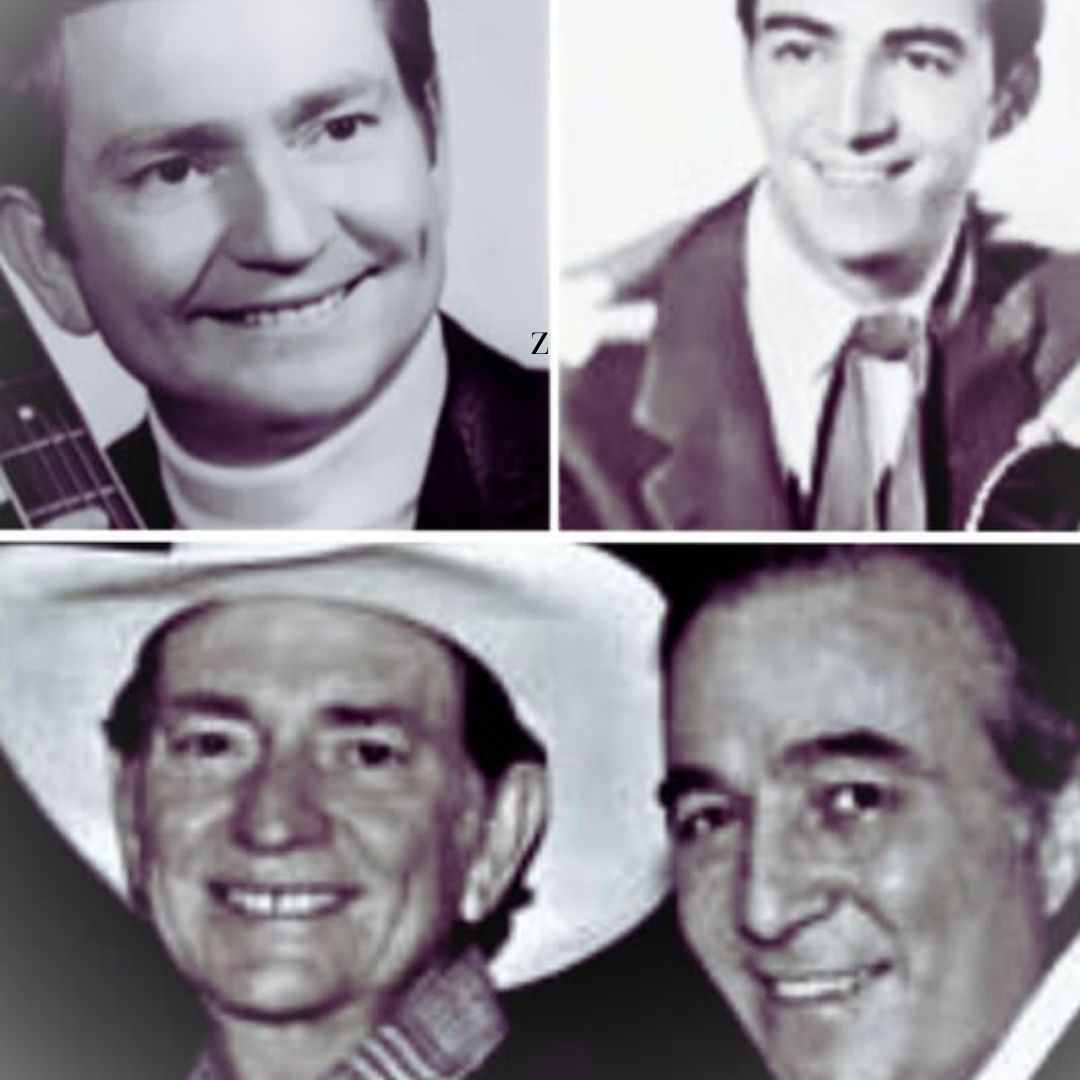
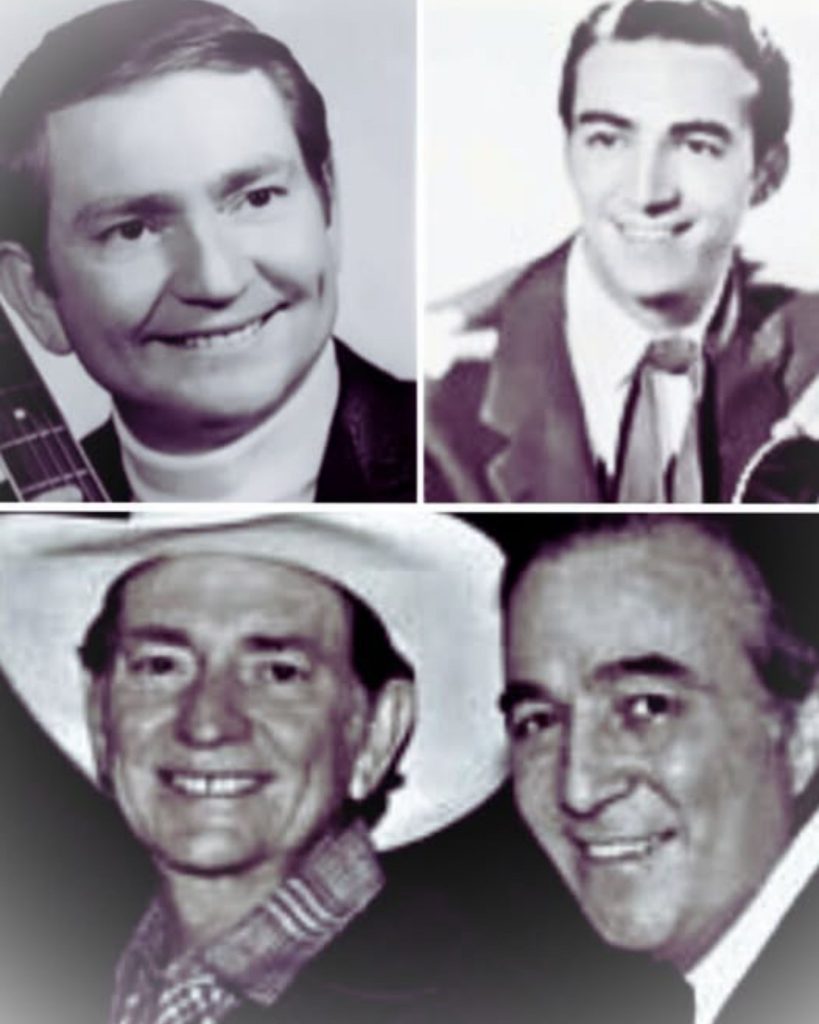
THE $500 SONG WILLIE NELSON ALMOST SOLD THAT TURNED INTO $20,000

Willie Nelson is a name synonymous with country music—a legendary songwriter and performer whose influence spans decades. However, before he became a household name, Nelson faced significant financial struggles. One pivotal moment in his early career involved a song he was willing to sell for just $500. Thanks to the integrity and foresight of fellow country artist Faron Young, that song didn’t just earn Nelson $500—it turned into a $20,000 windfall.

A Struggling Songwriter

In the late 1950s, Willie Nelson was a struggling songwriter in Nashville. Despite his undeniable talent, he found it difficult to make ends meet. Living hand-to-mouth, Nelson was desperate for a break. He had written a song titled “Hello Walls,” a melancholic tune that personified loneliness through conversations with the walls, windows, and ceiling of a room.

An Offer of Desperation

Desperate for cash, Nelson approached his friend Faron Young, a successful country singer at the time. Nelson offered to sell “Hello Walls” to Young for $500, a significant amount for Nelson but a modest sum for a song’s rights. Recognizing the song’s potential and unwilling to take advantage of his friend, Young refused to buy it outright.

Faron Young’s Wise Counsel

Instead of purchasing the song, Faron Young suggested a better idea. He told Nelson:

“I’m not going to buy your song, Willie. But I’ll record it, and you’ll make a lot more money from the royalties than from a one-time payment.”

Young stayed true to his word and recorded “Hello Walls.” Released in 1961, the song became a massive hit, reaching No. 1 on the Billboard Country Chart and crossing over to the pop charts.

A Windfall for Willie

As the songwriter, Willie Nelson began receiving royalty checks as the song climbed the charts. Instead of the $500 he initially sought, Nelson earned around $20,000 in royalties—a substantial sum at the time. This financial boost not only alleviated his immediate monetary woes but also validated his talent as a songwriter.

The Birth of a Legend

The success of “Hello Walls” marked a turning point in Nelson’s career. The song’s popularity opened doors for him in the industry, leading to more opportunities to write and perform. It wasn’t long before other artists recognized Nelson’s songwriting prowess. Patsy Cline’s rendition of his song “Crazy” further cemented his reputation, becoming one of the most played jukebox songs of all time.

A Lifelong Friendship

The incident forged a lasting friendship between Willie Nelson and Faron Young. Nelson never forgot Young’s generosity and often spoke about how that single act of kindness impacted his life. In interviews, Nelson credited Young with helping him during one of his most challenging times.

Faron Young: The Unsung Hero

While Willie Nelson went on to achieve superstar status, Faron Young’s role in this story is a testament to his character. Known as the “Hillbilly Heartthrob” and later “The Singing Sheriff,” Young had numerous hits throughout his career. His decision to record “Hello Walls” not only benefited Nelson but also became one of Young’s signature songs.

The Legacy of “Hello Walls”

The song remains a classic in country music, covered by various artists over the years. Its success is a reminder of the potential that can be realized when talent meets opportunity—and when generosity overrides personal gain.

Willie Nelson’s story about the $500 song that turned into $20,000 is more than just an anecdote about financial gain. It’s a lesson in integrity, friendship, and the unpredictable nature of the music industry. Faron Young’s refusal to exploit Nelson’s desperation resulted in a win-win situation that benefited both artists and enriched country music history.

Watch Willie Nelson perform “Hello Walls” with Faron Young below:

Related Post

HIS WIFE DIED THE DAY BEFORE THANKSGIVING. THREE WEEKS LATER, THE KING OF HONKY-TONK WAS FOUND DEAD IN THE SAME FLORIDA HOME. Gary Stewart was never built like a clean Nashville star. He came out of Kentucky poverty, grew up in Florida, and sang country music like the bottle was already open before the band counted off. In the mid-1970s, people called him the King of Honky-Tonk. “She’s Actin’ Single (I’m Drinkin’ Doubles)” went to No. 1 in 1975. But the road under him was never steady. There was the drinking. The drugs. The old back injury. The disappearing years when country music moved on and Gary Stewart kept slipping further from the bright part of the business. Mary Lou was the person who kept showing up beside him. They had been married for more than 40 years. She had seen the bars, the money, the chaos, the fall, the comeback attempts, and the quiet Florida days after the big moment had passed. Then November 26, 2003 came. Mary Lou died of pneumonia, the day before Thanksgiving. Gary canceled his shows. Friends said he was devastated. On December 16, Bill Hardman, his daughter’s boyfriend and Gary’s close friend, went to check on him at his Fort Pierce home. Gary Stewart was dead from a self-inflicted gunshot wound. Fans remember the voice bending around heartbreak like it had nowhere else to go. But the last chapter was not on a stage. It was a widower in Florida, three weeks after losing the woman who had survived the whole honky-tonk storm with him.

You Missed

HIS WIFE DIED THE DAY BEFORE THANKSGIVING. THREE WEEKS LATER, THE KING OF HONKY-TONK WAS FOUND DEAD IN THE SAME FLORIDA HOME. Gary Stewart was never built like a clean Nashville star. He came out of Kentucky poverty, grew up in Florida, and sang country music like the bottle was already open before the band counted off. In the mid-1970s, people called him the King of Honky-Tonk. “She’s Actin’ Single (I’m Drinkin’ Doubles)” went to No. 1 in 1975. But the road under him was never steady. There was the drinking. The drugs. The old back injury. The disappearing years when country music moved on and Gary Stewart kept slipping further from the bright part of the business. Mary Lou was the person who kept showing up beside him. They had been married for more than 40 years. She had seen the bars, the money, the chaos, the fall, the comeback attempts, and the quiet Florida days after the big moment had passed. Then November 26, 2003 came. Mary Lou died of pneumonia, the day before Thanksgiving. Gary canceled his shows. Friends said he was devastated. On December 16, Bill Hardman, his daughter’s boyfriend and Gary’s close friend, went to check on him at his Fort Pierce home. Gary Stewart was dead from a self-inflicted gunshot wound. Fans remember the voice bending around heartbreak like it had nowhere else to go. But the last chapter was not on a stage. It was a widower in Florida, three weeks after losing the woman who had survived the whole honky-tonk storm with him.