“Scroll down to the end of the article to listen to music.”
Introduction
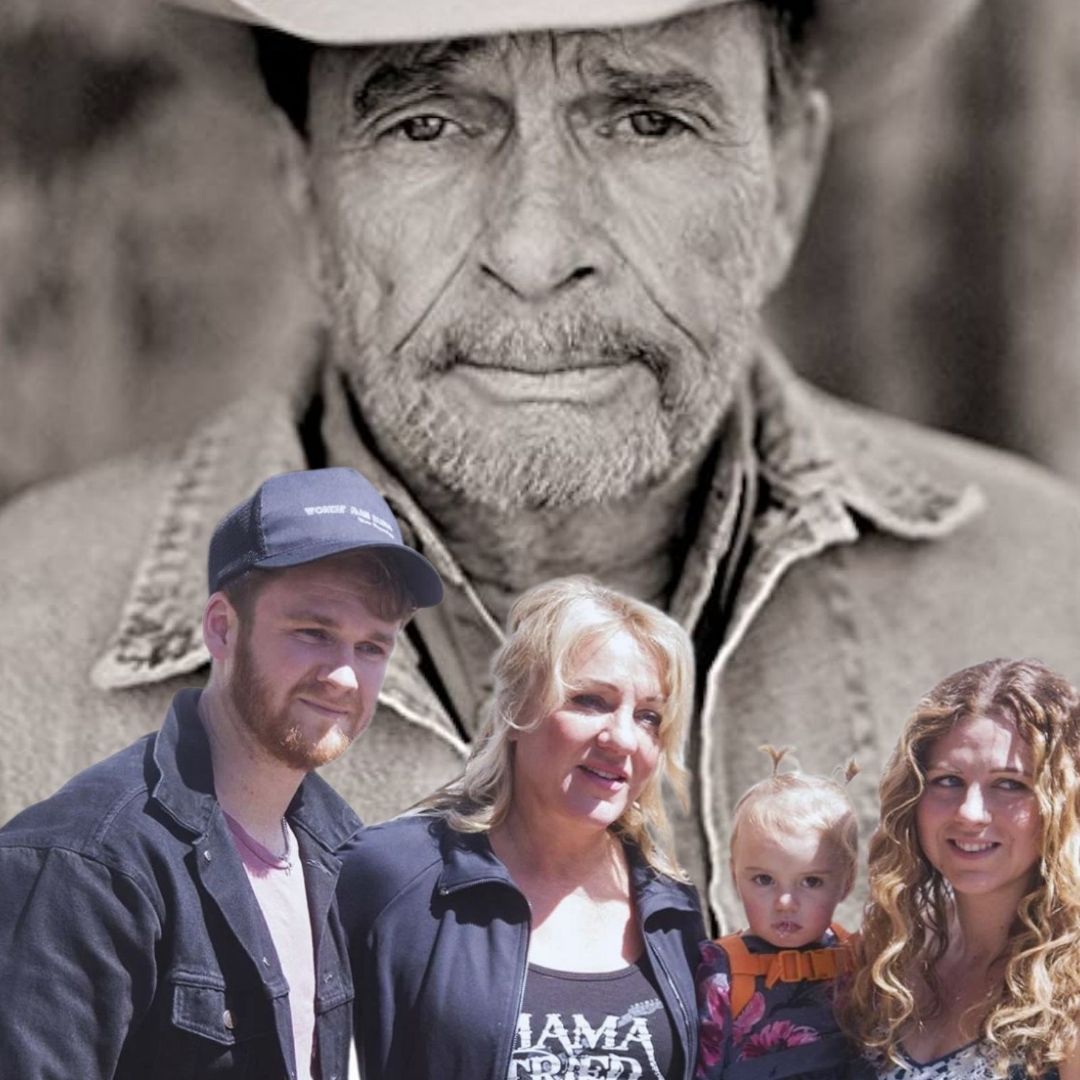
Merle Haggard’s life reads like the verses of a haunting country ballad—raw, unflinching, and deeply human. Born on April 6, 1937, in Oildale, California, Haggard’s journey began in the shadow of the Great Depression. His parents, James and Flossie Haggard, were Dust Bowl migrants from Oklahoma who sought refuge in California, only to find themselves living in a converted boxcar. It was a humble start, one that foreshadowed a lifetime shaped by hardship, resilience, and the relentless pursuit of meaning.

The defining moment of young Merle’s early life came with the sudden death of his father when he was just nine years old. The loss shattered him. “Something went out of my world that I was never able to replace,” he once said. From that moment, Haggard’s life began to unravel into rebellion and restlessness. As a teenager, he drifted into petty crime, escaping from juvenile detention countless times before a failed robbery in 1957 sent him to San Quentin State Prison—a place that would change him forever.

Behind bars, Merle Haggard encountered the power of music in the most unexpected way—through a live performance by Johnny Cash. Watching Cash sing to inmates with compassion and understanding stirred something deep within him. It was a revelation: music could be his salvation. Upon his release in 1960, Haggard vowed to rebuild his life through song. And he did.

By the mid-1960s, Merle Haggard had become one of country music’s most distinctive voices. Songs like Mama TriedThe Fugitive, and Okie from Muskogee spoke to the struggles of ordinary Americans, blending storytelling and social commentary in a way few had done before. His gritty authenticity and poetic honesty turned him into a working-class hero. Yet even as his fame soared, the demons of his past continued to shadow him.

Haggard’s personal life was as turbulent as his lyrics suggested. Married five times, his relationships mirrored the volatility of his career—filled with passion, heartbreak, and redemption. His final marriage to Theresa Ann Lane in 1993 finally brought him peace and stability. Together, they weathered his declining health and financial troubles, with Theresa standing steadfast by his side until his death.

Throughout the 1980s and beyond, Haggard’s honesty about his struggles with addiction and loss only deepened the public’s affection for him. He never hid his flaws; instead, he wove them into his songs, creating music that spoke to the truth of human imperfection. When asked late in life if he had accomplished all he wanted, Haggard replied simply, “I surpassed all dreams I ever had.”

When Merle Haggard passed away on April 6, 2016—his 79th birthday—the world mourned not only a country legend but a man who had lived every lyric he ever wrote. From the dust of poverty to the heights of stardom, from prison walls to the Grand Ole Opry stage, Haggard embodied the American spirit in all its contradiction and beauty. His music remains a testament to endurance, redemption, and the unbreakable soul of a man who turned his pain into poetry.

Merle Haggard was never just a singer—he was a storyteller for the broken, the hopeful, and the free. And though he is gone, his voice still echoes through every dusty road and dimly lit bar where country music plays, reminding us that even the most wounded hearts can find their song.

Video

Related Post

HIS WIFE DIED THE DAY BEFORE THANKSGIVING. THREE WEEKS LATER, THE KING OF HONKY-TONK WAS FOUND DEAD IN THE SAME FLORIDA HOME. Gary Stewart was never built like a clean Nashville star. He came out of Kentucky poverty, grew up in Florida, and sang country music like the bottle was already open before the band counted off. In the mid-1970s, people called him the King of Honky-Tonk. “She’s Actin’ Single (I’m Drinkin’ Doubles)” went to No. 1 in 1975. But the road under him was never steady. There was the drinking. The drugs. The old back injury. The disappearing years when country music moved on and Gary Stewart kept slipping further from the bright part of the business. Mary Lou was the person who kept showing up beside him. They had been married for more than 40 years. She had seen the bars, the money, the chaos, the fall, the comeback attempts, and the quiet Florida days after the big moment had passed. Then November 26, 2003 came. Mary Lou died of pneumonia, the day before Thanksgiving. Gary canceled his shows. Friends said he was devastated. On December 16, Bill Hardman, his daughter’s boyfriend and Gary’s close friend, went to check on him at his Fort Pierce home. Gary Stewart was dead from a self-inflicted gunshot wound. Fans remember the voice bending around heartbreak like it had nowhere else to go. But the last chapter was not on a stage. It was a widower in Florida, three weeks after losing the woman who had survived the whole honky-tonk storm with him.

You Missed

HIS WIFE DIED THE DAY BEFORE THANKSGIVING. THREE WEEKS LATER, THE KING OF HONKY-TONK WAS FOUND DEAD IN THE SAME FLORIDA HOME. Gary Stewart was never built like a clean Nashville star. He came out of Kentucky poverty, grew up in Florida, and sang country music like the bottle was already open before the band counted off. In the mid-1970s, people called him the King of Honky-Tonk. “She’s Actin’ Single (I’m Drinkin’ Doubles)” went to No. 1 in 1975. But the road under him was never steady. There was the drinking. The drugs. The old back injury. The disappearing years when country music moved on and Gary Stewart kept slipping further from the bright part of the business. Mary Lou was the person who kept showing up beside him. They had been married for more than 40 years. She had seen the bars, the money, the chaos, the fall, the comeback attempts, and the quiet Florida days after the big moment had passed. Then November 26, 2003 came. Mary Lou died of pneumonia, the day before Thanksgiving. Gary canceled his shows. Friends said he was devastated. On December 16, Bill Hardman, his daughter’s boyfriend and Gary’s close friend, went to check on him at his Fort Pierce home. Gary Stewart was dead from a self-inflicted gunshot wound. Fans remember the voice bending around heartbreak like it had nowhere else to go. But the last chapter was not on a stage. It was a widower in Florida, three weeks after losing the woman who had survived the whole honky-tonk storm with him.