A Marriage That Began Before the Music
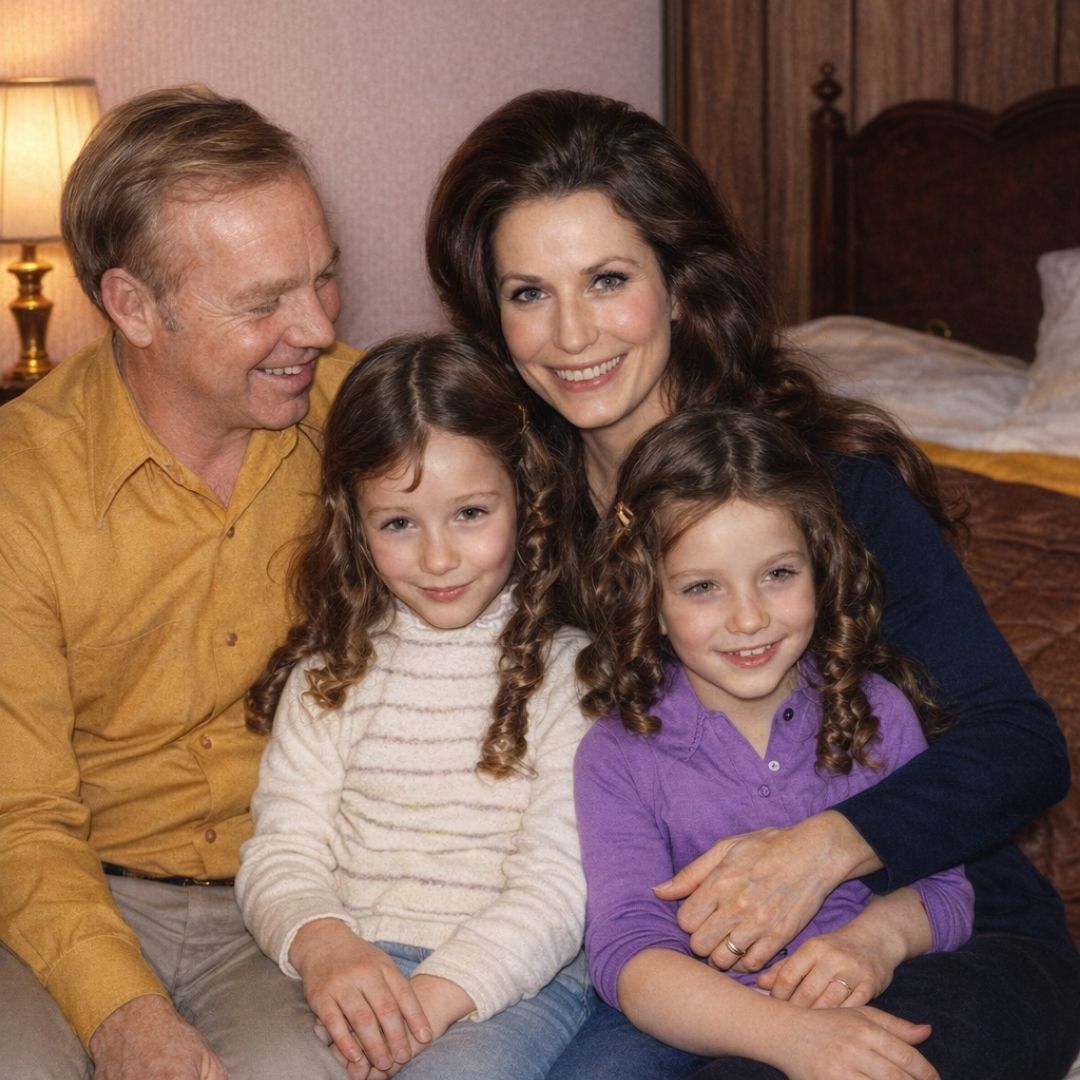
When Loretta Lynn married Doolittle Lynn in 1948, she was only fifteen years old. They were just two young people starting a life together in rural Kentucky, long before the world would know her voice. In those early years, Doolittle — often called “Mooney” — was the one who recognized something special in her singing. He bought her first guitar and encouraged her to perform, pushing her toward small local stages and radio appearances when she was still unsure of herself.
The Push That Started a Career
Many stories from Loretta’s early life describe how Mooney insisted she pursue music more seriously. At a time when opportunities for a young mother in Appalachia were limited, he believed she had a gift that could carry them further. Eventually that push led Loretta to recording sessions and performances that caught the attention of Nashville, beginning the career that would make her one of country music’s most influential voices.
A Life That Wasn’t Gentle
Yet the marriage behind that success was far from simple. Loretta herself spoke openly about the struggles they faced — nights of heavy drinking, fierce arguments, and moments that tested the limits of their relationship. Rather than hide those experiences, she placed them directly into her songs. Music became the way she processed the chaos of her life.
One of the clearest examples is “Don’t Come Home A-Drinkin’ (With Lovin’ on Your Mind),” a hit that turned domestic frustration into a bold country anthem.
Turning Pain Into Song
Loretta Lynn’s songwriting stood out because it carried the honesty of lived experience. She sang about marriage, motherhood, hardship, and the complicated realities women faced in everyday life. Listeners recognized the truth in those stories, and her willingness to speak directly about them helped change what country music allowed female artists to express.
The Complicated Legacy
Loretta and Doolittle Lynn remained married for nearly fifty years until his death in 1996. Their relationship contained loyalty, conflict, devotion, and scars — a complicated partnership that shaped much of her music. To some, he was the man who pushed her toward the career that changed country music. To others, he was also part of the struggle she had to overcome.
And perhaps the truth lies somewhere in between.
Because the life Loretta Lynn sang about — the love, the battles, the survival — was the very fire that forged the legend the world would eventually hear. 🎶