“Scroll down to the end of the article to listen to music.”

The Guitar Came Early, But Not Gently

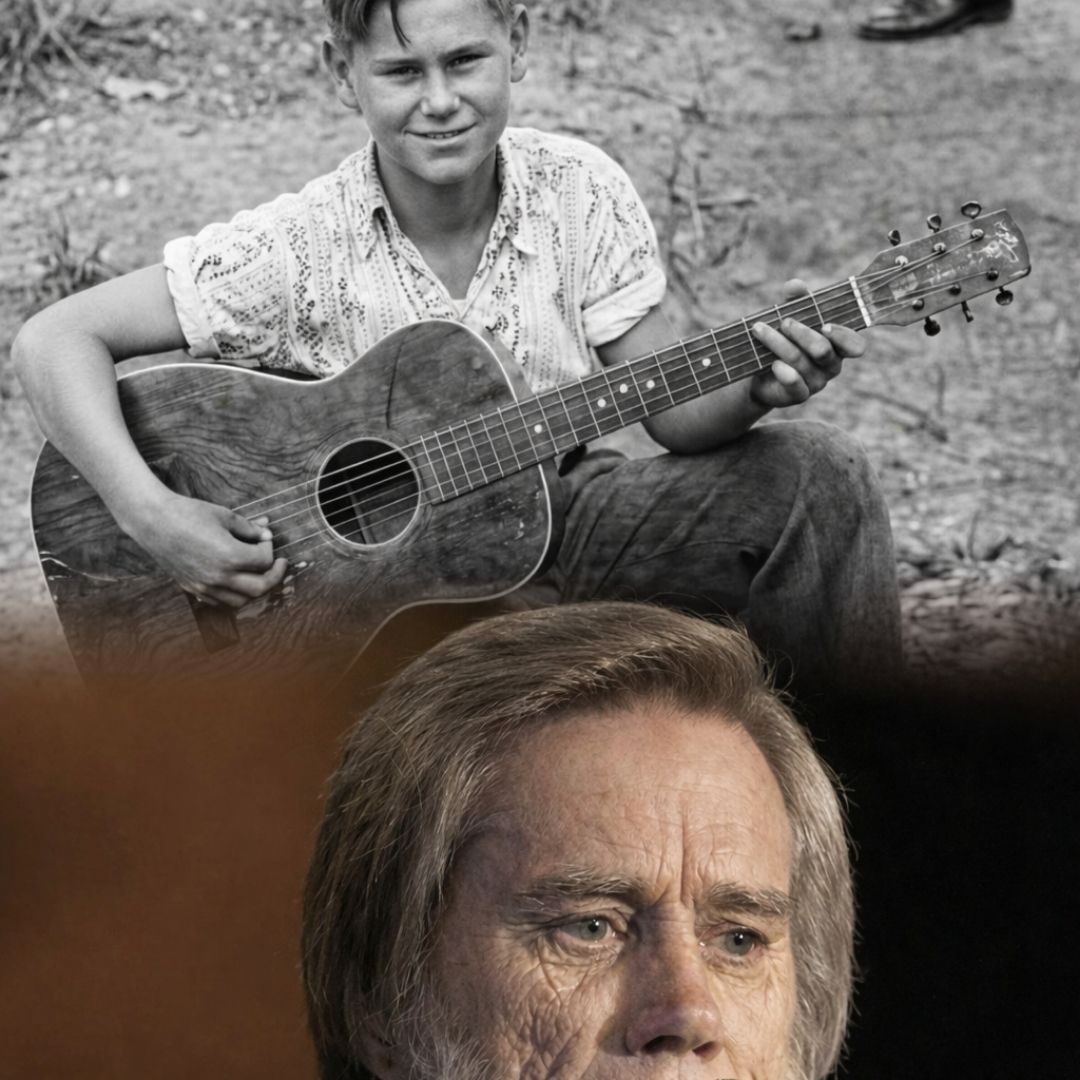
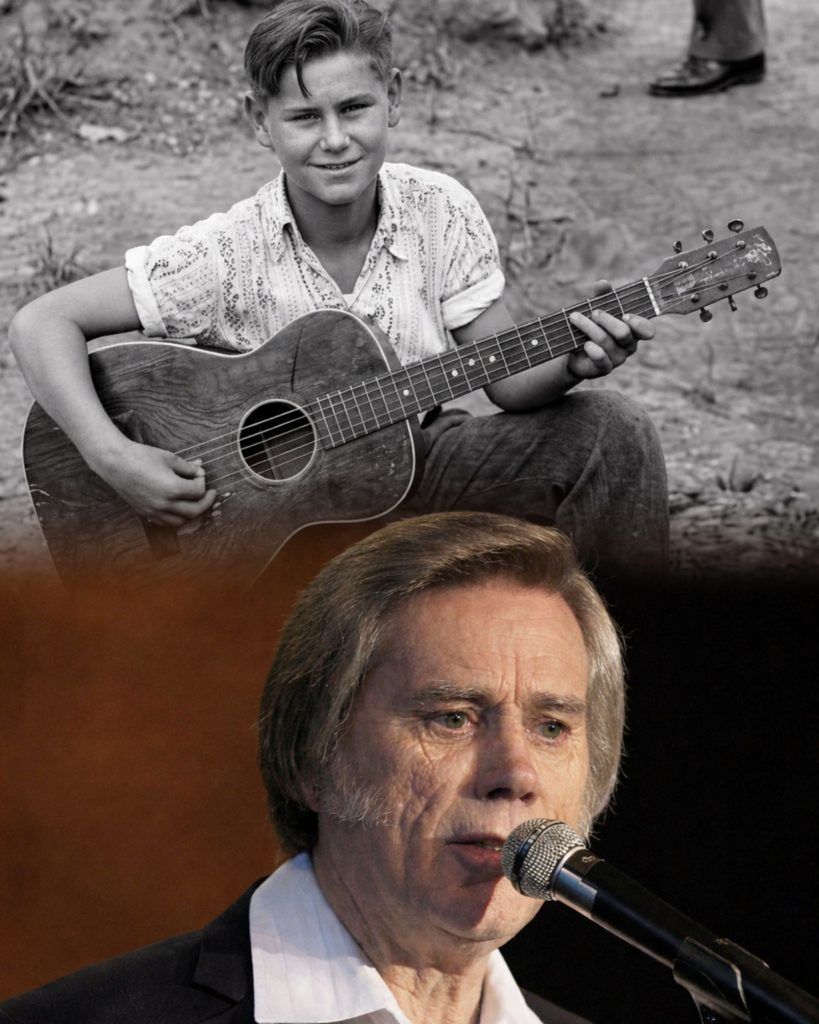
George Jones got his first guitar at nine.

But in his story, music did not arrive as a soft childhood gift. The Country Music Hall of Fame says Jones found early refuge in music from the rages of his alcoholic father, and other biographical sources describe a father who would force him to sing country songs, especially Roy Acuff songs, for adults around him.

The Sidewalk Came Before The Stage

As a child, Jones sang for tips on the streets of Beaumont, Texas.

That detail matters because it strips away the myth of a grand beginning. Before the records, before the nicknames, before anyone called him the greatest voice in country music, he was a boy out on the street trying to turn a song into a little money. The Hall of Fame confirms that he sang for tips in Beaumont after his family moved there.

The Poverty Was Part Of The Training

What made those early years so heavy was that the singing was tied to survival.

Jones grew up in deep poverty, and the guitar became part of how he moved through it. The Museum of the Gulf Coast says his father bought him that first guitar at nine and that Jones began busking in Beaumont soon after. That makes the image sharper: not a child dreaming toward stardom, but a child being pushed into performance by need, pressure, and a house already marked by fear.

He Left School Before The Voice Left Him

The formal life around him fell away early.

Sources differ on some small details of the schooling timeline, but biographical summaries consistently place his departure from home and steady conventional life in his mid-teens. The Museum of the Gulf Coast says he left home at sixteen and went to Jasper, Texas, where he sang and played on local radio.

The Legend Grew Out Of Something Smaller And Harder

That is why George Jones never sounded manufactured.

He did not just learn country songs. He came out of the kind of life those songs were built to hold: poverty, pressure, shame, longing, and the rough dignity of getting through. By the time the world heard the mature George Jones, the voice already carried years of damage and instinct inside it. The Hall of Fame’s description of him as one of country music’s last vital links to its rural past makes even more sense when you look at where he started.

The Strongest Version Of The Story

So the image worth keeping is not just a future legend with a guitar.

It is a nine-year-old boy in Texas, pushed toward music before he was old enough to choose it, standing close to the street and closer still to hardship. From there came a career with more than 160 charted singles and one of the most unmistakable voices country music ever produced

Video

Related Post

CAPITOL WAS READY TO DROP HIM. THEN AN ATLANTA DJ PLAYED “EASY LOVING” — AND FREDDIE HART’S 18-YEAR WAIT TURNED INTO A NO. 1 RECORD. Freddie Hart did not become famous quickly. He came out of Loachapoka, Alabama, born Frederick Segrest, one of the children in a poor sharecropper family. Music was there early, but so was work. He learned guitar young, left school young, and at 15 lied about his age to join the Marines during World War II. After the war, he tried to build a country career the hard way. He wrote songs. Cut records. Moved through labels. Other singers found pieces of him before radio fully did. Carl Smith had a hit with “Loose Talk.” Porter Wagoner cut “Skid Row Joe.” Freddie kept recording, but for years his own chart life never broke wide open. By 1971, Capitol did not see much future left. His single “California Grapevine” had stalled. The label was ready to let him go. “Easy Loving” was sitting there like one more record from a man Nashville had already decided was not going to happen. Then a DJ in Atlanta started playing it. The response was immediate. Listeners called. The song spread. Capitol had to turn around and re-sign the singer it had been ready to drop. By September 1971, “Easy Loving” was No. 1 on the country chart. Then it did something even stranger. It won CMA Song of the Year in 1971. Then won again in 1972. Freddie Hart had spent nearly two decades trying to get country music to stop passing him by. In the end, one DJ played the song Nashville had almost buried — and the door opened from the wrong city.

“WHISKEY RIVER” WAS CLIMBING THE CHARTS WHEN JOHNNY BUSH’S THROAT STARTED BETRAYING HIM. Johnny Bush was not built like a Nashville pretty boy. He came out of Houston, played drums, sang honky-tonk, and found his way into the same Texas bloodstream that carried Ray Price and Willie Nelson. In 1963, he joined Ray Price’s Cherokee Cowboys. Willie was close enough to know the talent was real, and later helped push him forward when Bush was still trying to turn Texas respect into a national career. The voice was the weapon. They called him the “Country Caruso” because he could climb into high notes most country men would not even chase. By the early 1970s, Bush had regional heat, RCA behind him, and a song that sounded like it could change everything. “Whiskey River.” It was his record first. His hurt first. His river first. Then the throat began to close. The high notes that had once come easy started breaking. Some nights he could barely talk. Doctors missed it for years. Bush thought maybe he was being punished. RCA dropped him. The career that had finally opened began shutting in his face. In 1978, the condition was finally named: spasmodic dysphonia, a rare neurological disorder affecting the voice. Willie Nelson kept singing “Whiskey River.” It became one of Willie’s signature songs, the kind of opener fans expected before the night could truly begin. Johnny Bush lived long enough to reclaim part of his voice, record again, and become a Texas elder. But the cruelest cut was still there. The song that should have carried him into country’s front row became immortal in another man’s mouth.

WILLIE NELSON AND MERLE HAGGARD TOOK “PANCHO AND LEFTY” TO NO. 1. THE MAN WHO WROTE IT WAS STILL TOWNES VAN ZANDT — BROKE, BRILLIANT, AND HARD TO SAVE. Townes Van Zandt did not look like Nashville’s idea of a hitmaker. He was born into a prominent Texas family, but he kept walking away from anything that looked stable. College did not hold him. The Air Force would not take him. Doctors had already stamped hard words on his life before country music ever learned what to do with his songs. Then came the road. Townes wrote like a man who had already seen the end of the room. “Waitin’ Round to Die.” “If I Needed You.” “To Live Is to Fly.” The songs sounded too literary for barrooms and too broken for polite folk clubs, but other writers knew. Guy Clark knew. Steve Earle knew. The Texas circle treated him like a ghost who was still alive. “Pancho and Lefty” was one of those songs. It did not make Townes a radio star when he cut it. The real explosion came years later, when Willie Nelson and Merle Haggard recorded it together. In 1983, their version went to No. 1 on the country chart. Suddenly the whole country knew the outlaw ballad, even if many people still did not know the man who had written it. The money helped. The fame, somehow, did not rescue him. Townes kept drifting through alcohol, illness, bad rooms, and songs that felt too clean for the life around them. In late 1996, he injured his hip badly. After surgery, he went home to Smyrna, Tennessee. On January 1, 1997, Townes Van Zandt died at 52. Forty-four years to the day after Hank Williams. That sounds like legend now. At the time, it was just another Texas songwriter gone before the world finished catching up.

You Missed

CAPITOL WAS READY TO DROP HIM. THEN AN ATLANTA DJ PLAYED “EASY LOVING” — AND FREDDIE HART’S 18-YEAR WAIT TURNED INTO A NO. 1 RECORD. Freddie Hart did not become famous quickly. He came out of Loachapoka, Alabama, born Frederick Segrest, one of the children in a poor sharecropper family. Music was there early, but so was work. He learned guitar young, left school young, and at 15 lied about his age to join the Marines during World War II. After the war, he tried to build a country career the hard way. He wrote songs. Cut records. Moved through labels. Other singers found pieces of him before radio fully did. Carl Smith had a hit with “Loose Talk.” Porter Wagoner cut “Skid Row Joe.” Freddie kept recording, but for years his own chart life never broke wide open. By 1971, Capitol did not see much future left. His single “California Grapevine” had stalled. The label was ready to let him go. “Easy Loving” was sitting there like one more record from a man Nashville had already decided was not going to happen. Then a DJ in Atlanta started playing it. The response was immediate. Listeners called. The song spread. Capitol had to turn around and re-sign the singer it had been ready to drop. By September 1971, “Easy Loving” was No. 1 on the country chart. Then it did something even stranger. It won CMA Song of the Year in 1971. Then won again in 1972. Freddie Hart had spent nearly two decades trying to get country music to stop passing him by. In the end, one DJ played the song Nashville had almost buried — and the door opened from the wrong city.

“WHISKEY RIVER” WAS CLIMBING THE CHARTS WHEN JOHNNY BUSH’S THROAT STARTED BETRAYING HIM. Johnny Bush was not built like a Nashville pretty boy. He came out of Houston, played drums, sang honky-tonk, and found his way into the same Texas bloodstream that carried Ray Price and Willie Nelson. In 1963, he joined Ray Price’s Cherokee Cowboys. Willie was close enough to know the talent was real, and later helped push him forward when Bush was still trying to turn Texas respect into a national career. The voice was the weapon. They called him the “Country Caruso” because he could climb into high notes most country men would not even chase. By the early 1970s, Bush had regional heat, RCA behind him, and a song that sounded like it could change everything. “Whiskey River.” It was his record first. His hurt first. His river first. Then the throat began to close. The high notes that had once come easy started breaking. Some nights he could barely talk. Doctors missed it for years. Bush thought maybe he was being punished. RCA dropped him. The career that had finally opened began shutting in his face. In 1978, the condition was finally named: spasmodic dysphonia, a rare neurological disorder affecting the voice. Willie Nelson kept singing “Whiskey River.” It became one of Willie’s signature songs, the kind of opener fans expected before the night could truly begin. Johnny Bush lived long enough to reclaim part of his voice, record again, and become a Texas elder. But the cruelest cut was still there. The song that should have carried him into country’s front row became immortal in another man’s mouth.

WILLIE NELSON AND MERLE HAGGARD TOOK “PANCHO AND LEFTY” TO NO. 1. THE MAN WHO WROTE IT WAS STILL TOWNES VAN ZANDT — BROKE, BRILLIANT, AND HARD TO SAVE. Townes Van Zandt did not look like Nashville’s idea of a hitmaker. He was born into a prominent Texas family, but he kept walking away from anything that looked stable. College did not hold him. The Air Force would not take him. Doctors had already stamped hard words on his life before country music ever learned what to do with his songs. Then came the road. Townes wrote like a man who had already seen the end of the room. “Waitin’ Round to Die.” “If I Needed You.” “To Live Is to Fly.” The songs sounded too literary for barrooms and too broken for polite folk clubs, but other writers knew. Guy Clark knew. Steve Earle knew. The Texas circle treated him like a ghost who was still alive. “Pancho and Lefty” was one of those songs. It did not make Townes a radio star when he cut it. The real explosion came years later, when Willie Nelson and Merle Haggard recorded it together. In 1983, their version went to No. 1 on the country chart. Suddenly the whole country knew the outlaw ballad, even if many people still did not know the man who had written it. The money helped. The fame, somehow, did not rescue him. Townes kept drifting through alcohol, illness, bad rooms, and songs that felt too clean for the life around them. In late 1996, he injured his hip badly. After surgery, he went home to Smyrna, Tennessee. On January 1, 1997, Townes Van Zandt died at 52. Forty-four years to the day after Hank Williams. That sounds like legend now. At the time, it was just another Texas songwriter gone before the world finished catching up.