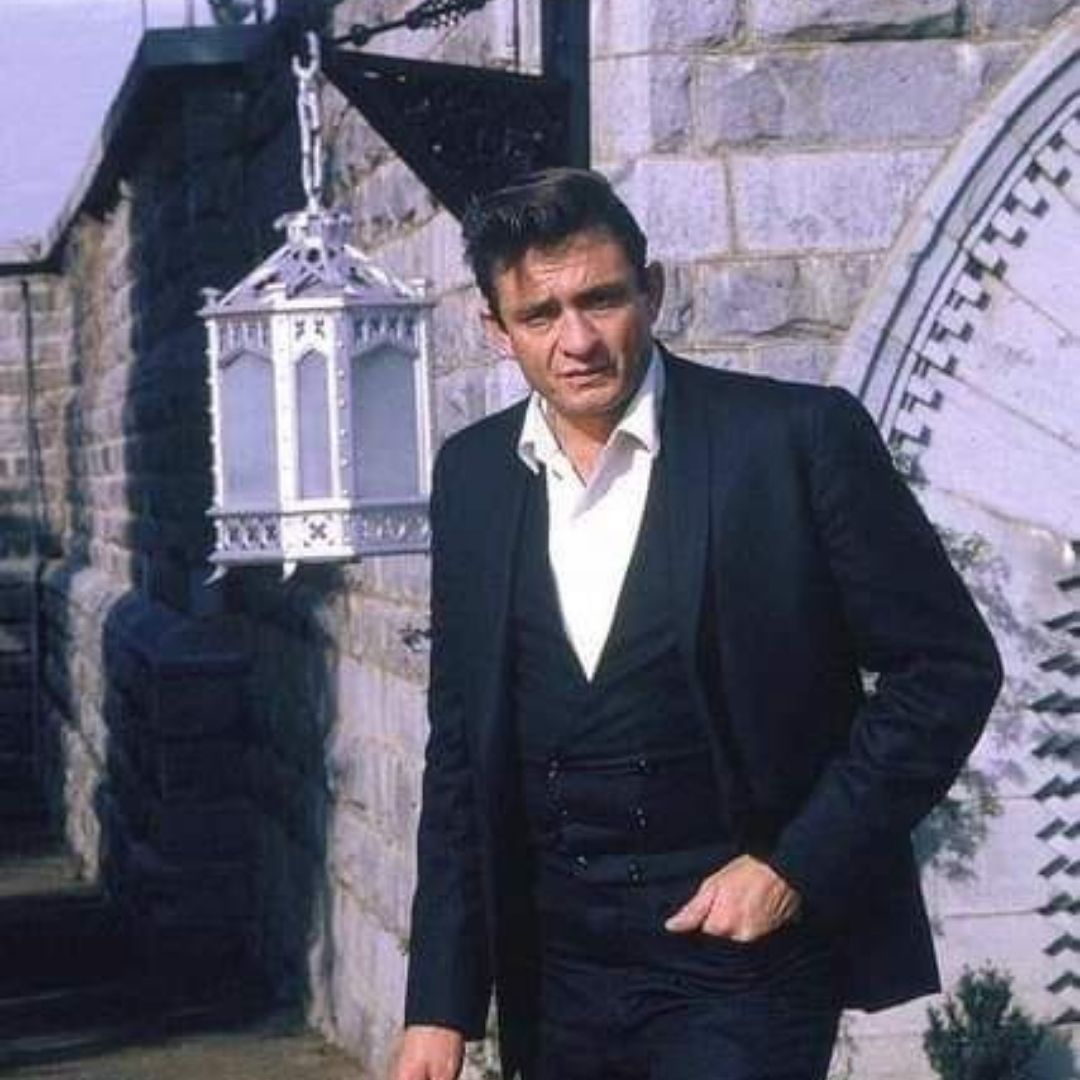
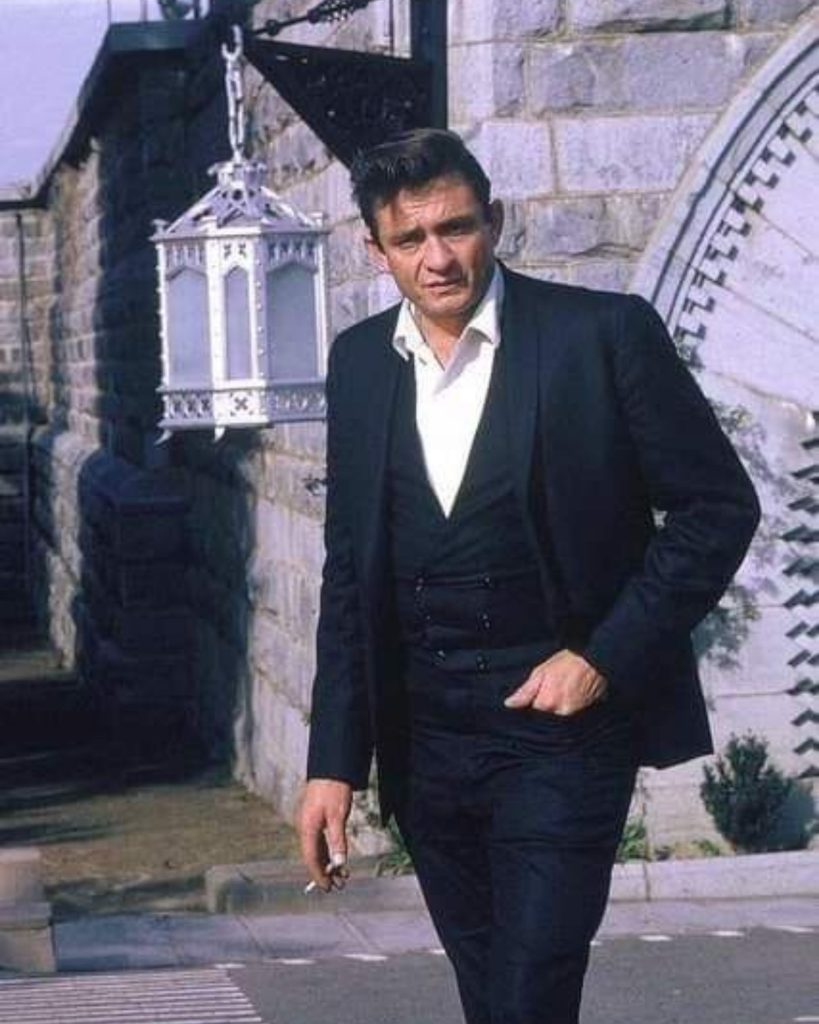
Just Days Before At Folsom Prison Reached The World, Johnny Cash Walked Into A Very Different Room
In April 1968, Johnny Cash stepped onto the stage at the Carousel Ballroom in San Francisco, in the middle of Haight-Ashbury, and left behind one of the strangest and most revealing live documents of his career.
The official Johnny Cash site describes it as a historic, previously unheard concert recorded by Owsley Stanley, captured there on April 24, 1968, just days before the release of At Folsom Prison. That timing is what makes the moment so fascinating. The Folsom legend was about to harden into history. But before the prison album fully took over the story, Cash walked into the center of America’s counterculture and sounded completely at home there too.
The Room Could Not Have Been More Different From Folsom
At Folsom, Johnny Cash stood inside prison walls, singing for men who understood confinement, guilt, regret, and survival in a way few crowds ever could.
At the Carousel Ballroom, he was in a room shaped by psychedelic San Francisco, underground culture, and the restless energy of Haight-Ashbury. On paper, those two worlds should have felt miles apart. In practice, Cash carried the same gravity into both. The audience changed. The room changed. The man did not need to.
That Is What Made Johnny Cash Bigger Than One Setting
This is the part that keeps the story alive.
A lesser artist might have needed to adjust himself to fit a room like that — to lean into the counterculture, to explain his relevance, to soften the harder country outline people already knew. Cash did none of that. Later writing about the Carousel performance keeps returning to the same impression: he could move from prisons to hippie ballrooms without sounding misplaced, because the core of what he carried was already larger than genre boundaries or social tribes.
The Performance Matters Because It Shows Cash Before The Folsom Myth Closed Around Him
By the time At Folsom Prison was released in May 1968, it would become one of the defining live albums in American music and reshape the public understanding of Johnny Cash for decades. That record was captured on January 13, 1968 and released that spring. The Carousel Ballroom tape preserves something slightly more unsettled and unusual: Cash in motion, still crossing rooms, still proving he could carry his identity into places where it should not have worked so naturally.
What The Haight-Ashbury Night Really Reveals
The deeper meaning of the story is not just that Johnny Cash once played an unexpected venue.
It is that he belonged to more Americas than people sometimes remember. He could sing to prisoners, country crowds, folk listeners, and the San Francisco counterculture without sounding like he was borrowing anybody else’s language. The Carousel Ballroom show matters because it catches him in one of those rare moments where the categories still look separate, but the artist has already outgrown them.
What The Story Leaves Behind
So the version worth keeping is not only that Johnny Cash appeared in Haight-Ashbury just days before At Folsom Prison came out.
It is that the performance proves something larger about him. Before the prison album fixed one part of his image in place forever, Cash walked into a completely different world and sounded just as true there. Sometimes a legend finds the perfect stage. Sometimes he reveals that no single stage was ever going to contain him.