Billy Joe Shaver Did Not Wait For The Right Door To Open
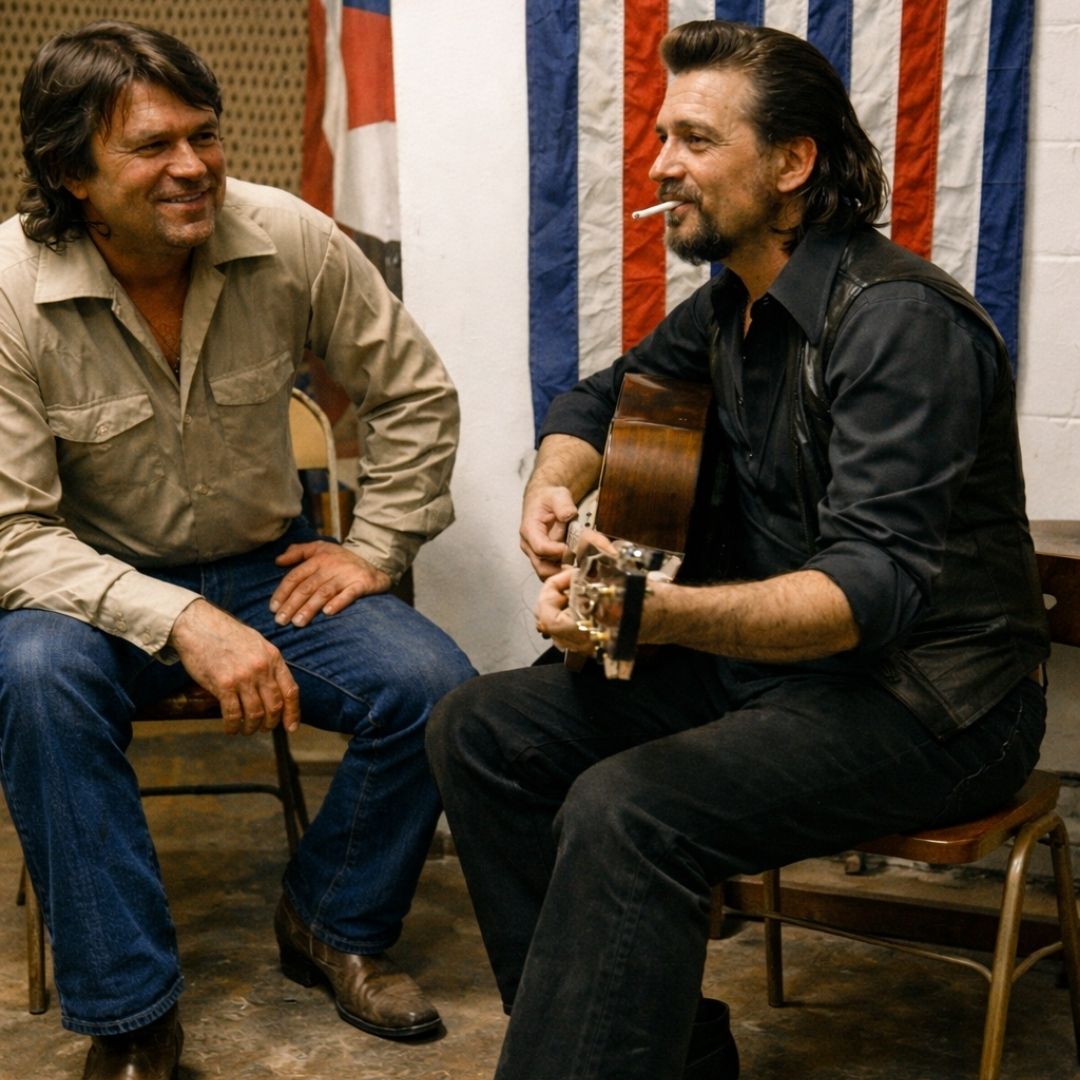
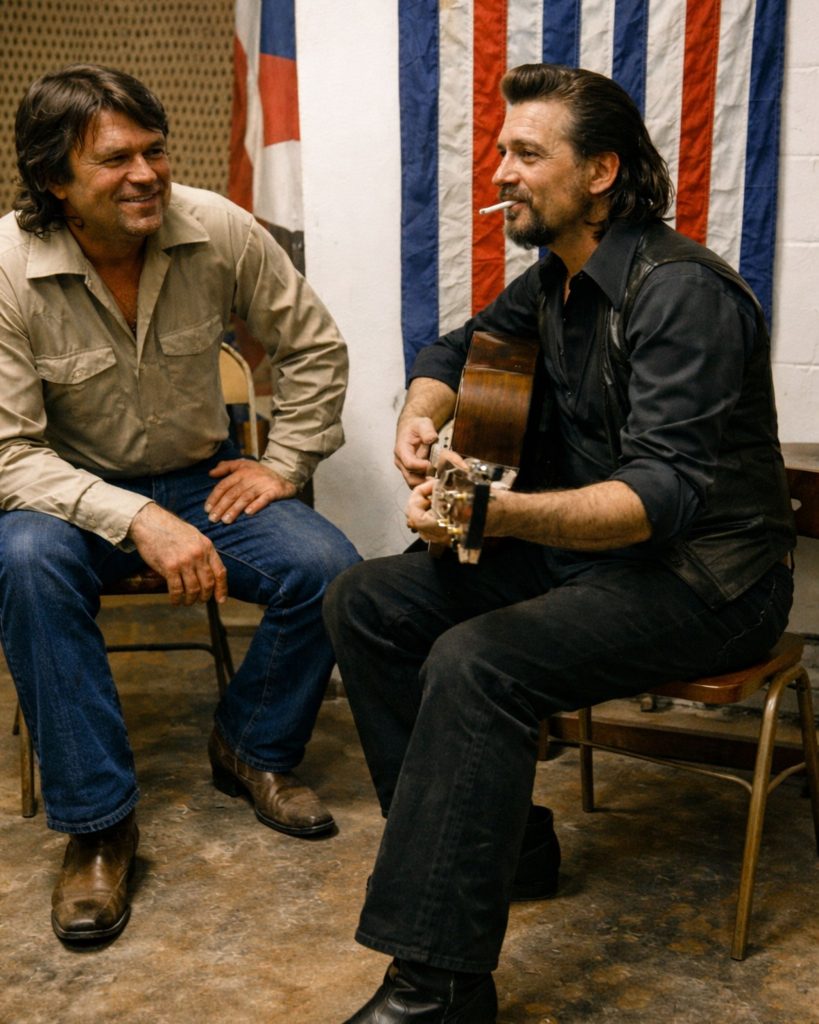
Before Honky Tonk Heroes became one of the albums most closely tied to the rise of outlaw country, Billy Joe Shaver was still just a songwriter trying to get the right man to stop and listen. Later accounts of the story describe him repeatedly catching Waylon Jennings in hallways and pushing songs on him until Waylon finally paid attention. Shaver’s own retellings of their early connection also circle the same idea: he kept putting the songs in front of Waylon until the wall finally cracked.
That beginning fits the record better than any polished myth ever could.
This was not a neat industry match. It was one hardheaded writer refusing to let the right singer walk past him.
Waylon Heard Something In Those Songs That Nashville Could Not Smooth Out
By 1973, Waylon Jennings had recently renegotiated his RCA contract and gained rare creative control over his recordings, which gave him room to make a record on his own terms. Honky Tonk Heroes ended up built mostly from Billy Joe Shaver songs, and later histories consistently describe it as a pivotal album in the development of outlaw country.
That matters because the album did not arrive as business as usual.
Waylon was no longer just choosing songs. He was choosing a direction. Shaver’s writing gave him material that sounded raw, country, restless, and unvarnished in a way the Nashville system had not been packaging cleanly. The songs carried barrooms, losers, drifters, pride, damage, and survival without trying to pretty any of it up. That was exactly the kind of language Waylon had been moving toward.
The Studio Was Not Comfortable Either
The friction did not disappear once the songs made it into the room.
On February 21, 1973, Waylon was in the studio recording “Honky Tonk Heroes,” and later recountings note that Billy Joe Shaver was there and got angry at what he was hearing, feeling Waylon was messing with the song’s rhythm and feel. That tension has become part of the album’s legend precisely because it shows how little of this record came out of comfort.
That detail matters.
The album did not come from two men nodding politely at each other from opposite sides of the glass. It came from collision. Shaver was possessive because the songs were his blood. Waylon was forceful because he was trying to turn that blood into his own sound. The result was not polite authenticity. It was fought-for authenticity.
The Record Changed More Than A Career
Honky Tonk Heroes was released in 1973, reached No. 14 on Billboard’s country albums chart, and is now widely treated as one of the landmark albums in country music’s outlaw turn. Later critics have called it a key piece of the subgenre’s emergence, and Shaver himself described it as the touchstone of the movement.
That is why the hallway image stays with you.
A hungry songwriter cornered a star until the star finally listened. Then the two of them went into the studio, argued, pulled against each other, and made a record that helped change the direction of country music. It did not come out of ease. It came out of insistence, risk, and the rare kind of friction that leaves the genre sounding different afterward.