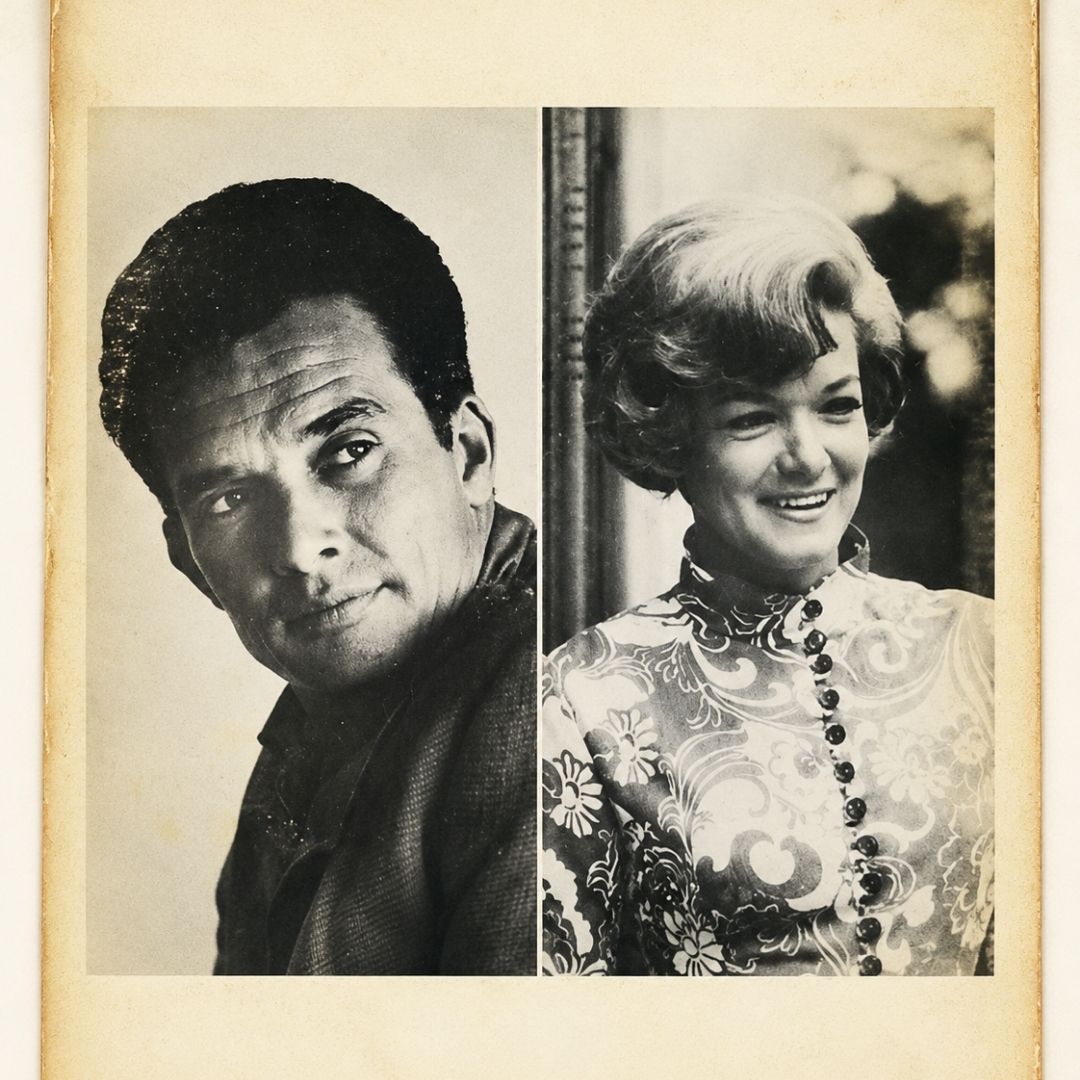
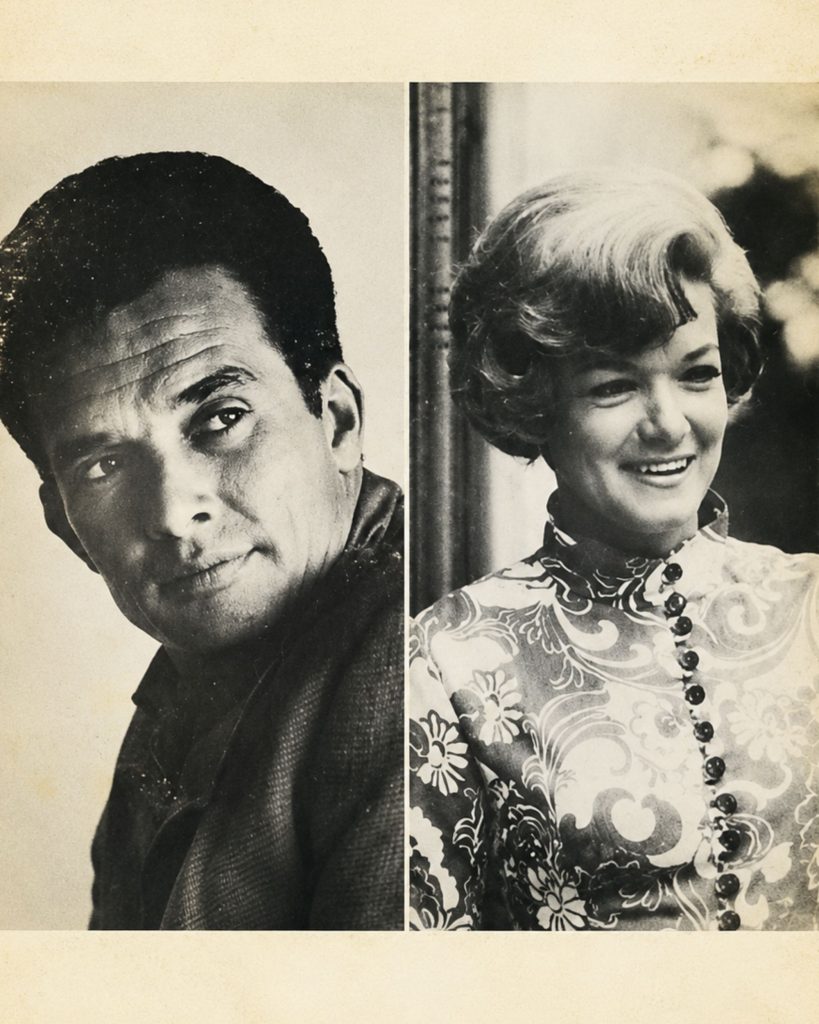
MERLE HAGGARD PUT THE HIT ON THE FRONT — BUT THE B-SIDE ABOUT BONNIE OWENS KEPT OUTLIVING IT.
Some songs are chosen by the label.
Others are chosen by time.
In 1968, Capitol had the obvious record. “The Legend of Bonnie and Clyde” was the front side, the radio side, the one built to move fast. It had story, attitude, and enough momentum to climb all the way to No. 1.
But the quieter song was on the back.
“Today I Started Loving You Again.”
No gunfire.
No outlaw chase.
Just one wounded sentence that refused to stay small.
It Began With An Airport Line
That is the part that makes it feel almost too country.
Merle Haggard and Bonnie Owens were walking through an airport when he said something close to confession. He told her he thought he had started loving her again.
Bonnie heard the song inside it before the moment disappeared.
She turned the line around.
“Today I started loving you again.”
Sometimes a great country title does not arrive like thunder.
Sometimes it walks beside you through an airport.
Dallas Gave The Line A Room
A few days later, Merle carried that sentence into a Dallas motel room and finished the song.
That image matters.
Not a grand studio.
Not a dramatic stage.
Just a man alone with a line he could not shake.
The song did not need a complicated story. Its power was the opposite. It said what people hate admitting: love can come back after you thought you had buried it.
Merle knew how to make that kind of regret sound plain.
The Front Side Won The Moment
“The Legend of Bonnie and Clyde” did what a single is supposed to do.
It caught radio.
It climbed the chart.
It gave Capitol the hit they were looking for.
That is how the business measures success first: the A-side, the numbers, the visible win.
But country music has another way of measuring.
It watches which songs people keep reaching for when the chart has moved on.
The B-Side Found More Voices
“Today I Started Loving You Again” did not need Merle’s chart run to become permanent.
Other singers found it.
Waylon Jennings, Conway Twitty, Tammy Wynette, Sammi Smith, Emmylou Harris — voice after voice carried the song into new rooms, new heartbreaks, new versions of the same old confession.
That is how a B-side becomes a standard.
Not by being pushed hardest.
By being needed longest.
What That Airport Line Really Leaves Behind
The deepest part of this story is not that Merle Haggard wrote another great song.
It is that a nearly accidental sentence outlived the record meant to carry it.
A passing line.
Bonnie Owens hearing the shape of it.
A Dallas motel room.
A B-side that did not chart for Merle on its own, yet kept finding singers who understood the ache.
The hit belonged to 1968.
The B-side belonged to everybody who realized too late that love had only been waiting for them to notice it again.