“Scroll down to the end of the article to listen to music.”

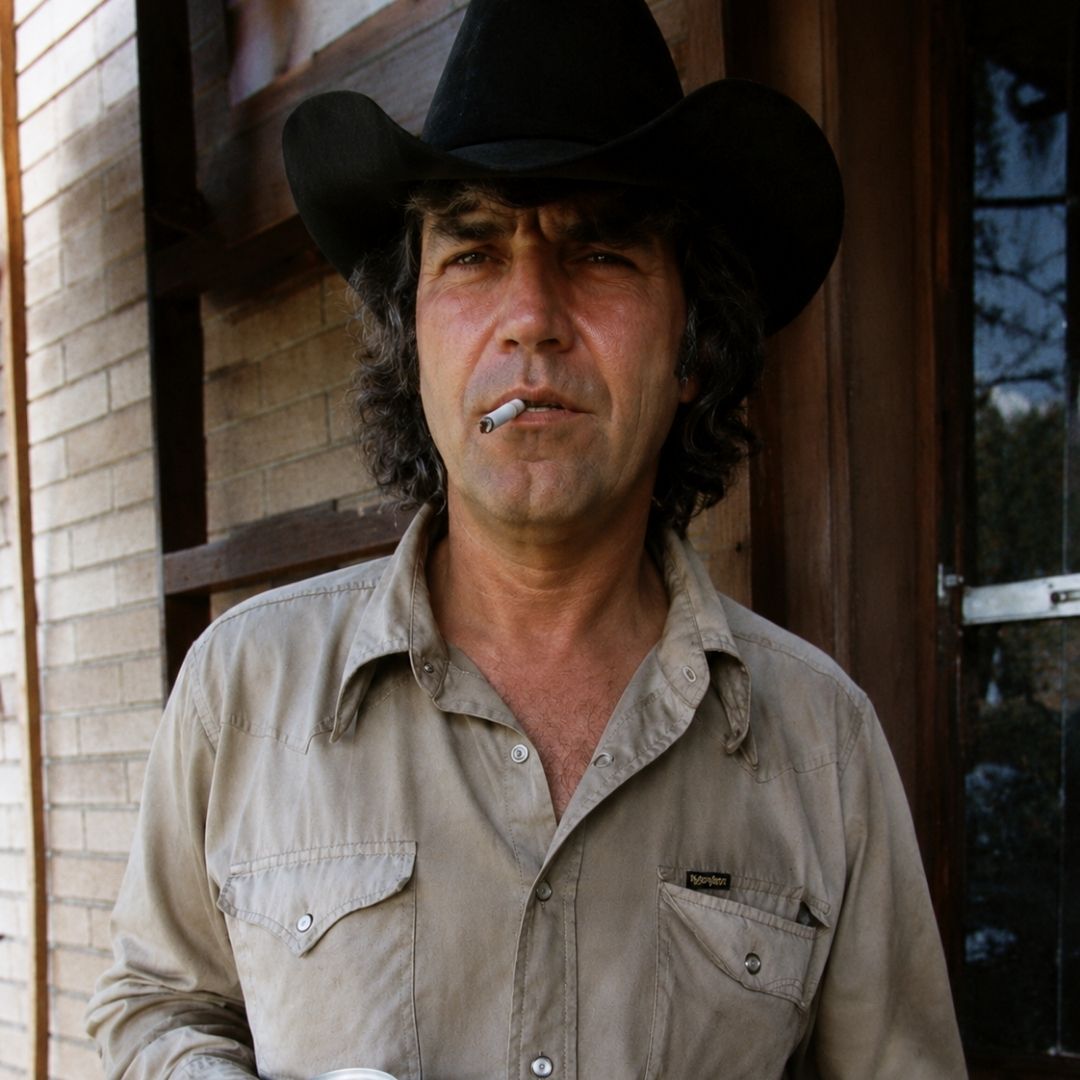
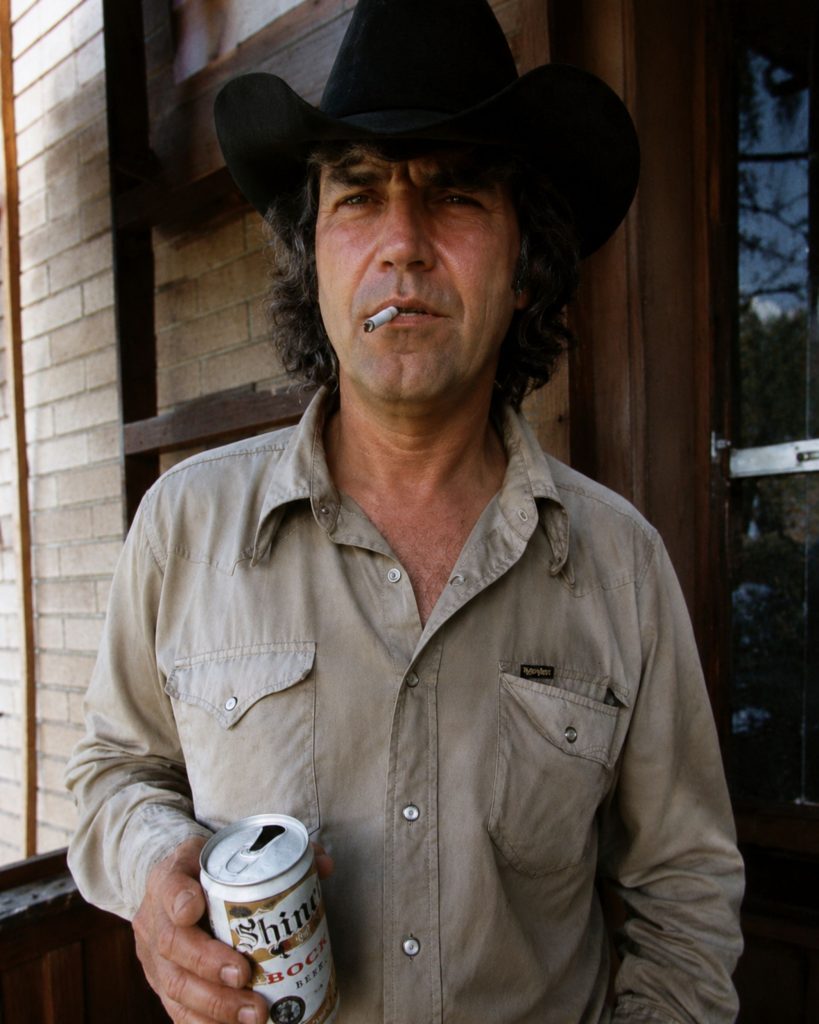
BILLY JOE SHAVER WALKED OUT OF COURT ACQUITTED — THEN TURNED A TEXAS BAR SHOOTING INTO “WACKO FROM WACO.”

Some singers try to outrun the ugliest night.

Billy Joe Shaver wrote his into a song.

On March 31, 2007, he was in Lorena, Texas, at Papa Joe’s Texas Saloon. Not a clean Nashville room. Not a polished songwriter showcase. A real Texas bar, where the air can change fast and trouble does not need much help finding the door.

By then, Billy Joe had already survived too much.

His son Eddy.

His wife Brenda.

A heart attack onstage.

Years that carved the man instead of simply aging him.

The Argument Moved Outside

That is where the story turned dangerous.

Billy Joe got into a confrontation with a man named Billy Bryant Coker. The details around the argument became messy, as bar stories often do when fear, pride, and memory all start talking at once.

Words were exchanged.

They went outside.

Shaver later said he felt threatened and acted in self-defense.

Then the gun went off.

Coker was shot in the face.

He survived.

The Legend Became A Defendant

That part strips away the mythology.

Billy Joe Shaver was charged with aggravated assault.

For years, the case hung over him. No stage lights could turn it into folklore yet. No song could make it funny. It was court dates, lawyers, testimony, and the slow machinery of consequences.

Country fans knew him as a hard-living songwriter.

The courtroom knew him as a man facing prison.

Those are not the same room.

Willie Nelson Walked Into Court

In 2010, the trial finally came.

Willie Nelson showed up as a character witness. So did actor Robert Duvall.

That gave the courtroom a strange weight — famous friends, Texas law, old songs, and one songwriter sitting there while other people decided what the rest of his life might look like.

It was not myth yet.

It was risk.

The Jury Let Him Walk

The jury acquitted Billy Joe.

That did not make the night clean.

It did not erase the gunshot, the fear, the injury, or the ugliness of what happened outside that bar.

But legally, he walked out free.

For most people, that would have been the end of what they wanted said in public.

Billy Joe was not most people.

He Put The Mess Into A Rhyme

Afterward, he wrote “Wacko From Waco.”

That was classic Billy Joe Shaver — not because the story was cute, but because he refused to let even the worst chapter sit outside the songbook.

He had always written from trouble.

This time, the trouble had a court record.

A lesser artist might have hidden from it.

Billy Joe turned toward it with a crooked grin and made it sing.

What “Wacko From Waco” Really Leaves Behind

The deepest part of this story is not that Billy Joe Shaver was acquitted.

It is that he treated survival the same way he treated shame, grief, sin, and bad luck:

as material he had to face.

A Texas saloon.

A gunshot outside.

A man who survived.

A songwriter in court with Willie Nelson and Robert Duvall behind him.

And somewhere inside “Wacko From Waco” was the strange truth Billy Joe carried to the end:

Some men bury their worst nights.

Billy Joe Shaver made his answer rhyme.

Video

Related Post

THE SONG WAS CLIMBING THE CHARTS WHEN HIS OWN THROAT STARTED CLOSING ON HIM. BY 1974, RCA WAS DONE WAITING. The record was “Whiskey River.” In 1972, it was supposed to be Johnny Bush’s big door. He had already earned the nickname “Country Caruso” in Texas. He had played drums, worked honky-tonks, moved through Ray Price’s world, stood near Willie Nelson, and finally had the kind of song that could push him past regional fame. Radio started playing it. Then the voice began to fail. Not all at once. That may have made it worse. First the high notes turned rough. Then the control started slipping. Some nights he could still sing enough to get through the set. Other nights, the thing that had made him special simply would not obey him. Bush later said he thought God was punishing him. Doctors did not have the answer at first. Prescriptions. Wrong guesses. Fear. The career kept sliding while the song kept moving into someone else’s hands. In 1974, RCA dropped him. Four years later, he was diagnosed with spasmodic dysphonia, a neurological disorder affecting the voice. Willie Nelson turned “Whiskey River” into his own concert-opening signature, while the man who wrote it spent years fighting to get enough of his throat back to sing again. Later, therapy and Botox injections helped. Johnny Bush did come back. But the cruelest part had already happened: his most famous song kept living loudly onstage every night — while his own voice had to learn how to survive in pieces.

You Missed

THE SONG WAS CLIMBING THE CHARTS WHEN HIS OWN THROAT STARTED CLOSING ON HIM. BY 1974, RCA WAS DONE WAITING. The record was “Whiskey River.” In 1972, it was supposed to be Johnny Bush’s big door. He had already earned the nickname “Country Caruso” in Texas. He had played drums, worked honky-tonks, moved through Ray Price’s world, stood near Willie Nelson, and finally had the kind of song that could push him past regional fame. Radio started playing it. Then the voice began to fail. Not all at once. That may have made it worse. First the high notes turned rough. Then the control started slipping. Some nights he could still sing enough to get through the set. Other nights, the thing that had made him special simply would not obey him. Bush later said he thought God was punishing him. Doctors did not have the answer at first. Prescriptions. Wrong guesses. Fear. The career kept sliding while the song kept moving into someone else’s hands. In 1974, RCA dropped him. Four years later, he was diagnosed with spasmodic dysphonia, a neurological disorder affecting the voice. Willie Nelson turned “Whiskey River” into his own concert-opening signature, while the man who wrote it spent years fighting to get enough of his throat back to sing again. Later, therapy and Botox injections helped. Johnny Bush did come back. But the cruelest part had already happened: his most famous song kept living loudly onstage every night — while his own voice had to learn how to survive in pieces.