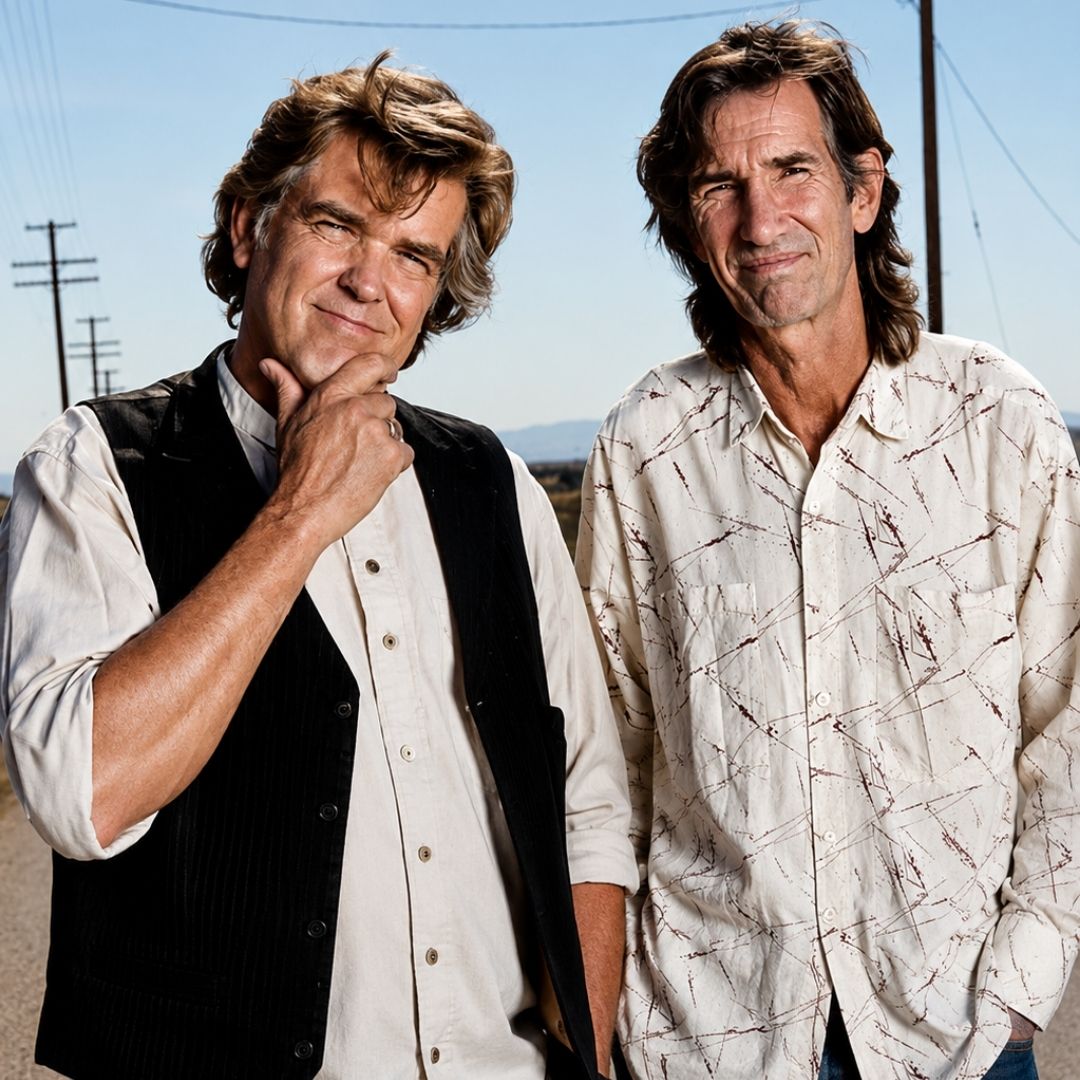
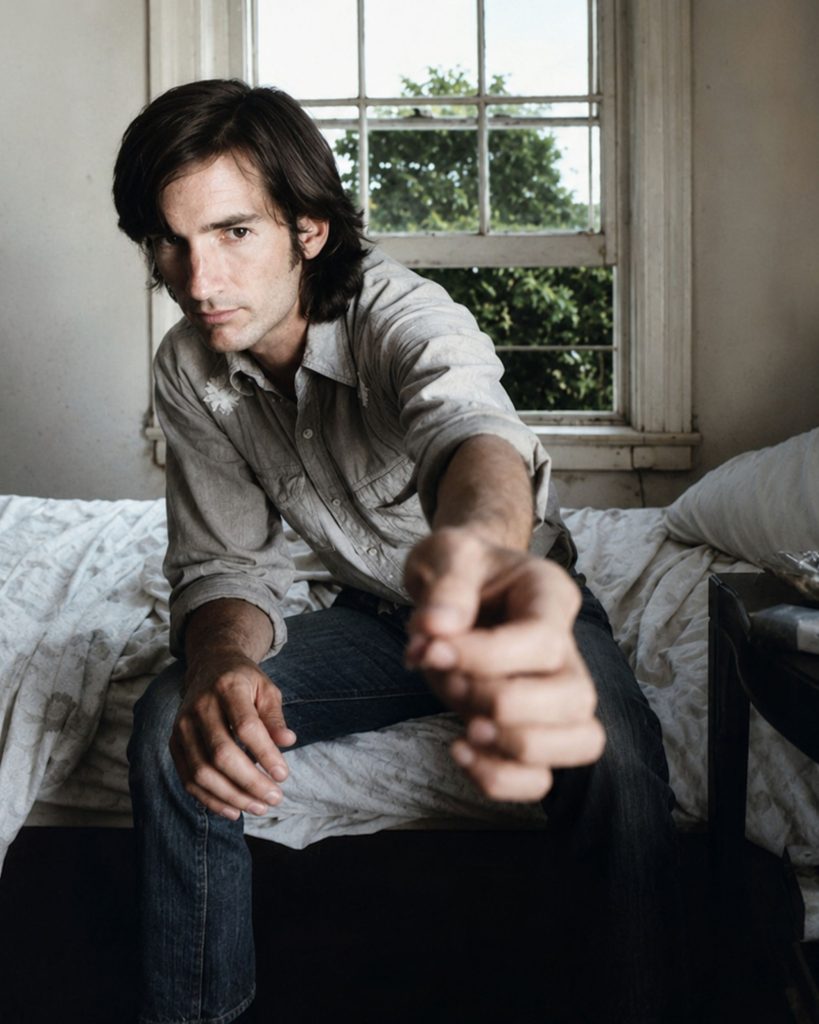
WILLIE AND MERLE TOOK “PANCHO AND LEFTY” TO NO. 1 — BUT TOWNES VAN ZANDT WAS STILL THE BROKE TEXAS GHOST WHO WROTE IT.
Some songwriters get rescued by their own songs.
Townes Van Zandt did not.
He wrote the kind of lines other writers whispered about, studied, carried around like contraband. Born into a prominent Texas family, he still kept slipping away from anything that looked stable.
College did not hold him.
The Air Force did not take him.
Doctors had already put hard words on his life before Nashville ever tried to understand his songs.
Then came the road.
Townes Wrote Like He Had Already Seen The Ending
That was the strange power in him.
“Waitin’ Round to Die.”
“If I Needed You.”
“To Live Is to Fly.”
The songs sounded too literary for some barrooms, too damaged for polite folk rooms, and too clean for the life Townes kept dragging them through.
But the writers knew.
Guy Clark knew.
Steve Earle knew.
The Texas circle heard a man who could make ruin sound almost holy without ever making it safe.
“Pancho And Lefty” Did Not Save Him First
Townes cut “Pancho and Lefty,” but it did not turn him into a radio star.
That almost feels right for his story.
The song had gun smoke, betrayal, desert light, and a sadness that never explained itself too much. It sounded like an old outlaw ballad found half-buried somewhere near the border.
It was bigger than a normal country single.
But Townes was never easy for the business to hold.
So the song waited for other voices.
Then Willie And Merle Carried It Into The Charts
In 1983, Willie Nelson and Merle Haggard recorded it together.
That pairing changed the room.
Willie brought the drifting outlaw soul.
Merle brought the weight of a man who knew how guilt and survival could sit in the same line.
Their version went to No. 1 on the country chart.
Suddenly, the whole country knew “Pancho and Lefty.”
Many still did not know Townes.
The Hit Helped, But It Did Not Heal Him
That is the hard part.
The money helped.
The recognition helped.
But a hit recorded by legends could not repair the man who had written it. Townes kept moving through alcohol, illness, bad rooms, broken patterns, and flashes of brilliance that made people believe he might still outrun himself.
He could write songs that sounded immortal.
He could not always live inside ordinary days.
That was the wound beneath the legend.
The Final Date Sounded Like A Myth
In late 1996, Townes badly injured his hip.
After surgery, he went home to Smyrna, Tennessee.
On January 1, 1997, he died at 52.
Forty-four years to the day after Hank Williams.
People hear that now and call it eerie, poetic, almost destined.
But at the time, it was just another hard room closing around a Texas songwriter the world had praised too late and protected too little.
What “Pancho And Lefty” Really Leaves Behind
The deepest part of this story is not that Willie Nelson and Merle Haggard took the song to No. 1.
It is that the song became famous in a way Townes Van Zandt never fully could.
A broke Texas poet.
A border ballad.
Two country giants carrying it into the mainstream.
A writer still drifting behind the record that made his name travel farther than his life ever stabilized.
And somewhere inside “Pancho and Lefty” was the truth Townes kept proving the hard way:
A song can survive almost anything.
The man who wrote it is not always that lucky.
Video