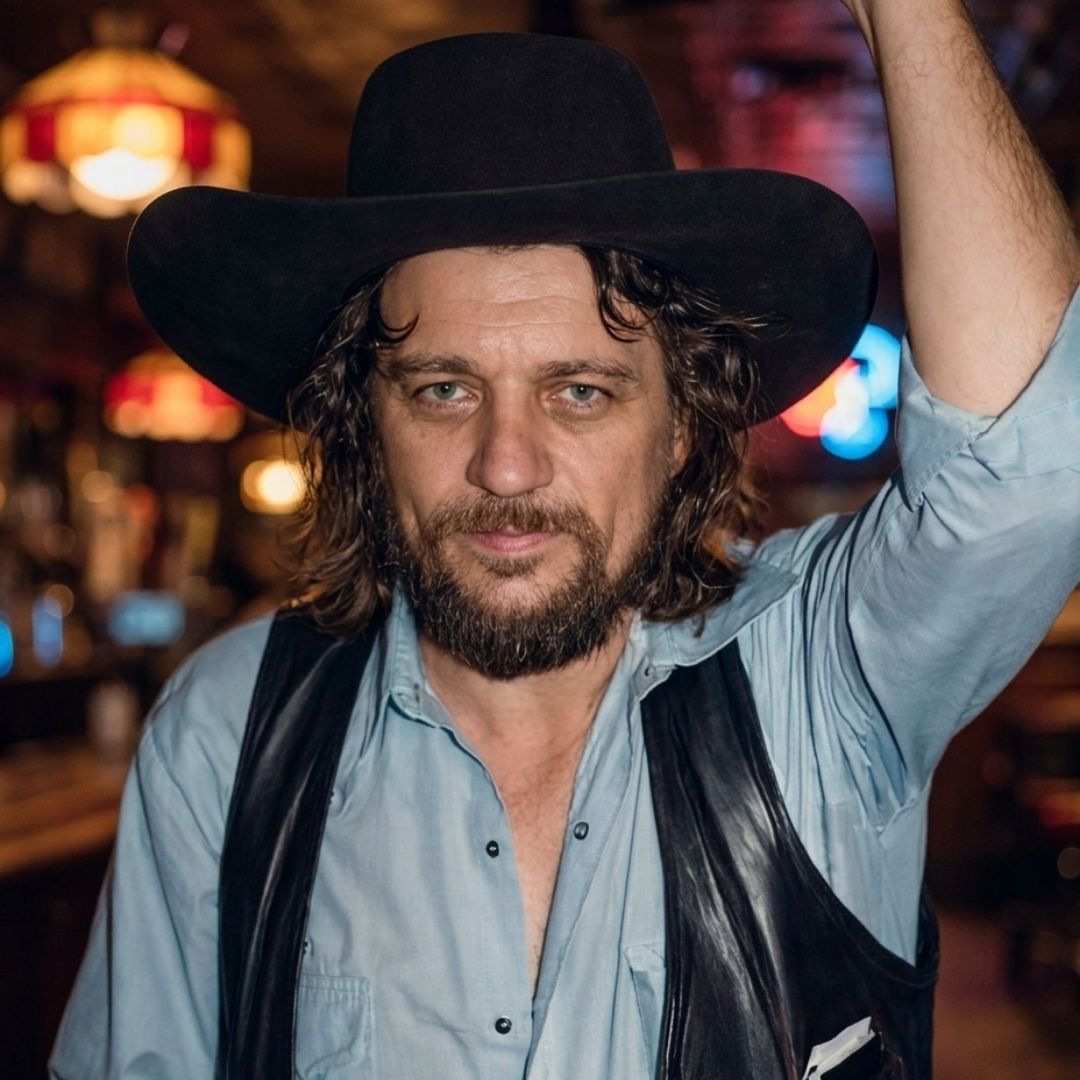
The Trouble Started In A Tiny Booth, Not On A Big Stage
Before Waylon Jennings became the face people now associate with outlaw country, he was a teenage disc jockey at KVOW in Littlefield, Texas, trying to sound like a proper local radio boy while his ears were already pulling somewhere wider. Biographical accounts say his show mixed country with early rock and rhythm-and-blues, including Chuck Berry, Ray Charles, and Little Richard. That was enough to aggravate the station owner long before Waylon had any “outlaw” image to sell.
He Did Not Get Fired For A Philosophy. He Got Fired For Two Little Richard Songs In A Row
That is what makes the story so good.
Waylon later recalled that every time he played a Little Richard record, the owner would come down and cuss him out. Then one night he played two Little Richard records back to back, and that was the end of the job. Multiple later summaries of his early career preserve that detail almost word for word, tracing it to the standard biographies of his life.
The Ear Came Before The Myth
The power of the moment is that none of the later legend existed yet.
No leather vest.
No outlaw branding.
No movement.
Just a kid in a booth hearing something alive in those records and refusing to turn away from it fast enough to keep his boss comfortable. The station wanted a narrower sound. Waylon’s taste was already drifting toward something rougher, less obedient, and harder to fence in. That early radio mix of country and rock was part of the same restless instinct that would later make him feel so different from the Nashville system.
Getting Fired Opened The Road That Came Next
Losing the KVOW job did not end anything for him. It pushed him onward. The same period of radio work and local performing led him into Lubbock, where he found more DJ work and moved closer to the world around Buddy Holly. Standard accounts of his life place the firing before that next chapter, which means two Little Richard records did not just cost him a shift. They helped move him toward the wider life that followed.
What The Story Leaves Behind
The version worth keeping is not only that Waylon Jennings once got fired as a teenage DJ.
It is that the offense was musical instinct before it was identity. He was not trying to be an outlaw yet. He was just following his ear into sounds the room around him did not want. Sometimes the outlaw story does not begin with a manifesto.
Sometimes it begins with two Little Richard records and a boy who leaves them on the air anyway.