“Scroll down to the end of the article to listen to music.”

The Album Looked Like A Gang. The Spine Looked Like A Contract.

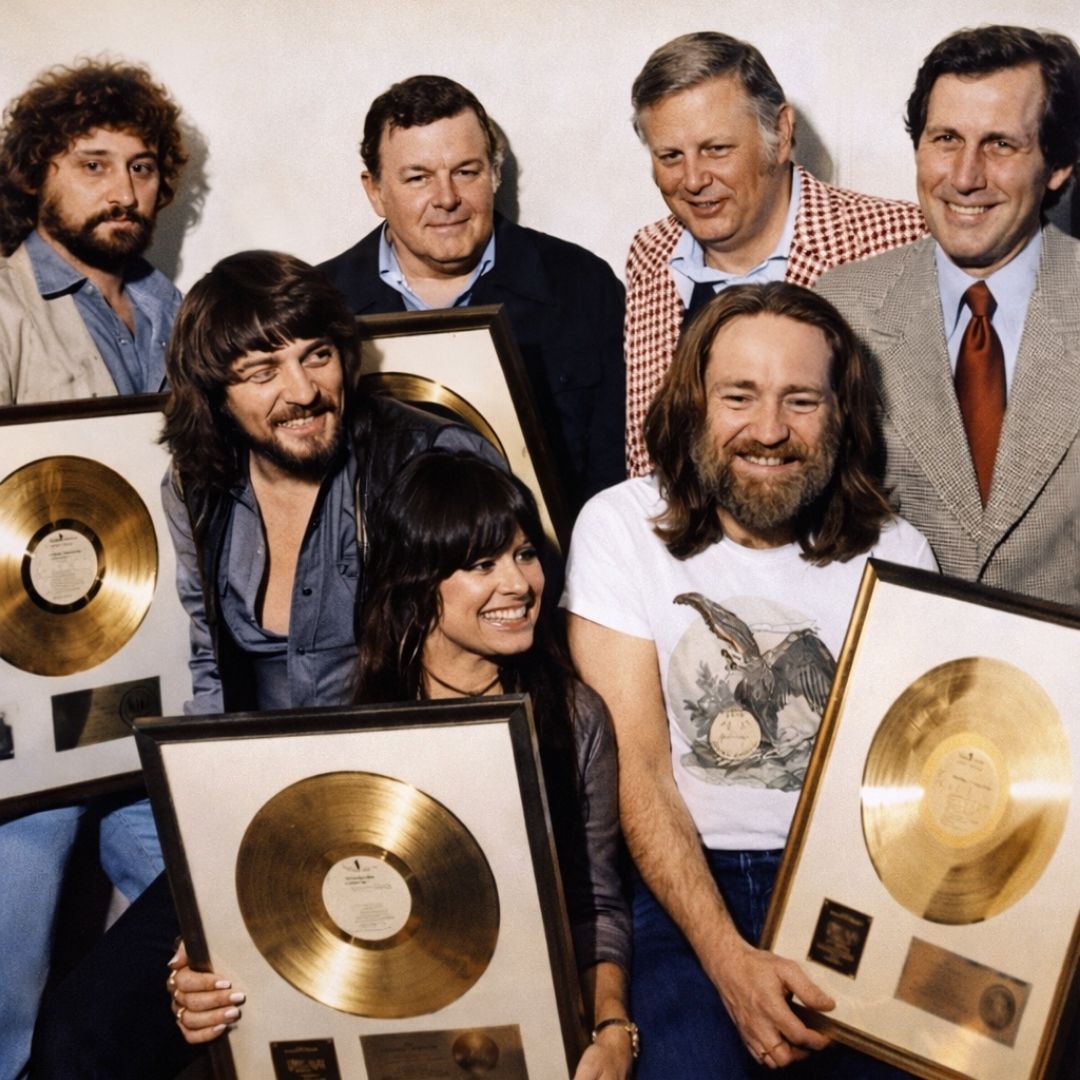
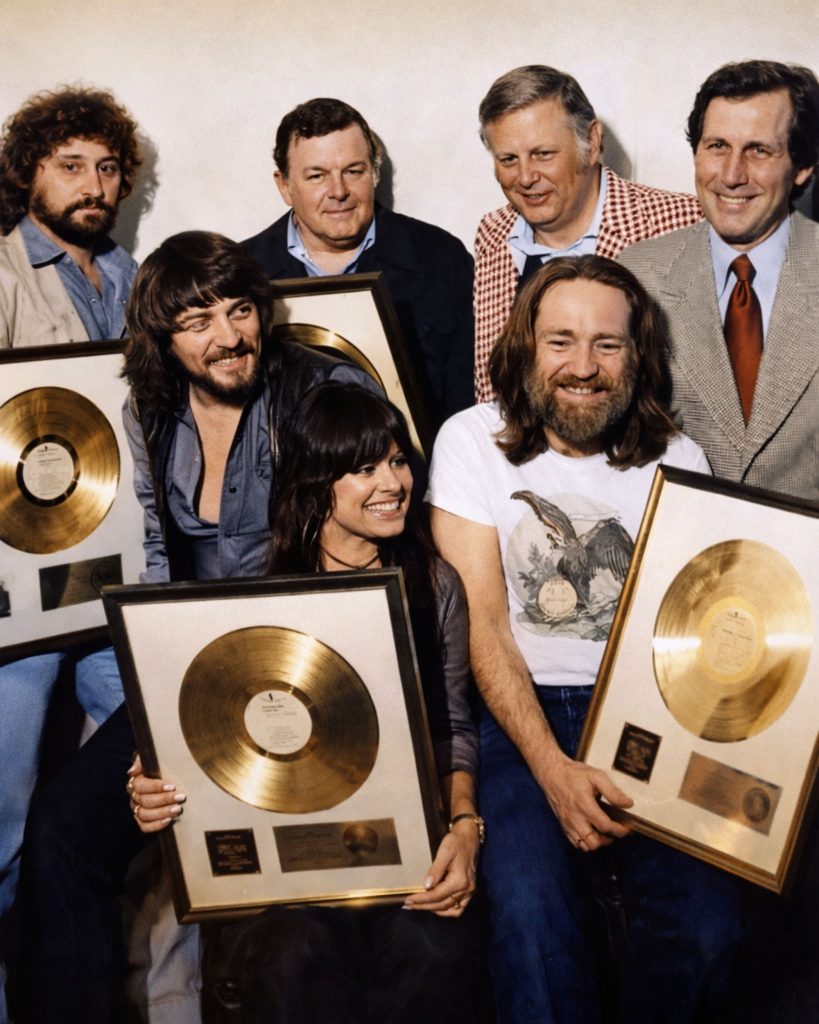
Everybody remembers Wanted! The Outlaws as a four-name statement.

Waylon Jennings.
Willie Nelson.
Jessi Colter.
Tompall Glaser.

That is the image people carry: a country supergroup turning rebellion into something big enough to sell. And that part is real. The album became country music’s first platinum seller and helped fix the outlaw movement in the public imagination.

But the smallest detail on the package told a different story.

On the album spine, only Waylon Jennings’s name appeared. Not because the others mattered less. Not because the record belonged to him in spirit. Because he was the only one of the four still under contract to RCA, and the label handled the packaging accordingly. The Country Music Hall of Fame states that plainly.

The Most Famous Outlaw Record Still Had The Machine Printed On Its Side

That is what makes the detail so good.

A record remembered as one of country music’s great anti-establishment statements still had to pass through the exact kind of corporate logic the outlaw movement was pushing against. The cover sold freedom, swagger, and collective myth. The spine sold paperwork.

That does not weaken the legend.

It sharpens it.

Because rebellion in country music was never floating outside the industry altogether. It was happening inside contracts, label offices, release schedules, and all the rules that still decided whose name could legally be printed where. Wanted! The Outlaws sounded bigger than Nashville polish, but it still had RCA’s fingerprints pressed into the smallest part of the package.

The Record Became Historic Anyway

Released in January 1976, Wanted! The Outlaws was a compilation built from previously released material plus a handful of new tracks, designed to capitalize on the outlaw-country surge surrounding Jennings and Nelson. It hit No. 1 on the country chart, crossed to No. 10 on the pop chart, and in November 1976 became the first country album to receive platinum certification from the RIAA.

That means the irony runs even deeper.

One of the most famous “group” albums in country history carried only one name on its spine, yet the culture heard all four people in it anyway. The label system narrowed the printed credit. The music widened the meaning back out.

What The Story Leaves Behind

The version worth keeping is not just that Wanted! The Outlaws was country music’s first platinum album.

It is that one of the great outlaw records arrived with the industry stamped right onto its side. Four artists helped make the statement. One name got the spine because one contract still controlled the packaging.

That makes the album feel even more outlaw, not less.

The rebellion was real.
So was the machine it had to pass through just to get into your hands.

Video

Related Post

THE SONG THAT MADE HOMESICKNESS A HIT RECORD “DETROIT CITY” WAS NOT ABOUT WINNING. IT WAS ABOUT A SOUTHERN MAN TOO PROUD TO TELL HOME HE WAS LOSING. Bobby Bare had already been around the business before country music truly claimed him. He had tasted early pop success, worn the wrong kind of labels, toured, recorded, and tried to figure out where his voice actually belonged. Then Chet Atkins signed him to RCA in 1962, and Bare started moving into a space that was neither slick Nashville nor straight folk. It was something plainer. Story songs. Working men. Drifters. People caught between where they came from and where they had to live. Then came “Detroit City.” Mel Tillis and Danny Dill had written the bones of it. The story was simple enough to hurt: a man working up North tells everybody back home he is doing fine, while the truth is eating him alive. Detroit was not just a city in the song. It was a symbol for all the Southern men who had gone looking for wages and found loneliness instead. Bare recorded it in 1963. He did not sing it like a hero. He sang it like a man trying not to let his mother hear the break in his voice. The spoken recitation in the middle made the lie feel worse. He could say he was successful. The listener knew better. The record crossed over. It reached the country Top 10, climbed to No. 16 on the pop chart, and won a Grammy for Best Country & Western Recording. Bobby Bare did not need a bar fight or a death scene to make the song heavy. All he needed was a man far from home, pretending he was all right.

CAPITOL WAS READY TO DROP HIM. THEN AN ATLANTA DJ PLAYED “EASY LOVING” — AND FREDDIE HART’S 18-YEAR WAIT TURNED INTO A NO. 1 RECORD. Freddie Hart did not become famous quickly. He came out of Loachapoka, Alabama, born Frederick Segrest, one of the children in a poor sharecropper family. Music was there early, but so was work. He learned guitar young, left school young, and at 15 lied about his age to join the Marines during World War II. After the war, he tried to build a country career the hard way. He wrote songs. Cut records. Moved through labels. Other singers found pieces of him before radio fully did. Carl Smith had a hit with “Loose Talk.” Porter Wagoner cut “Skid Row Joe.” Freddie kept recording, but for years his own chart life never broke wide open. By 1971, Capitol did not see much future left. His single “California Grapevine” had stalled. The label was ready to let him go. “Easy Loving” was sitting there like one more record from a man Nashville had already decided was not going to happen. Then a DJ in Atlanta started playing it. The response was immediate. Listeners called. The song spread. Capitol had to turn around and re-sign the singer it had been ready to drop. By September 1971, “Easy Loving” was No. 1 on the country chart. Then it did something even stranger. It won CMA Song of the Year in 1971. Then won again in 1972. Freddie Hart had spent nearly two decades trying to get country music to stop passing him by. In the end, one DJ played the song Nashville had almost buried — and the door opened from the wrong city.

“WHISKEY RIVER” WAS CLIMBING THE CHARTS WHEN JOHNNY BUSH’S THROAT STARTED BETRAYING HIM. Johnny Bush was not built like a Nashville pretty boy. He came out of Houston, played drums, sang honky-tonk, and found his way into the same Texas bloodstream that carried Ray Price and Willie Nelson. In 1963, he joined Ray Price’s Cherokee Cowboys. Willie was close enough to know the talent was real, and later helped push him forward when Bush was still trying to turn Texas respect into a national career. The voice was the weapon. They called him the “Country Caruso” because he could climb into high notes most country men would not even chase. By the early 1970s, Bush had regional heat, RCA behind him, and a song that sounded like it could change everything. “Whiskey River.” It was his record first. His hurt first. His river first. Then the throat began to close. The high notes that had once come easy started breaking. Some nights he could barely talk. Doctors missed it for years. Bush thought maybe he was being punished. RCA dropped him. The career that had finally opened began shutting in his face. In 1978, the condition was finally named: spasmodic dysphonia, a rare neurological disorder affecting the voice. Willie Nelson kept singing “Whiskey River.” It became one of Willie’s signature songs, the kind of opener fans expected before the night could truly begin. Johnny Bush lived long enough to reclaim part of his voice, record again, and become a Texas elder. But the cruelest cut was still there. The song that should have carried him into country’s front row became immortal in another man’s mouth.

You Missed

THE SONG THAT MADE HOMESICKNESS A HIT RECORD “DETROIT CITY” WAS NOT ABOUT WINNING. IT WAS ABOUT A SOUTHERN MAN TOO PROUD TO TELL HOME HE WAS LOSING. Bobby Bare had already been around the business before country music truly claimed him. He had tasted early pop success, worn the wrong kind of labels, toured, recorded, and tried to figure out where his voice actually belonged. Then Chet Atkins signed him to RCA in 1962, and Bare started moving into a space that was neither slick Nashville nor straight folk. It was something plainer. Story songs. Working men. Drifters. People caught between where they came from and where they had to live. Then came “Detroit City.” Mel Tillis and Danny Dill had written the bones of it. The story was simple enough to hurt: a man working up North tells everybody back home he is doing fine, while the truth is eating him alive. Detroit was not just a city in the song. It was a symbol for all the Southern men who had gone looking for wages and found loneliness instead. Bare recorded it in 1963. He did not sing it like a hero. He sang it like a man trying not to let his mother hear the break in his voice. The spoken recitation in the middle made the lie feel worse. He could say he was successful. The listener knew better. The record crossed over. It reached the country Top 10, climbed to No. 16 on the pop chart, and won a Grammy for Best Country & Western Recording. Bobby Bare did not need a bar fight or a death scene to make the song heavy. All he needed was a man far from home, pretending he was all right.

CAPITOL WAS READY TO DROP HIM. THEN AN ATLANTA DJ PLAYED “EASY LOVING” — AND FREDDIE HART’S 18-YEAR WAIT TURNED INTO A NO. 1 RECORD. Freddie Hart did not become famous quickly. He came out of Loachapoka, Alabama, born Frederick Segrest, one of the children in a poor sharecropper family. Music was there early, but so was work. He learned guitar young, left school young, and at 15 lied about his age to join the Marines during World War II. After the war, he tried to build a country career the hard way. He wrote songs. Cut records. Moved through labels. Other singers found pieces of him before radio fully did. Carl Smith had a hit with “Loose Talk.” Porter Wagoner cut “Skid Row Joe.” Freddie kept recording, but for years his own chart life never broke wide open. By 1971, Capitol did not see much future left. His single “California Grapevine” had stalled. The label was ready to let him go. “Easy Loving” was sitting there like one more record from a man Nashville had already decided was not going to happen. Then a DJ in Atlanta started playing it. The response was immediate. Listeners called. The song spread. Capitol had to turn around and re-sign the singer it had been ready to drop. By September 1971, “Easy Loving” was No. 1 on the country chart. Then it did something even stranger. It won CMA Song of the Year in 1971. Then won again in 1972. Freddie Hart had spent nearly two decades trying to get country music to stop passing him by. In the end, one DJ played the song Nashville had almost buried — and the door opened from the wrong city.

“WHISKEY RIVER” WAS CLIMBING THE CHARTS WHEN JOHNNY BUSH’S THROAT STARTED BETRAYING HIM. Johnny Bush was not built like a Nashville pretty boy. He came out of Houston, played drums, sang honky-tonk, and found his way into the same Texas bloodstream that carried Ray Price and Willie Nelson. In 1963, he joined Ray Price’s Cherokee Cowboys. Willie was close enough to know the talent was real, and later helped push him forward when Bush was still trying to turn Texas respect into a national career. The voice was the weapon. They called him the “Country Caruso” because he could climb into high notes most country men would not even chase. By the early 1970s, Bush had regional heat, RCA behind him, and a song that sounded like it could change everything. “Whiskey River.” It was his record first. His hurt first. His river first. Then the throat began to close. The high notes that had once come easy started breaking. Some nights he could barely talk. Doctors missed it for years. Bush thought maybe he was being punished. RCA dropped him. The career that had finally opened began shutting in his face. In 1978, the condition was finally named: spasmodic dysphonia, a rare neurological disorder affecting the voice. Willie Nelson kept singing “Whiskey River.” It became one of Willie’s signature songs, the kind of opener fans expected before the night could truly begin. Johnny Bush lived long enough to reclaim part of his voice, record again, and become a Texas elder. But the cruelest cut was still there. The song that should have carried him into country’s front row became immortal in another man’s mouth.

WILLIE NELSON AND MERLE HAGGARD TOOK “PANCHO AND LEFTY” TO NO. 1. THE MAN WHO WROTE IT WAS STILL TOWNES VAN ZANDT — BROKE, BRILLIANT, AND HARD TO SAVE. Townes Van Zandt did not look like Nashville’s idea of a hitmaker. He was born into a prominent Texas family, but he kept walking away from anything that looked stable. College did not hold him. The Air Force would not take him. Doctors had already stamped hard words on his life before country music ever learned what to do with his songs. Then came the road. Townes wrote like a man who had already seen the end of the room. “Waitin’ Round to Die.” “If I Needed You.” “To Live Is to Fly.” The songs sounded too literary for barrooms and too broken for polite folk clubs, but other writers knew. Guy Clark knew. Steve Earle knew. The Texas circle treated him like a ghost who was still alive. “Pancho and Lefty” was one of those songs. It did not make Townes a radio star when he cut it. The real explosion came years later, when Willie Nelson and Merle Haggard recorded it together. In 1983, their version went to No. 1 on the country chart. Suddenly the whole country knew the outlaw ballad, even if many people still did not know the man who had written it. The money helped. The fame, somehow, did not rescue him. Townes kept drifting through alcohol, illness, bad rooms, and songs that felt too clean for the life around them. In late 1996, he injured his hip badly. After surgery, he went home to Smyrna, Tennessee. On January 1, 1997, Townes Van Zandt died at 52. Forty-four years to the day after Hank Williams. That sounds like legend now. At the time, it was just another Texas songwriter gone before the world finished catching up.