The Broken Sound He Had The Nerve To Keep
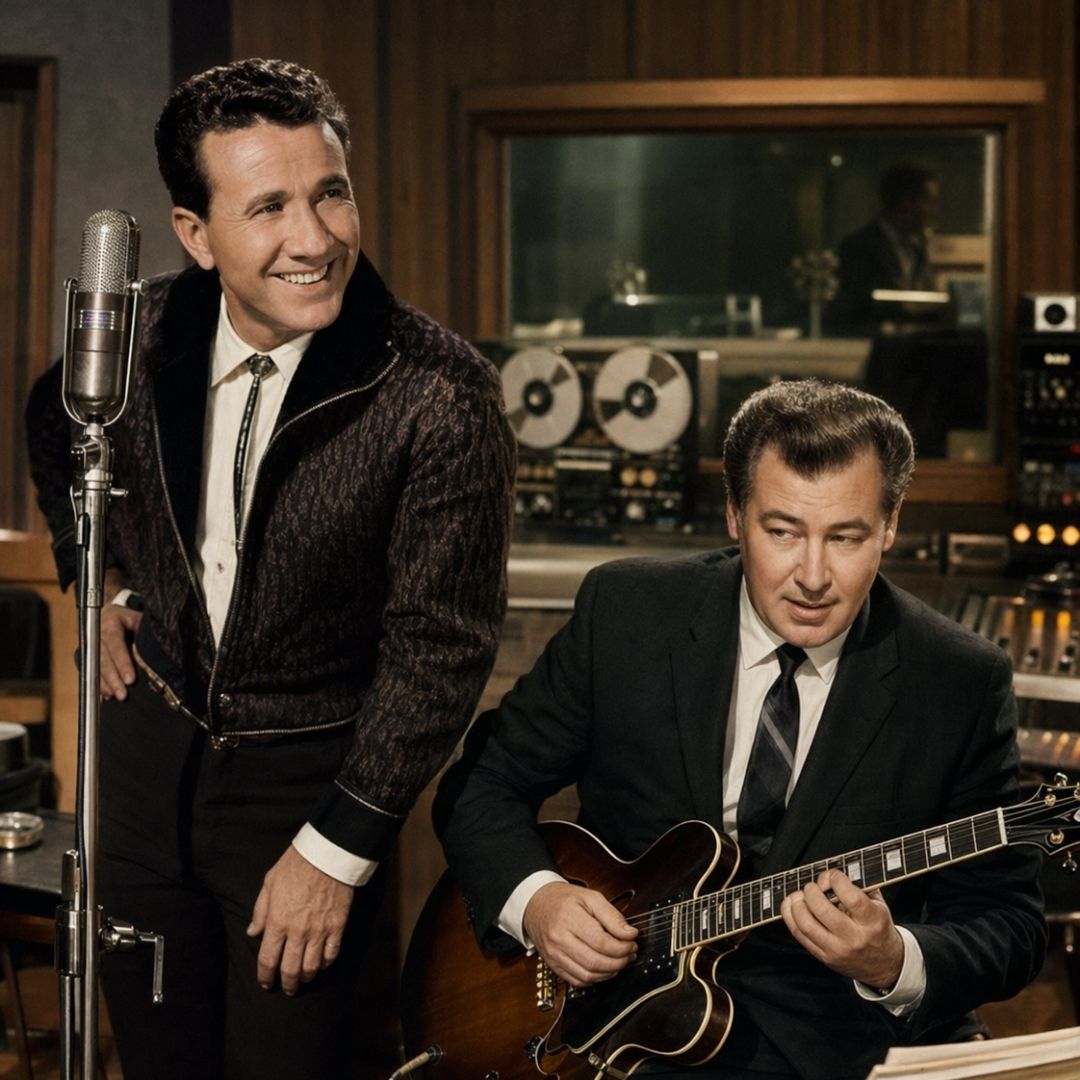
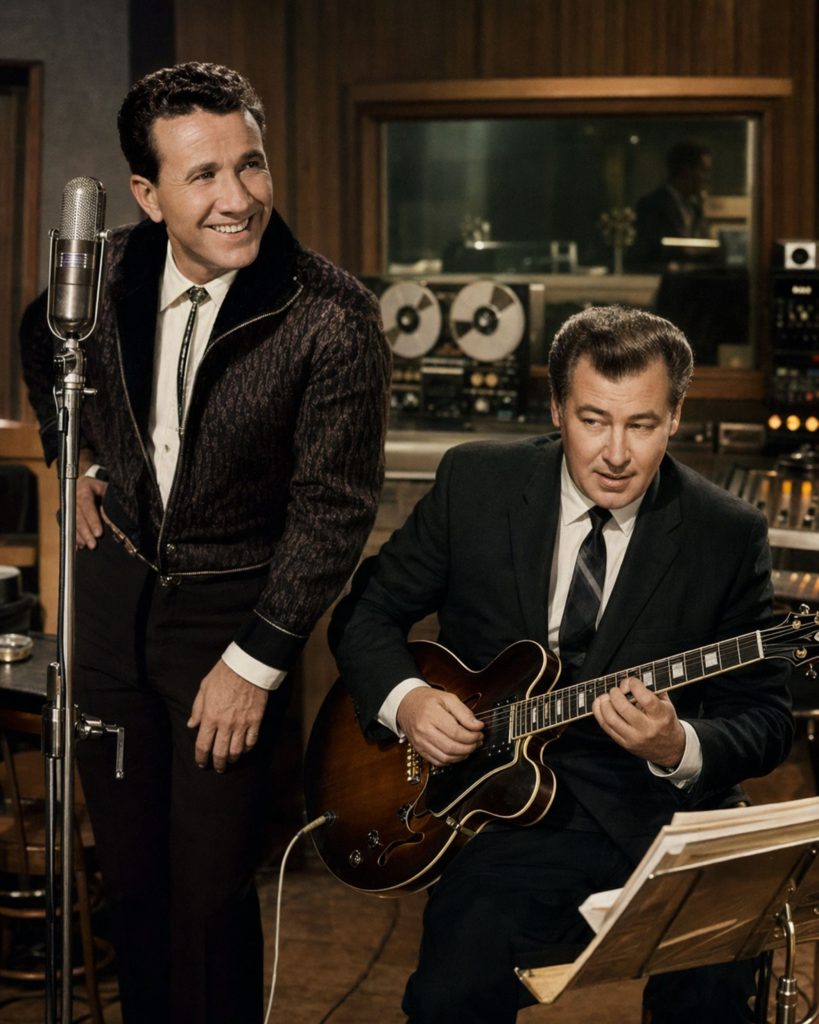
In 1961, Marty Robbins walked into a Nashville session to record “Don’t Worry.”
Nothing about the setup suggested history was about to bend. It was supposed to be a clean, controlled heartbreak record — the kind of performance Marty could deliver better than almost anyone. Smooth voice. Careful phrasing. A song built to stay inside the lines.
Then the studio chain broke open.
During the session, Grady Martin’s instrument came back with a distorted, harsh, splintered sound no one had planned. It did not belong to the polished world people usually associate with Marty Robbins. It sounded damaged. Wrong. Almost violent compared to everything around it.
He could have stopped the take.
He did not.
The Accident Was Bigger Than The Song
That decision is the part worth holding onto.
Because accidents happen in studios all the time. Most of them disappear. Someone resets the equipment. Someone asks for another pass. The mistake gets cleaned up before the public ever hears it.
This one survived because somebody in the room understood that wrong and interesting are not always the same thing.
Marty Robbins was not trying to invent a new era of sound. He was making a country record. But by letting that strange broken tone stay alive inside the track, he became part of a moment that reached far beyond country music. “Don’t Worry” went to No. 1 on the country chart and No. 3 pop, and that accidental sound would later be remembered as one of the key sparks behind the commercial rise of fuzz.
A clean session suddenly left fingerprints on the future of rock.
It Came From The Least Expected Man
That contrast makes the story stronger.
When people picture Marty Robbins, they usually see elegance first. The western suits. The velvet phrasing. The desert songs. The man who could make country music feel cinematic without ever sounding messy. He does not fit the easy myth of somebody dragging popular music into rougher territory.
But that is exactly why the story stays with you.
One of the most refined voices in country was standing in the room when recorded music briefly cracked and came back sounding harder, meaner, and more modern. Not because he chased danger. Not because he wanted to tear the form apart. Simply because he recognized that the accident had life in it.
Some artists protect beauty by smoothing everything over.
Marty protected it by letting one jagged edge remain.
He Heard Something New Before Everyone Had A Name For It
The most interesting shifts in music do not always arrive with manifestos.
Sometimes they come in sideways.
A studio glitch. A strange sound in the headphones. A few seconds that should not work but do. The future often enters that way — not announced, just tolerated long enough to be heard.
That is where Marty Robbins matters in this story.
He was not the loudest revolutionary in the room. He was the artist with enough instinct not to panic when the song suddenly sounded unfamiliar. That takes a different kind of confidence. Not the confidence to dominate a moment, but the confidence to leave it alone.
He trusted the record enough to let the fracture stay inside it.
And once it was out in the world, music did not sound quite the same again.
The Story Changes The Way You See Him
This is why “Don’t Worry” feels larger than a hit.
It reveals a side of Marty Robbins people do not talk about enough. Not just the stylist, not just the storyteller, not just the polished star — but the man with the ear to recognize that something unintended could still be worth keeping.
That kind of instinct belongs to real artists.
He did not change the sound of popular music by trying to look rebellious.
He did not do it by chasing innovation for its own sake.
He did it in a quieter way.
He heard an accident.
He understood it had power.
And he let the world hear it too.
Video