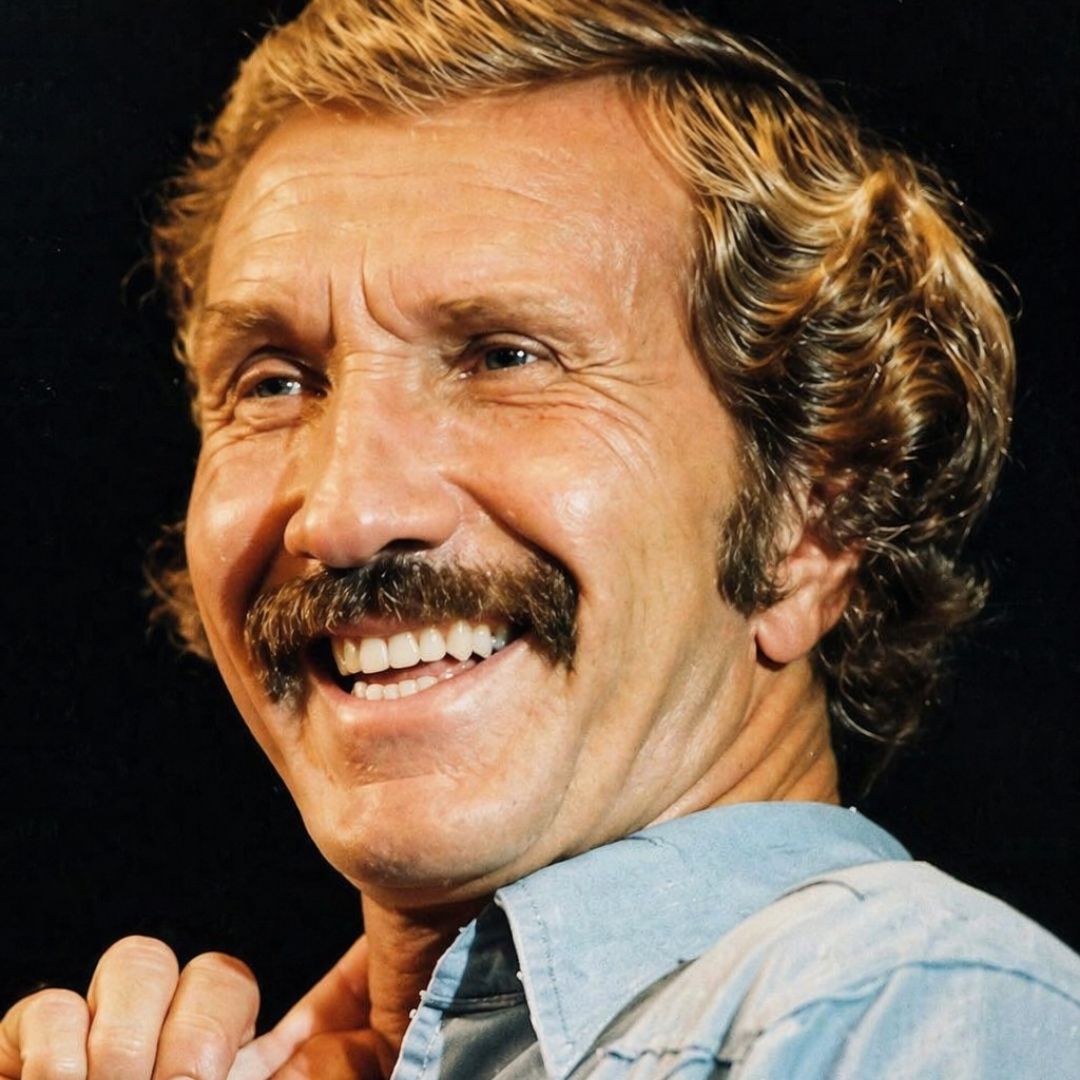
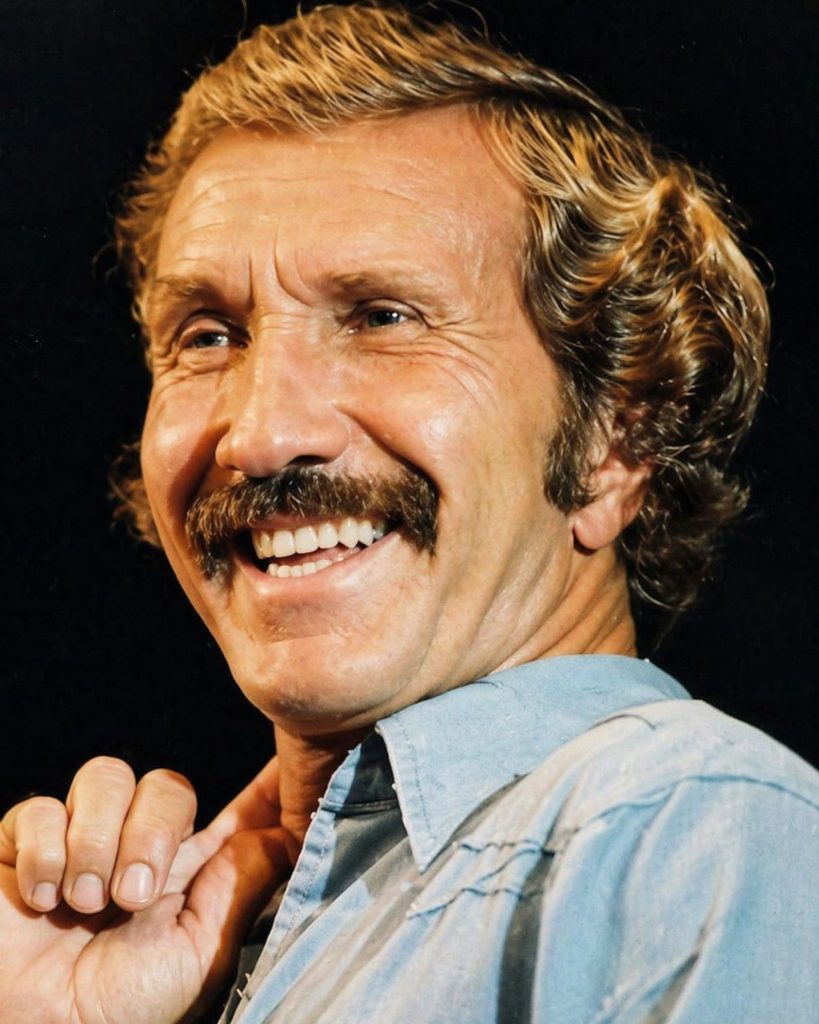
He Let Them Open His Chest — Then Went Right Back To Living Fast
By the end of the 1960s, Marty Robbins already had the kind of career most men spend a lifetime trying to build. The hits were there. The voice was there. The image was already set.
Then his heart gave way.
After a heart attack in August 1969, Marty underwent coronary bypass surgery on January 27, 1970 — at a time when the procedure still carried the aura of something new, risky, and not yet fully settled in the public mind. On paper, it reads like a medical fact. In real life, it meant handing his future over to a table and hoping he would come back with enough breath left to still be himself.
That is a different kind of courage than the stage usually asks for.
The Songs Changed Because He Had Changed
What followed was not just a recovery.
It was a return shaped by a man who had been forced to look more closely at what could be lost. Within months, he was back in public life. He received the Academy of Country Music’s Man of the Decade honor, which could have made the moment feel like a victory lap.
But the more revealing part came in the music.
“My Woman, My Woman, My Wife” did not arrive like one of Marty’s larger-than-life western dramas. It came in softer. More grateful. More human-sized. The song is full of ordinary devotion — the labor, the patience, the unglamorous love that survives daily life. It sounds like a man who had gone close enough to danger to understand that tenderness was not a smaller subject. It was the real one.
He Did Not Come Back Cautious
A lot of people could understand returning to music after something like that.
Music still made sense. Music was home.
Racing was something else.
Stock-car racing had already been part of Marty Robbins’s life before the surgery, and after all that uncertainty, he still went back to NASCAR in October 1970. That detail tells you something no tribute line ever could. He had already seen how fragile the body was. He had already trusted surgeons with his chest. He knew risk now in a more intimate way than most men ever do.
And he still chose speed.
There is something almost defiant in that. Not foolish exactly. Not simple bravado. More like a refusal to let fear become the new center of his life.
He Kept Testing The Same Fate In Different Rooms
That is what makes the story hold together.
The hospital. The stage. The speedway.
Different rooms, same question: what does a man do after he realizes time is not theoretical anymore?
Marty’s answer was not retreat. He stepped away from racing briefly after crashes in the mid-1970s, then returned again and kept going almost to the end of his life. He did not reshape himself into someone gentler just because life had warned him.
He kept moving toward the things that made him feel most alive.
The Real Story Is Not Survival Alone
It is easy to tell this story as a comeback.
He had surgery. He recovered. He returned.
But that version misses the deeper part. Marty Robbins did not simply survive a frightening operation and resume a career. He came back with a sharper sense of what mattered, sang with more feeling for the ordinary people waiting at home, and still held on to the reckless streak that made him more than a polished star in a rhinestone suit.
He was not just the man who sang “El Paso.”
Not just the elegant western stylist people remember first.
He was a man who looked straight at the machinery that could end him — in a hospital, on a racetrack, inside his own chest — and went on living as if fear had been introduced, but not obeyed.