“Scroll down to the end of the article to listen to music.”

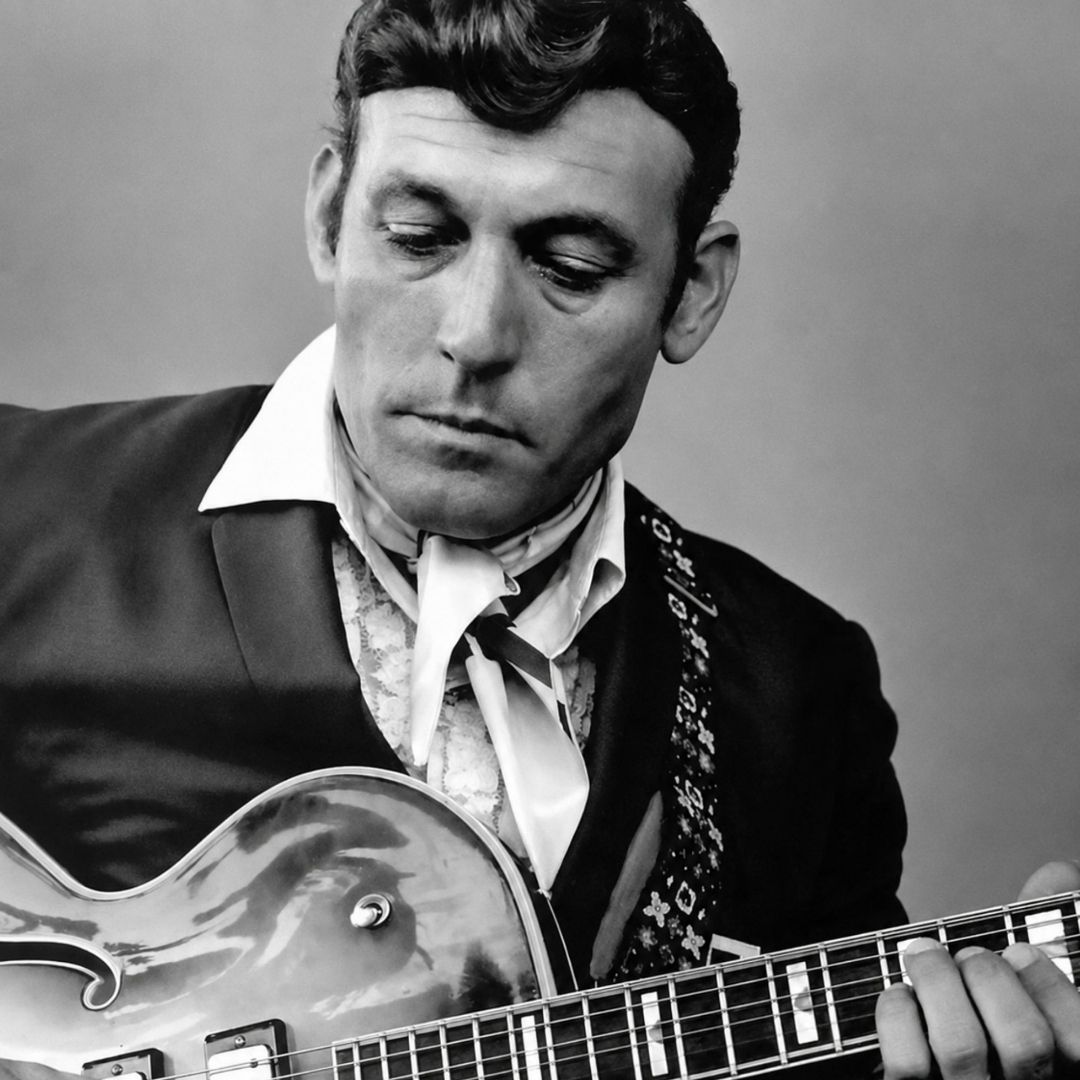
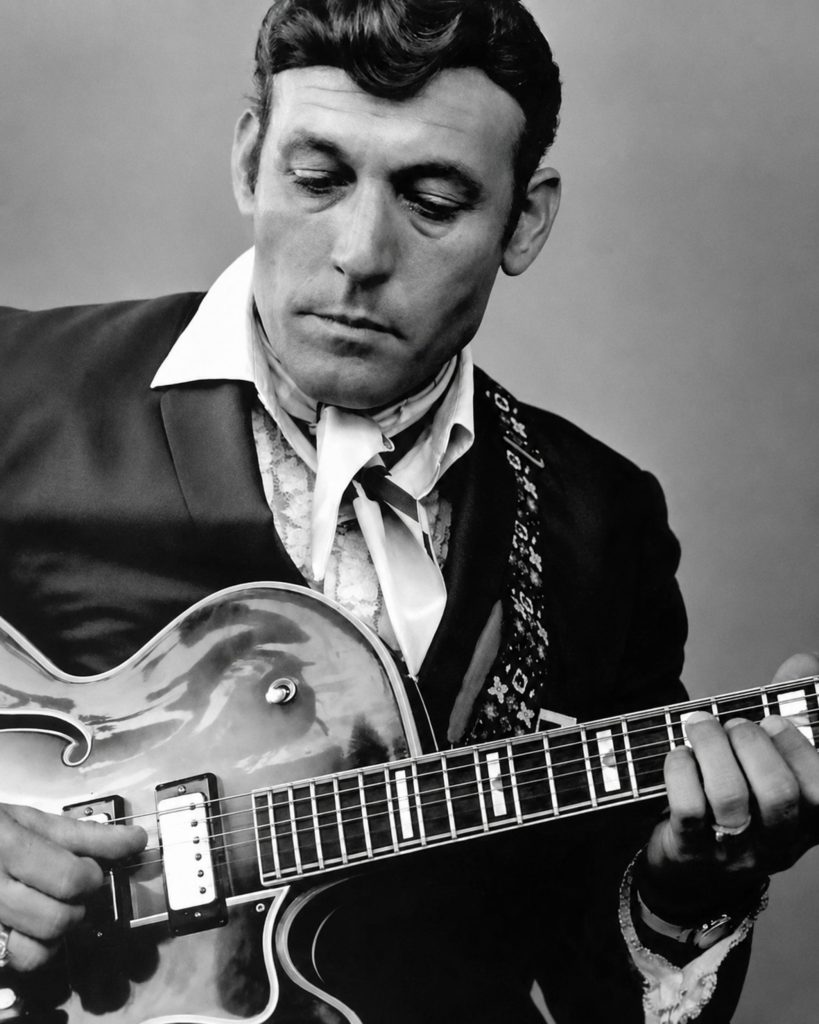
CARL PERKINS HAD “BLUE SUEDE SHOES” CLIMBING TOWARD HISTORY — THEN A CRASH TOOK HIM OFF THE ROAD BEFORE NATIONAL TELEVISION COULD CROWN HIM.

Some songs change music.

Some moments decide who gets remembered first.

Carl Perkins had already done the hard part. He had come out of Tennessee cotton-field poverty, played dances with his brothers, and built a sound that sat between country and something wilder.

Not clean Nashville.

Not polished pop.

Sun Records raw — hillbilly rhythm, blues heat, and a guitar snap sharp enough to make kids move before the world had fully named rock and roll.

Then The Shoes Started Running

“Blue Suede Shoes” was recorded at Sun in late 1955 and released in early 1956.

It did not move slowly.

Country listeners grabbed it.

Rock-and-roll kids grabbed it.

Even the R&B charts made room for it.

That was rare air. A poor Tennessee boy had cut a record that crossed lines most records never crossed, and Sam Phillips had a gold-record moment sitting right in front of him.

Carl Perkins was headed to New York.

The Perry Como Show was supposed to be the national door.

The Crash Came Before Sunrise

On March 22, 1956, near Dover, Delaware, the Perkins Brothers Band was on the road when their car crashed into a truck before dawn.

Carl was knocked unconscious.

His brother Jay was badly injured.

The television appearance disappeared in one violent second.

No national bow.

No clean breakthrough.

No chance to stand in front of America while the song was still climbing hot.

Instead, Carl was in a hospital bed.

Elvis Walked Into The Opening

That is where timing turned cruel.

While Carl Perkins was recovering, Elvis Presley performed “Blue Suede Shoes” on national television.

Elvis did not steal the song from him.

Carl had written it.

Carl had recorded it first.

Carl had already made it move.

But television has its own memory. America saw Elvis standing where Carl was supposed to stand, singing a song Carl had built from the floorboards up.

The record kept growing.

The spotlight shifted.

Carl Lost The One Thing A Hit Cannot Replace

He did not lose the song.

That matters.

“Blue Suede Shoes” was still his creation. His guitar. His phrasing. His rockabilly spark. His proof that country roots and black rhythm could collide inside one record and change the shape of popular music.

What he lost was the moment.

The camera.

The timing.

The public image that tells millions of people who arrived first.

For a poor man with a hit, timing can be as valuable as talent.

And far easier to lose.

What That Delaware Crash Really Leaves Behind

The deepest part of this story is not only that Carl Perkins survived the wreck.

It is that the crash changed the ownership of a memory.

A Sun Records hit.

A New York television booking.

A pre-dawn collision near Dover.

A hospital bed.

Elvis stepping into the national spotlight with Carl’s song while Carl could not stand there himself.

And somewhere inside “Blue Suede Shoes” was the hard truth rock and country history both understand:

Carl Perkins did not miss greatness.

He missed the camera that would have shown the world it was already his.

Video

Related Post

THE BUILDING DIDN’T LOOK LIKE A REVOLUTION. IT WAS JUST 916 19TH AVENUE SOUTH — UNTIL WAYLON, WILLIE, JESSI, AND TOMPALL TURNED IT INTO THE ROOM NASHVILLE COULDN’T CONTROL. Before “outlaw country” became a label, it had a building. Tompall Glaser had already been through the clean side of the business with the Glaser Brothers. Harmonies. Studio work. Nashville connections. Enough success to know how the system worked — and enough frustration to hate how tightly it held the artists. So he built his own place. Glaser Sound Studios, later known as Hillbilly Central, sat at 916 19th Avenue South in Nashville. It was not RCA. It was not a polished corporate room. It became the place where artists could stay late, cut rougher tracks, argue, smoke, drink, and make records that did not sound like they had been approved by a committee. Waylon Jennings came through that door. So did the outlaw circle around him. The songs did not begin as a movement. They began as tapes, sessions, arguments, and men trying to get their hands back on their own music. Then RCA saw what was happening and packaged the moment. In 1976, Wanted! The Outlaws came out with Waylon, Willie Nelson, Jessi Colter, and Tompall Glaser. It became the first country album certified platinum. People remember the album cover. The stranger story is the room behind it — one Nashville building where Tompall Glaser helped give outlaw country a headquarters before the industry figured out how to sell the rebellion back to everybody.

FOR TWELVE YEARS, HE CUT SHEET METAL BY DAY AND SANG IN BEER JOINTS BY NIGHT. THEN ONE DEMO TAPE PULLED MOE BANDY OUT OF SAN ANTONIO. The voice did not come from Music Row. It came from San Antonio. Moe Bandy had grown up around country music, but rodeo got to him first. As a teenager, he was riding broncs and bulls around Texas while his hands were still young enough to heal fast. The rodeo did not last. Too many injuries. So the day job took over. For years, Moe worked for his father as a sheet metal worker. Twelve years of regular labor. Cutting, bending, carrying, going home tired, then getting back out at night to play honky-tonks with his band, Moe and the Mavericks. Small rooms. Beer joints. Long drives around San Antonio. Records on little labels that did not move. In 1964, “Lonely Girl” came and went without changing much. Then producer Ray Baker heard the demos. He told Moe to come to Nashville. One of the songs was “I Just Started Hatin’ Cheatin’ Songs Today.” It first came out on Footprint Records, then got picked up by GRC. In March 1974, it entered the country chart and eventually reached No. 17. That was not overnight success. That was twelve years of metal work, rodeo bruises, failed records, and barroom nights finally catching one break. Moe Bandy did not sing cheating songs like a man acting sad. He sounded like somebody who had spent half his life working all day, then walking into rooms where heartbreak was already sitting at the bar.

You Missed

THE BUILDING DIDN’T LOOK LIKE A REVOLUTION. IT WAS JUST 916 19TH AVENUE SOUTH — UNTIL WAYLON, WILLIE, JESSI, AND TOMPALL TURNED IT INTO THE ROOM NASHVILLE COULDN’T CONTROL. Before “outlaw country” became a label, it had a building. Tompall Glaser had already been through the clean side of the business with the Glaser Brothers. Harmonies. Studio work. Nashville connections. Enough success to know how the system worked — and enough frustration to hate how tightly it held the artists. So he built his own place. Glaser Sound Studios, later known as Hillbilly Central, sat at 916 19th Avenue South in Nashville. It was not RCA. It was not a polished corporate room. It became the place where artists could stay late, cut rougher tracks, argue, smoke, drink, and make records that did not sound like they had been approved by a committee. Waylon Jennings came through that door. So did the outlaw circle around him. The songs did not begin as a movement. They began as tapes, sessions, arguments, and men trying to get their hands back on their own music. Then RCA saw what was happening and packaged the moment. In 1976, Wanted! The Outlaws came out with Waylon, Willie Nelson, Jessi Colter, and Tompall Glaser. It became the first country album certified platinum. People remember the album cover. The stranger story is the room behind it — one Nashville building where Tompall Glaser helped give outlaw country a headquarters before the industry figured out how to sell the rebellion back to everybody.

FOR TWELVE YEARS, HE CUT SHEET METAL BY DAY AND SANG IN BEER JOINTS BY NIGHT. THEN ONE DEMO TAPE PULLED MOE BANDY OUT OF SAN ANTONIO. The voice did not come from Music Row. It came from San Antonio. Moe Bandy had grown up around country music, but rodeo got to him first. As a teenager, he was riding broncs and bulls around Texas while his hands were still young enough to heal fast. The rodeo did not last. Too many injuries. So the day job took over. For years, Moe worked for his father as a sheet metal worker. Twelve years of regular labor. Cutting, bending, carrying, going home tired, then getting back out at night to play honky-tonks with his band, Moe and the Mavericks. Small rooms. Beer joints. Long drives around San Antonio. Records on little labels that did not move. In 1964, “Lonely Girl” came and went without changing much. Then producer Ray Baker heard the demos. He told Moe to come to Nashville. One of the songs was “I Just Started Hatin’ Cheatin’ Songs Today.” It first came out on Footprint Records, then got picked up by GRC. In March 1974, it entered the country chart and eventually reached No. 17. That was not overnight success. That was twelve years of metal work, rodeo bruises, failed records, and barroom nights finally catching one break. Moe Bandy did not sing cheating songs like a man acting sad. He sounded like somebody who had spent half his life working all day, then walking into rooms where heartbreak was already sitting at the bar.