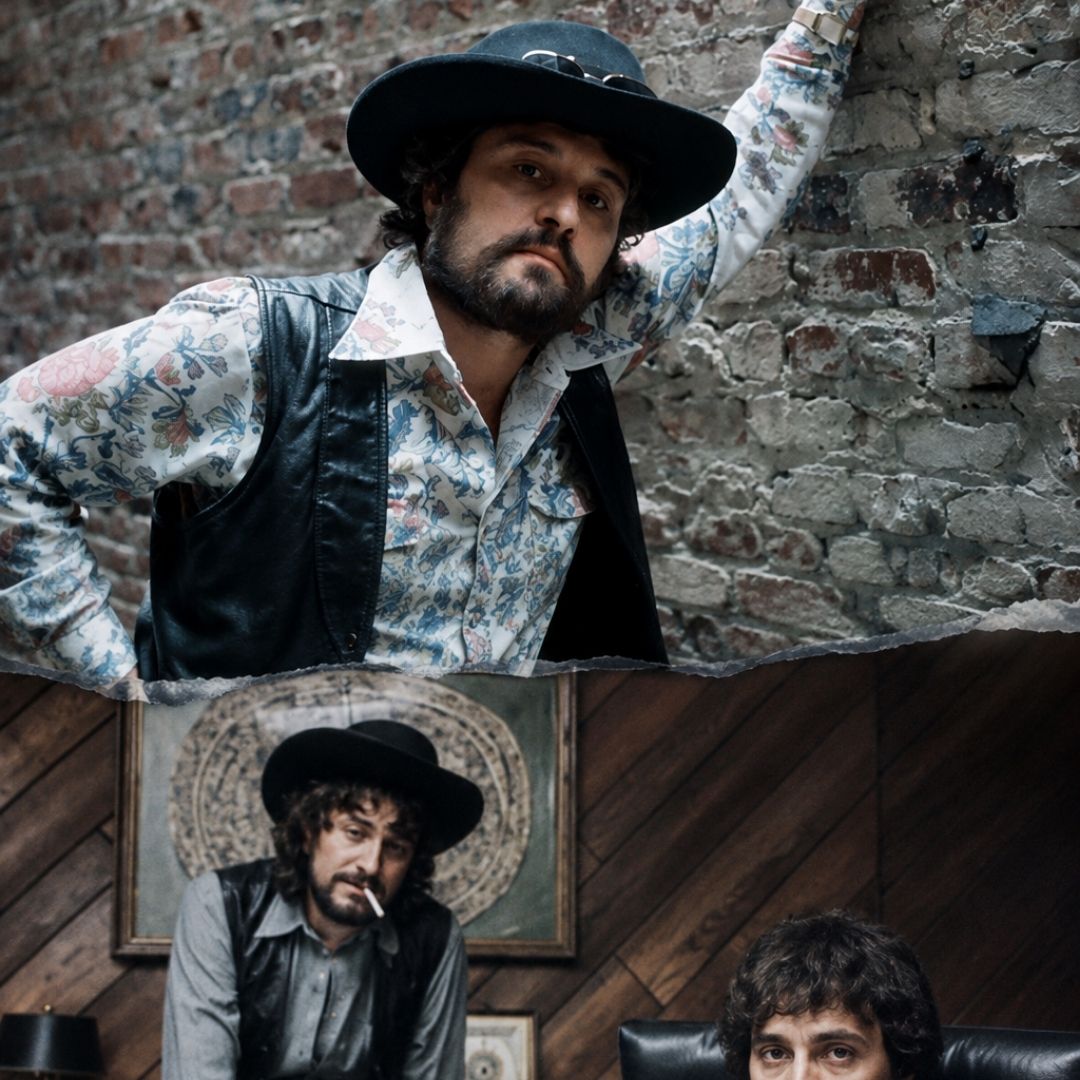
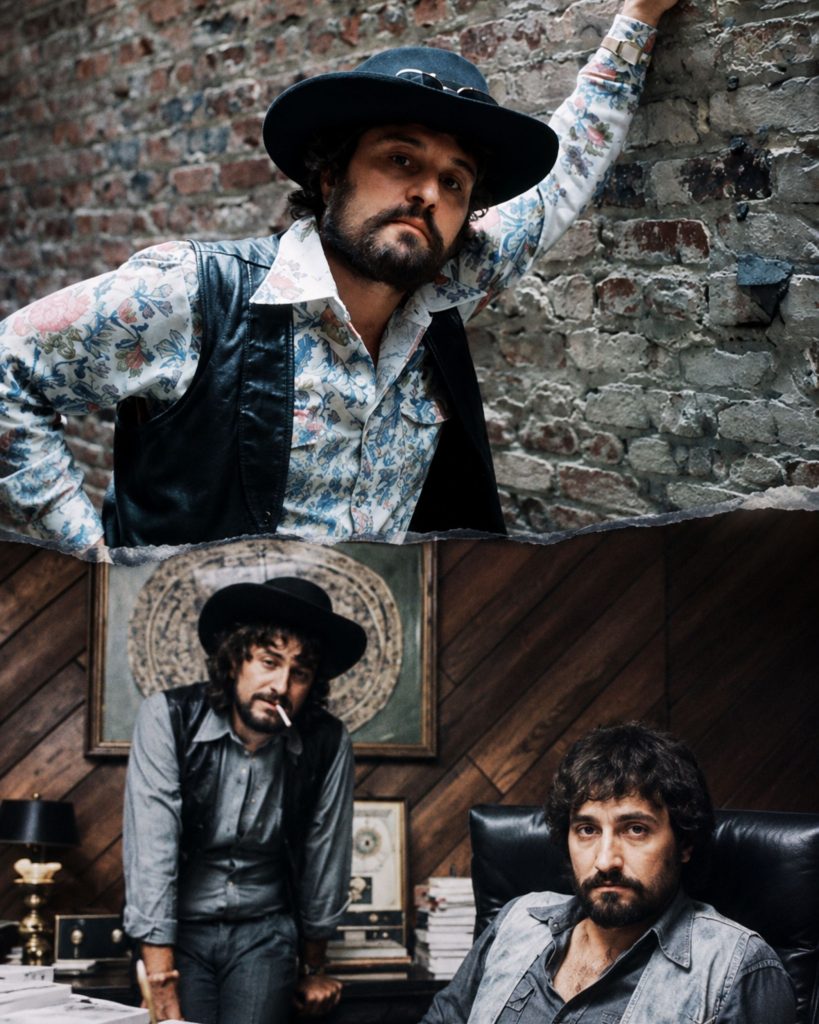
BEFORE OUTLAW COUNTRY HAD A PLATINUM ALBUM, IT HAD A BUILDING NASHVILLE COULD NOT FULLY CONTROL.
Some revolutions begin with a manifesto.
This one had an address.
916 19th Avenue South did not look like the kind of place that could rattle Nashville’s system. It was just a building. Four walls. Studio rooms. Late nights. Cigarette smoke. Tape rolling after the polite people had gone home.
But Tompall Glaser knew exactly why a room like that mattered.
He had already seen the clean side of the business.
And he knew how much it could take from an artist.
Tompall Had Been Inside The Machine
That is what made him dangerous.
Tompall Glaser was not an outsider complaining from the edge. With the Glaser Brothers, he had lived close to Nashville’s proper machinery — harmonies, sessions, contacts, rules, and the polished version of country music the business knew how to sell.
He understood the system because he had worked inside it.
That also meant he knew where it squeezed too hard.
So he built another room.
Hillbilly Central Was Not Built For Permission
Glaser Sound Studios, later known as Hillbilly Central, became the opposite of the controlled Nashville session.
It was not clean in the corporate sense.
It was not built to make every track behave.
Artists could stay late. Argue. Drink. Smoke. Cut rougher sounds. Try things before some office decided whether the idea was acceptable.
That freedom changed the air.
A song did not have to walk in wearing a suit.
Waylon Found The Room He Needed
Waylon Jennings came through that door at the right time.
He was fighting for control over his music, his band, his sound, and the right to stop being shaped into something smoother than he was.
Hillbilly Central gave men like Waylon a place where the fight could turn into tape.
Not theory.
Not image.
Actual recordings.
Actual decisions.
Actual sound escaping the leash.
The Movement Began Before The Marketing
That part matters.
Outlaw country did not begin as a clean label printed on an album cover.
It began messier.
Sessions.
Friendships.
Arguments.
Long nights.
Artists tired of being told how country music was supposed to sound.
The industry later found a way to package it, but the feeling came first. The hunger came first. The room came first.
Then RCA Sold The Rebellion Back
In 1976, Wanted! The Outlaws arrived with Waylon Jennings, Willie Nelson, Jessi Colter, and Tompall Glaser.
The cover made it look like a posse.
The sales made it history.
It became the first country album certified platinum, and suddenly the rebellion had a product the industry could understand.
That is the strange irony.
Nashville could not control the room at first.
Then it learned how to sell what came out of it.
What 916 19th Avenue South Really Leaves Behind
The deepest part of this story is not only that Wanted! The Outlaws became a landmark album.
It is that the sound needed a place to breathe before it became a movement.
A Nashville address.
Tompall Glaser opening the doors.
Waylon looking for control.
Willie, Jessi, and the outlaw circle moving through the same weather.
A studio where rough edges were not treated like mistakes.
And somewhere inside Hillbilly Central was the truth Nashville had to face:
Before outlaw country became something the industry could market, it was a room full of artists trying to take their own music back.