“Scroll down to the end of the article to listen to music.”
Introduction

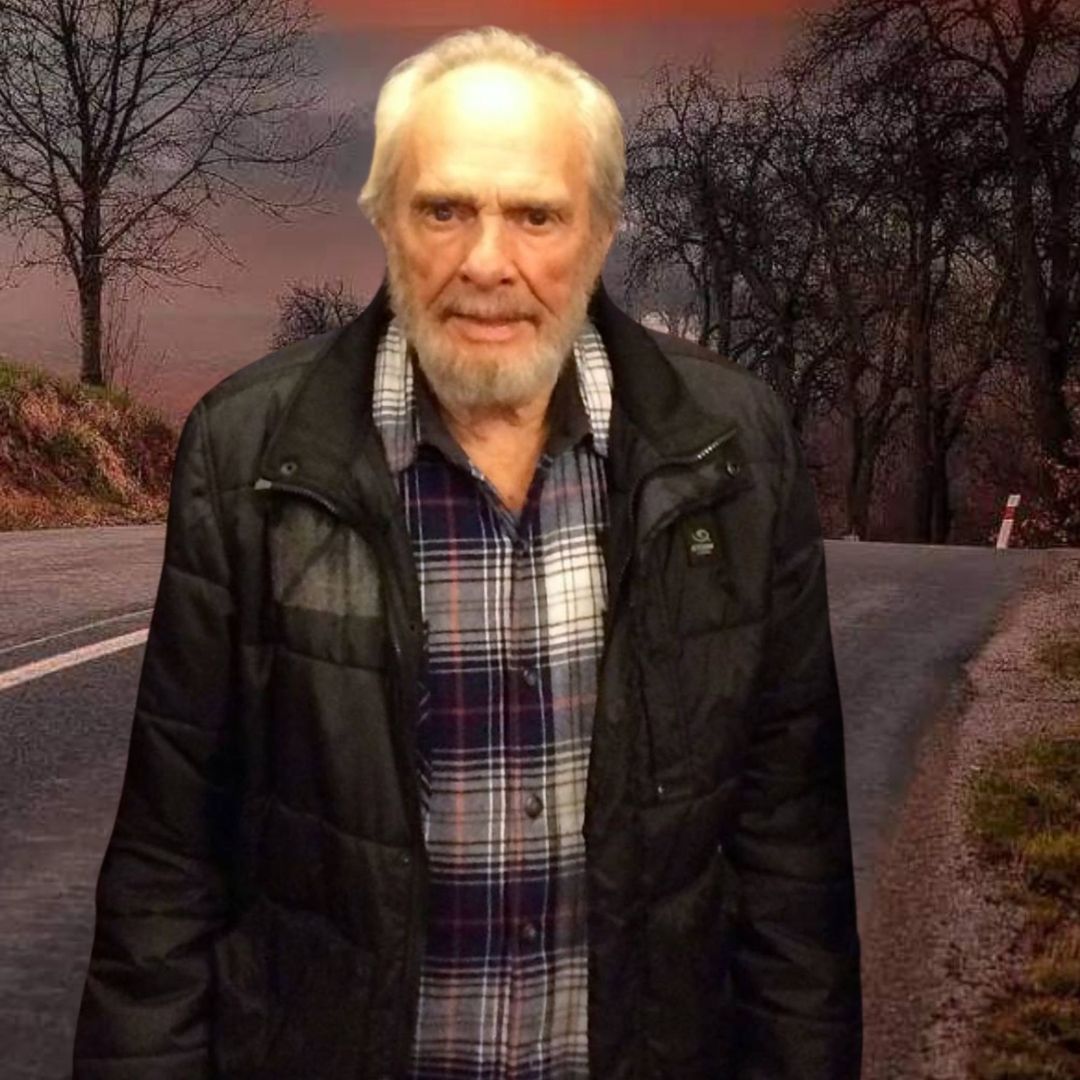
There’s a quiet kind of heartbreak in “Shelly’s Winter Love.” It’s not the loud, dramatic kind that comes with slammed doors or final goodbyes — it’s the one that lingers in the air long after the snow has settled. When Merle Haggard sings this song, it feels like he’s remembering someone he can’t quite forget, even though time keeps trying to pull her farther away.

The song paints a picture of a man caught between warmth and cold — both literal and emotional. Winter becomes a symbol for absence, for the stillness that follows love once it fades. And “Shelly” isn’t just a name here; she’s a memory, a ghost of something tender that didn’t last. Haggard delivers it with that familiar ache in his voice — gentle, steady, like someone talking through a sigh.

What’s remarkable is how personal it feels, even if you’ve never lived his story. There’s a line between loneliness and acceptance that Haggard walks so well in this song. You can sense he’s not angry, not even desperate — just quietly honest. Maybe that’s why it cuts so deep. It’s the sound of someone who knows love can be real and fleeting at the same time.

Recorded in 1971 for his album Hag, this song doesn’t try to outshine his hits; instead, it sits there like a soft confession — one of those tracks you stumble upon late at night and end up replaying because it feels like it was written for you. That’s Merle’s magic: he could take an ordinary story and turn it into something timeless, something you feel in the spaces between words.

If you’ve ever loved someone who became a season in your life — brief, beautiful, and gone too soon — you’ll understand “Shelly’s Winter Love.” It’s the kind of song that doesn’t fade; it just grows quieter, like snow falling after midnight.

Video

Related Post

HIS WIFE DIED THE DAY BEFORE THANKSGIVING. THREE WEEKS LATER, THE KING OF HONKY-TONK WAS FOUND DEAD IN THE SAME FLORIDA HOME. Gary Stewart was never built like a clean Nashville star. He came out of Kentucky poverty, grew up in Florida, and sang country music like the bottle was already open before the band counted off. In the mid-1970s, people called him the King of Honky-Tonk. “She’s Actin’ Single (I’m Drinkin’ Doubles)” went to No. 1 in 1975. But the road under him was never steady. There was the drinking. The drugs. The old back injury. The disappearing years when country music moved on and Gary Stewart kept slipping further from the bright part of the business. Mary Lou was the person who kept showing up beside him. They had been married for more than 40 years. She had seen the bars, the money, the chaos, the fall, the comeback attempts, and the quiet Florida days after the big moment had passed. Then November 26, 2003 came. Mary Lou died of pneumonia, the day before Thanksgiving. Gary canceled his shows. Friends said he was devastated. On December 16, Bill Hardman, his daughter’s boyfriend and Gary’s close friend, went to check on him at his Fort Pierce home. Gary Stewart was dead from a self-inflicted gunshot wound. Fans remember the voice bending around heartbreak like it had nowhere else to go. But the last chapter was not on a stage. It was a widower in Florida, three weeks after losing the woman who had survived the whole honky-tonk storm with him.

You Missed

HIS WIFE DIED THE DAY BEFORE THANKSGIVING. THREE WEEKS LATER, THE KING OF HONKY-TONK WAS FOUND DEAD IN THE SAME FLORIDA HOME. Gary Stewart was never built like a clean Nashville star. He came out of Kentucky poverty, grew up in Florida, and sang country music like the bottle was already open before the band counted off. In the mid-1970s, people called him the King of Honky-Tonk. “She’s Actin’ Single (I’m Drinkin’ Doubles)” went to No. 1 in 1975. But the road under him was never steady. There was the drinking. The drugs. The old back injury. The disappearing years when country music moved on and Gary Stewart kept slipping further from the bright part of the business. Mary Lou was the person who kept showing up beside him. They had been married for more than 40 years. She had seen the bars, the money, the chaos, the fall, the comeback attempts, and the quiet Florida days after the big moment had passed. Then November 26, 2003 came. Mary Lou died of pneumonia, the day before Thanksgiving. Gary canceled his shows. Friends said he was devastated. On December 16, Bill Hardman, his daughter’s boyfriend and Gary’s close friend, went to check on him at his Fort Pierce home. Gary Stewart was dead from a self-inflicted gunshot wound. Fans remember the voice bending around heartbreak like it had nowhere else to go. But the last chapter was not on a stage. It was a widower in Florida, three weeks after losing the woman who had survived the whole honky-tonk storm with him.